
Repairing Vintage Plumbing in Older Curtis Park Homes Without Ruining the Style
Curtis Park’s historic homes built between the 1920s and 1940s feature beautiful architectural details that modern plumbing repairs can easily damage. Old galvanized steel pipes corrode from the inside out, clay sewer lines crack under mature tree roots, and original fixtures need careful restoration rather than replacement. The challenge is upgrading these aging systems while preserving the character that makes these homes special.. Read more about Get a Sewer Camera Inspection Before You Buy a Home in Tahoe Park.
Homeowners in the 95819 ZIP code face unique plumbing problems tied to Sacramento’s hard water and expansive clay soil. These factors cause pipe scaling, slab movement, and sewer line failures that require specialized knowledge to repair properly. This guide explains how to handle vintage plumbing repairs in Curtis Park without destroying the historic charm. Sacramento Heritage guidelines.
Common Vintage Plumbing Problems in Curtis Park Homes
Galvanized steel pipes installed in the early 20th century corrode from the inside, reducing water pressure and causing rust-colored water. These pipes typically last 40 to 50 years before failing completely. Curtis Park homes built before World War II often still have their original galvanized supply lines.
Clay sewer pipes installed in the 1920s and 1930s develop cracks that allow tree roots to enter. Mature trees throughout Curtis Park create constant pressure on these aging sewer lines. Once roots penetrate the clay, they grow rapidly and cause frequent backups.. Read more about Replacing Your East Sacramento Sewer Line Without Digging Up the Yard.
Cast iron drain stacks from the same era develop rust holes and bell-and-spigot joint failures. These failures create slow drains and sewer gas odors that indicate serious structural problems requiring immediate attention.
Original fixtures like clawfoot tubs, pedestal sinks, and wall-mounted toilets need specialized repair techniques. Standard replacement parts often don’t fit vintage hardware, and improper repairs can damage irreplaceable fixtures.
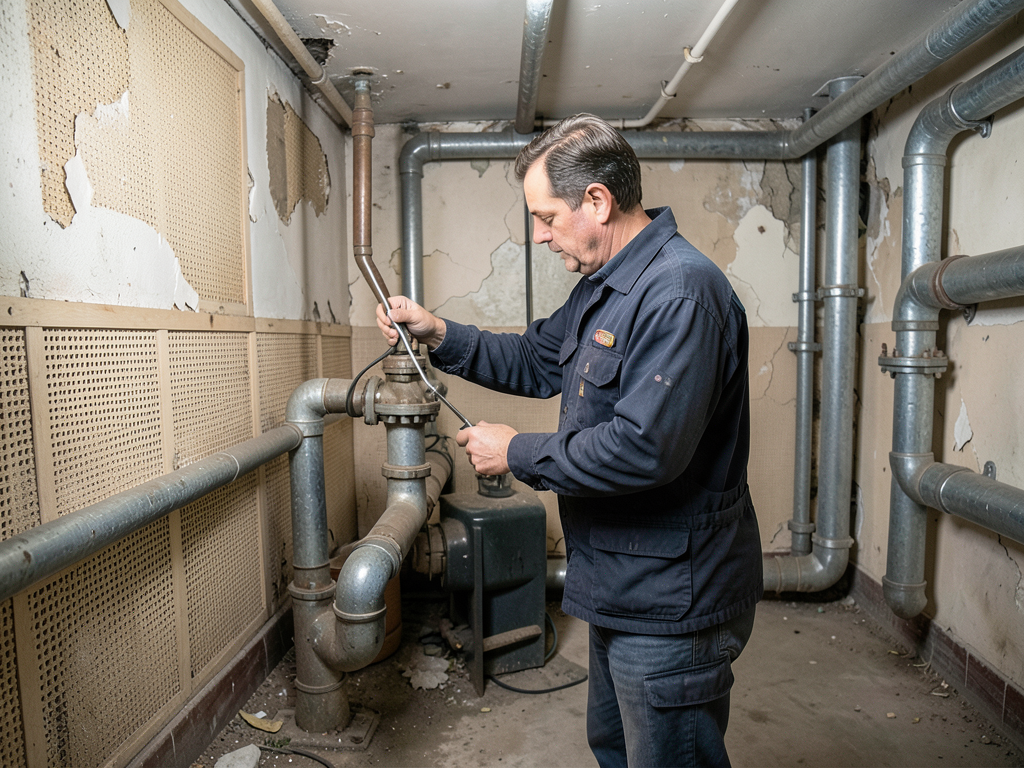
Diagram showing the typical plumbing layout in a 1920s Curtis Park bungalow with galvanized supply lines, cast iron drains, and clay sewer main.
Modern Solutions for Historic Plumbing Systems
Trenchless sewer repair technology allows replacing clay sewer lines without digging up mature landscaping. This process involves inserting a new pipe liner through the existing sewer line, creating a seamless replacement that preserves historic gardens and hardscaping.
Copper repiping through existing wall cavities prevents damage to lath-and-plaster walls common in Curtis Park homes. This technique requires careful mapping of original wall construction and precise cutting to maintain structural integrity.
PEX piping offers flexibility for routing through tight spaces in older homes. The material expands and contracts with temperature changes, reducing the risk of burst pipes in Sacramento’s temperature swings. Sacramento County building permits.
Vintage fixture restoration involves disassembling original hardware, replacing internal components, and reassembling with modern seals and washers. This approach maintains the authentic appearance while improving functionality and reliability.
Navigating Sacramento’s Historic Preservation Requirements
The City of Sacramento requires permits for plumbing work in historic districts, including Curtis Park. The Planning and Preservation Department reviews all exterior modifications to ensure they comply with historic preservation guidelines.
California Building Code Section 1001.13 requires seismic bracing for water heaters in all residential structures. This requirement applies to historic homes, though installation methods must minimize visual impact on original architecture.
Water heater replacements in historic homes must meet Title 24 energy efficiency standards while fitting into small original closets. Tankless water heaters often provide the best solution for maintaining period aesthetics while meeting modern efficiency requirements.
Backflow prevention devices are mandatory under Sacramento County Ordinance 13.08.110 for all residential properties. These devices must be installed in locations that don’t detract from historic architectural features.
Protecting Original Architectural Features During Repairs
Lath-and-plaster walls in Curtis Park homes require special handling during plumbing repairs. Standard drywall techniques can damage the horsehair plaster and wood lath that give these walls their unique character and sound-dampening properties.
Original hardwood floors throughout historic homes need protection from water damage during plumbing work. Water stains on oak or Douglas fir flooring can be permanent and require complete refinishing to repair.
Exposed pipes in vintage bathrooms and kitchens should be routed to minimize visual impact. Running new supply lines through interior walls rather than exterior walls maintains the authentic appearance of historic bathrooms.
Radiators and steam heating systems in older Curtis Park homes require careful isolation from new plumbing work. These systems often share wall cavities with plumbing, creating potential for cross-contamination and system failures.
Technician performing a moisture meter test on lath-and-plaster walls to locate hidden water damage before beginning repairs.
Cost Factors for Vintage Plumbing Repairs
Repair complexity increases significantly in historic homes due to limited access and fragile materials. Simple pipe replacements that take hours in modern homes may require days in Curtis Park bungalows.
Specialty parts for vintage fixtures often cost more than standard replacements. Original-style faucets, handles, and trim pieces must be sourced from specialty suppliers or custom fabricated to match existing hardware.
Permit fees for work in historic districts typically run higher than standard residential permits. The additional review process and documentation requirements add time and expense to plumbing projects.
Emergency repairs in historic homes often require temporary solutions to preserve original features while permanent repairs are planned. This approach prevents rushed decisions that could permanently damage irreplaceable architectural elements.
Case Study: Successful Vintage Plumbing Retrofit in Curtis Park
A 1928 Spanish Colonial Revival on 24th Street required complete plumbing replacement while preserving original Saltillo tile floors and hand-troweled plaster walls. The project involved removing all galvanized supply lines through interior wall cavities without disturbing exterior stucco.
The sewer line replacement used trenchless technology to avoid damaging mature olive trees planted in the 1930s. The new PVC liner restored full flow capacity while maintaining the original landscape design.
Vintage bathroom fixtures including a pedestal sink and clawfoot tub were disassembled, reconditioned with modern internal components, and reinstalled with period-appropriate fittings. The result maintained the authentic 1920s appearance while providing reliable modern function.
Preventing Future Plumbing Problems in Historic Homes
Regular plumbing inspections catch small problems before they cause major damage. Annual checks of supply lines, drains, and fixtures help identify corrosion, leaks, and wear patterns specific to vintage systems.
Water pressure monitoring prevents stress on aging pipes. High pressure accelerates corrosion in galvanized pipes and can cause joint failures in older cast iron systems.
Tree root management around sewer lines prevents the most common cause of backups in historic homes. Regular root cutting or chemical treatments extend the life of clay sewer pipes by preventing root intrusion.
Hard water treatment reduces mineral buildup in pipes and fixtures. Water softeners or scale inhibitors protect both vintage and modern plumbing components from Sacramento’s high mineral content.
Choosing the Right Plumber for Historic Home Repairs
Experience with vintage construction methods is essential for successful repairs in historic homes. Standard plumbing techniques often don’t work in older buildings with different framing, wall construction, and material standards.
Knowledge of local historic preservation requirements prevents permit violations and ensures work meets both modern code requirements and preservation guidelines. Contractors unfamiliar with these requirements can cause delays and additional expenses.
Insurance coverage for historic home work should include protection for accidental damage to irreplaceable features. Standard liability policies may not cover damage to original woodwork, tile, or plaster.
References from other Curtis Park homeowners provide insight into a contractor’s ability to handle vintage plumbing challenges. Successful projects in similar homes demonstrate relevant experience and problem-solving skills.
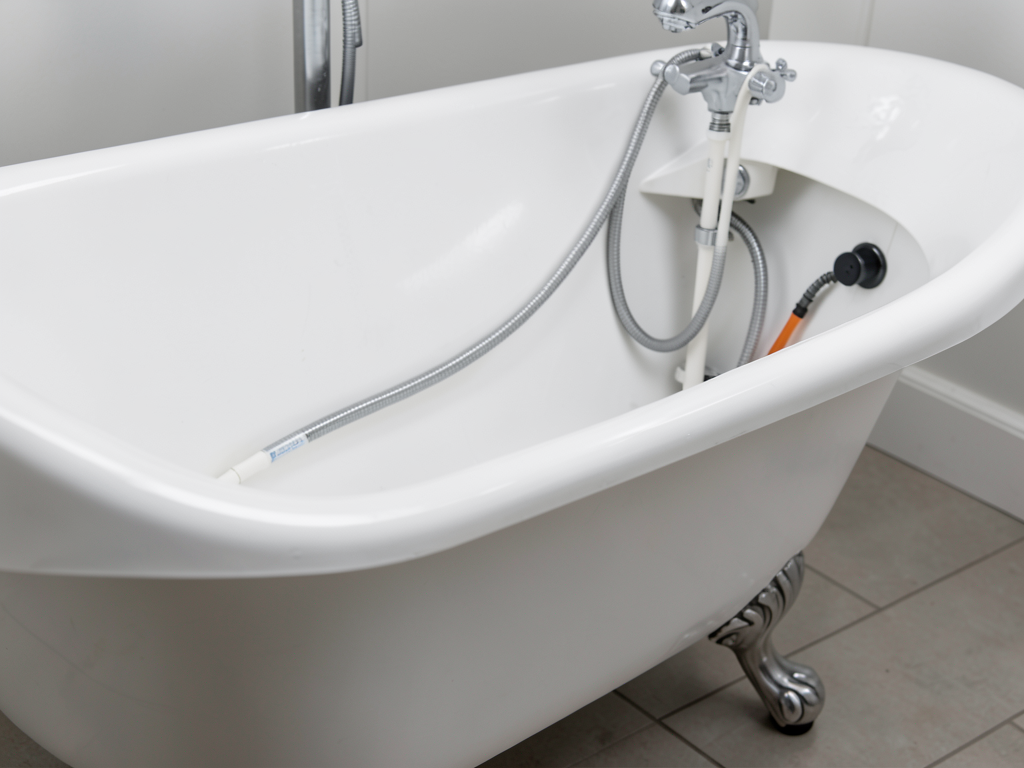
Before and after photos showing vintage bathroom fixture restoration with original appearance maintained while upgrading internal components.
Frequently Asked Questions
Can I replace just part of my old galvanized pipes?
Partial replacements often create more problems than they solve. Mixing old galvanized pipes with new copper creates galvanic corrosion, causing the new pipes to fail prematurely. Complete system replacement is usually more cost-effective long-term.
How do I know if my clay sewer line needs replacement?
Signs include frequent backups, slow drains throughout the house, and sewage odors in the yard. A video camera inspection can reveal cracks, root intrusion, and pipe separation that indicate the need for replacement.
Will new plumbing damage my historic wallpaper or paint?
Proper protection techniques prevent most damage, but some disturbance is often unavoidable. Professional plumbers working in historic homes use specialized dust containment and wall protection methods to minimize impact on original finishes.
Are tankless water heaters appropriate for historic homes?
Tankless units work well in historic homes, especially when closet space is limited. Modern units can be installed in existing water heater locations with proper venting, maintaining the original architectural footprint.
Schedule Your Historic Home Plumbing Assessment
Don’t let aging plumbing destroy the historic charm of your Curtis Park home. Our team specializes in vintage plumbing repairs that preserve original features while providing reliable modern function. We understand the unique challenges of working in historic districts and maintain all necessary permits and insurance for this specialized work.
Call (209) 260-0077 today to schedule your comprehensive plumbing assessment. We’ll identify potential problems, explain your options, and provide a detailed plan for upgrading your system without compromising your home’s historic character. Protect your investment and preserve the beauty that makes Curtis Park special.
Pick up the phone and call (209) 260-0077 before that next plumbing emergency turns into a restoration nightmare. Our experience with vintage homes means we can handle even the most challenging repairs while maintaining the architectural integrity you value.
{
“@context”: “https://schema.org”,
“@type”: “BlogPosting”,
“headline”: “Repairing Vintage Plumbing in Older Curtis Park Homes Without Ruining the Style”,
“description”: “Expert plumbing repair for Curtis Park’s historic homes. We preserve 1920s-1940s charm while upgrading old galvanized pipes, clay sewers, and vintage fixtures.”,
“wordCount”: 1545,
“datePublished”: “2026-02-22T09:27:00.000Z”,
“dateModified”: “2026-02-22T09:27:00.000Z”,
“inLanguage”: “en-US”,
“mainEntityOfPage”: {
“@type”: “WebPage”,
“@id”: “https://apexplumbingsacramento.com”
},
“publisher”: {
“@type”: “LocalBusiness”,
“name”: “Apex Plumbing Sacramento”,
“url”: “https://apexplumbingsacramento.com”
},
“author”: {
“@type”: “Organization”,
“name”: “Apex Plumbing Sacramento”,
“url”: “https://apexplumbingsacramento.com”
},
“image”: {
“@type”: “ImageObject”,
“url”: “https://apexplumbingsacramento.com/wp-content/uploads/2026/03/repairing-vintage-plumbing-in-older-curtis-park-ho-1.png”
}
}
{
“@context”: “https://schema.org”,
“@type”: “Plumber”,
“name”: “Apex Plumbing Sacramento”,
“url”: “https://apexplumbingsacramento.com”,
“address”: {
“@type”: “PostalAddress”,
“addressLocality”: “Sacramento”
},
“areaServed”: {
“@type”: “City”,
“name”: “Sacramento”
}
}
{
“@context”: “https://schema.org”,
“@type”: “FAQPage”,
“mainEntity”: [
{
“@type”: “Question”,
“name”: “Can I replace just part of my old galvanized pipes?”,
“acceptedAnswer”: {
“@type”: “Answer”,
“text”: “Partial replacements often create more problems than they solve. Mixing old galvanized pipes with new copper creates galvanic corrosion, causing the new pipes to fail prematurely. Complete system replacement is usually more cost-effective long-term.”
}
},
{
“@type”: “Question”,
“name”: “How do I know if my clay sewer line needs replacement?”,
“acceptedAnswer”: {
“@type”: “Answer”,
“text”: “Signs include frequent backups, slow drains throughout the house, and sewage odors in the yard. A video camera inspection can reveal cracks, root intrusion, and pipe separation that indicate the need for replacement.”
}
},
{
“@type”: “Question”,
“name”: “Will new plumbing damage my historic wallpaper or paint?”,
“acceptedAnswer”: {
“@type”: “Answer”,
“text”: “Proper protection techniques prevent most damage, but some disturbance is often unavoidable. Professional plumbers working in historic homes use specialized dust containment and wall protection methods to minimize impact on original finishes.”
}
},
{
“@type”: “Question”,
“name”: “Are tankless water heaters appropriate for historic homes?”,
“acceptedAnswer”: {
“@type”: “Answer”,
“text”: “Tankless units work well in historic homes, especially when closet space is limited. Modern units can be installed in existing water heater locations with proper venting, maintaining the original architectural footprint.”
}
}
]
}
{
“@context”: “https://schema.org”,
“@type”: “BreadcrumbList”,
“itemListElement”: [
{
“@type”: “ListItem”,
“position”: 1,
“name”: “Home”,
“item”: “https://apexplumbingsacramento.com”
},
{
“@type”: “ListItem”,
“position”: 2,
“name”: “Blog”,
“item”: “https://apexplumbingsacramento.com/blog”
},
{
“@type”: “ListItem”,
“position”: 3,
“name”: “Repairing Vintage Plumbing in Older Curtis Park Homes Without Ruining the Style”
}
]
}
{
“@context”: “https://schema.org”,
“@type”: “Service”,
“serviceType”: “Plumbing”,
“provider”: {
“@type”: “LocalBusiness”,
“name”: “Apex Plumbing Sacramento”,
“url”: “https://apexplumbingsacramento.com”
},
“areaServed”: {
“@type”: “City”,
“name”: “Sacramento”
},
“description”: “Expert plumbing repair for Curtis Park’s historic homes. We preserve 1920s-1940s charm while upgrading old galvanized pipes, clay sewers, and vintage fixtures.”
}