




menu

Sediment Buildup in Pipes in Sacramento – Get Permanent Solutions That Restore Full Water Pressure

Our targeted pipe descaling and flushing services eliminate years of mineral deposits and calcium buildup caused by Sacramento's moderately hard water, restoring flow capacity and extending the life of your plumbing system.

Slider Image 1
Slider Image 2
Slider Image 3
Slider Image 4
Slider Image 5
Slider Image 7
Slider Image 8
Slider Image 9
Slider Image 10
Slider Image 11

Why Sacramento Homes Struggle with Sediment and Mineral Deposits

You turn on the faucet and the water trickles out. The shower pressure barely reaches past your shoulders. Your water heater makes popping sounds like someone is hammering inside the tank.

This is sediment buildup in pipes, and it is common in Sacramento homes.

Sacramento's municipal water supply has a moderate hardness rating, typically ranging between 80 and 120 milligrams per liter of calcium carbonate. That might not sound high compared to regions with extreme hard water, but over years of constant flow, those dissolved minerals accumulate inside your pipes.

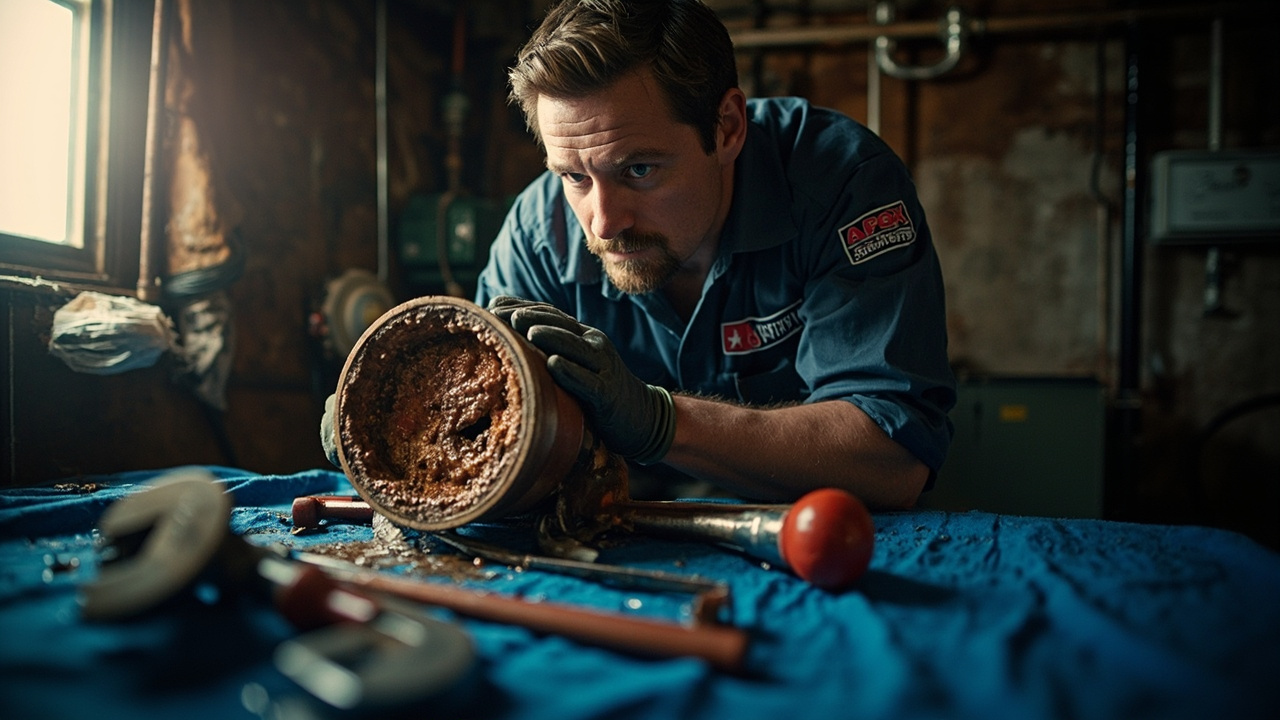
Calcium buildup in water lines starts as a microscopic layer. Over time, limescale accumulation in plumbing creates a thick, rock-hard coating that narrows the interior diameter of galvanized steel pipes, copper lines, and even PEX tubing at connection points. The result is reduced water pressure, uneven heating, and premature failure of water heaters and fixtures.

Hard water pipe scaling does not just slow your water down. It creates an abrasive surface inside the pipe that traps sediment, rust particles, and biofilm. This accelerates corrosion and creates pockets where bacteria can colonize.

Homes built before 1980 in neighborhoods like Land Park, Curtis Park, and East Sacramento are especially vulnerable. Galvanized steel pipes were standard in that era, and they corrode from the inside out when mineral deposits in water pipes create an electrochemical reaction with the zinc coating.

If you have noticed declining water pressure, discolored water, or strange noises from your water heater, you are likely dealing with pipe calcification problems that will only worsen without intervention.

Why Sacramento Homes Struggle with Sediment and Mineral Deposits
How We Remove Sediment and Restore Your Plumbing System

How We Remove Sediment and Restore Your Plumbing System

We do not guess. We start with a video camera inspection to map the interior condition of your pipes. This shows us exactly where the calcium buildup in water lines is most severe, whether you have partial blockages, and if the pipe structure itself is compromised.

For moderate limescale accumulation in plumbing, we use hydro jetting. This is not a simple garden hose. Our hydro jetting equipment delivers water at 3,000 to 4,000 PSI through a specialized nozzle that scrubs the interior walls of the pipe. The backward-facing jets propel the hose forward while the forward-facing jets break apart mineral deposits and flush them out through the sewer line.

Hydro jetting is effective for PVC, ABS, and cast iron drain lines. For pressurized supply lines made of copper or galvanized steel, we use a combination of mechanical descaling and chemical dissolution when safe and appropriate.

When hard water pipe scaling is severe and the pipe walls have thinned due to corrosion, hydro jetting alone will not solve the problem. In these cases, we recommend targeted pipe replacement using PEX or copper. We isolate the affected section, cut it out, and install new piping without tearing up your entire home.

We also address the root cause. If your water hardness is creating recurring pipe calcification problems, we discuss whole-home water softening or filtration systems. A water softener uses ion exchange resin to remove calcium and magnesium before they enter your pipes. This stops future buildup and protects your water heater, dishwasher, and washing machine.

Every job ends with a pressure test and a follow-up camera inspection to confirm the pipes are clean and flowing at full capacity.

What Happens During a Pipe Descaling Service

Sediment Buildup in Pipes in Sacramento – Get Permanent Solutions That Restore Full Water Pressure
01

Camera Inspection and Diagnosis

We insert a high-definition camera line through your cleanout or access point to visually inspect the interior of your pipes. This shows us the extent of sediment buildup, the pipe material, and whether there are cracks, root intrusion, or corrosion. The video footage gives us a clear picture of what cleaning method will work and whether any sections need replacement.
02

Hydro Jetting or Descaling

We use hydro jetting equipment to blast away mineral deposits and sediment from the pipe walls. The high-pressure water stream removes years of calcium buildup and flushes it out through your sewer connection. For supply lines, we use mechanical descaling tools or safe chemical treatments to dissolve limescale without damaging the pipe material. This step restores full flow capacity.
03

Pressure Test and Verification

After cleaning, we run a pressure test to confirm your system is holding pressure correctly and flowing at the expected rate. We conduct a second camera inspection to verify the pipes are clean and free of remaining debris. You get before-and-after video documentation so you can see the difference. We also discuss prevention strategies to keep your pipes clear long term.

Why Sacramento Homeowners Choose Apex Plumbing Sacramento for Pipe Cleaning

Sacramento plumbing systems are a mix of old and new. Homes in Midtown and East Sacramento often have original galvanized steel pipes from the 1940s and 1950s. Newer developments in Natomas and Elk Grove use PEX and copper. Each material requires a different approach to sediment removal.

We have worked on every type of residential plumbing system in the greater Sacramento metro. We know which pipes can handle hydro jetting and which ones are too fragile. We know when to descale and when to replace. That knowledge prevents disasters.

A national chain or an inexperienced plumber might hydro jet a corroded galvanized pipe and cause a rupture. We avoid that by using camera diagnostics first and adjusting our methods based on what we see.

We also understand Sacramento's water quality. The city pulls water from the Sacramento River and American River, treats it, and distributes it through a network that varies in age and condition. Some neighborhoods have harder water than others. Some have more sediment due to aging infrastructure. We factor that into our recommendations.

When we clean your pipes, we are not just flushing out debris. We are extending the life of your plumbing system and preventing future failures. That saves you money and protects your home from water damage.

You also get straight answers. If your pipes are too far gone and descaling will not help, we tell you. We show you the camera footage and explain your options. We do not upsell. We do not push services you do not need. We give you the information and let you decide.

Apex Plumbing Sacramento has served residential and commercial clients throughout Sacramento County. We have the equipment, the training, and the local knowledge to handle sediment buildup in pipes correctly.

What You Can Expect When You Call Us for Pipe Descaling

Fast Scheduling and Quick Turnaround

Most pipe cleaning jobs are completed in one day. We schedule camera inspections within 24 to 48 hours of your call. If the diagnosis confirms that hydro jetting or descaling will solve the problem, we can often perform the work the same day. For larger projects or jobs that require pipe replacement, we provide a clear timeline upfront. You will know when we are starting and when we will be finished.

Thorough Camera Inspection Before Any Work

We do not start cleaning until we know exactly what we are dealing with. Our camera inspection gives us a detailed view of your pipe condition, sediment thickness, and any structural issues. You get to watch the footage with us and see what we see. This eliminates surprises and ensures we use the right method for your specific situation. The inspection also documents the problem for insurance purposes if needed.

Clean Pipes and Restored Water Pressure

After we finish, your water pressure returns to normal. Faucets flow freely. Showers regain full force. Your water heater stops making noise because the sediment that was causing the rumbling is gone. We verify the results with a second camera inspection and a pressure test. You see the before-and-after comparison and know the job was done right. Your plumbing system functions the way it should.

Prevention Guidance and Maintenance Options

We do not just fix the immediate problem. We help you prevent it from coming back. If your water hardness is causing recurring buildup, we discuss water softener installation. If sediment is entering your system from the municipal supply, we recommend whole-home filtration. We also offer annual maintenance inspections to catch buildup early before it affects your water pressure or damages your pipes. Prevention is always cheaper than emergency repairs.

Frequently Asked Questions

You Have Questions,
We Have Answers

How do you flush sediment out of pipes? +

You flush sediment from pipes by opening multiple faucets and running cold water at full pressure for 15 to 20 minutes. Start with the faucet closest to your water heater and move outward. For stubborn buildup, professionals use hydro jetting, which blasts high-pressure water through your lines to scour away deposits. In Sacramento, hard water from the American River watershed accelerates sediment accumulation, especially in galvanized and copper pipes. If flushing does not clear the issue, a plumber can inspect with a camera to locate heavy buildup spots and recommend targeted descaling or pipe replacement.

What causes sediment in water pipes? +

Sediment in water pipes comes from mineral deposits, rust, and debris. Sacramento's hard water contains high calcium and magnesium levels that stick to pipe walls over time. Corroded galvanized pipes shed iron oxide flakes. Municipal water mains can stir up sediment during repairs or pressure changes. If you have well water in outlying Sacramento County areas, sand and silt enter your system without proper filtration. Older homes built before 1980 face greater sediment issues because galvanized steel was standard. Water heaters also collect sediment at the bottom of the tank, which travels through your hot water lines and clogs fixtures.

How long does it take to run water to get sediment out? +

Run water for 15 to 30 minutes to flush out loose sediment after a water main break or new water heater installation. Open cold water taps at full flow, starting with the lowest fixture in your home. If you see cloudy or discolored water, let it run until it clears completely. For sediment stirred up by Sacramento water system maintenance, most homes clear within 20 minutes. Persistent sediment means buildup inside your pipes or water heater. You may need a plumber to flush your water heater tank or descale your pipes if running water does not solve the problem.

Is it okay to pour boiling water down drains in the house to clean them? +

Boiling water is safe for metal drain pipes but risky for PVC and older fixtures. Pouring boiling water down a drain can melt PVC joints or crack porcelain sinks. It also does not effectively remove grease buildup or sediment clogs. In Sacramento homes with mixed plumbing materials, you risk damaging connections between old galvanized pipes and newer PVC. Instead, use hot tap water combined with a drain snake or enzymatic cleaner. For stubborn clogs caused by sediment or scale, a plumber can hydro jet your drain lines without risking thermal damage to your plumbing system.

How do plumbers descale pipes? +

Plumbers descale pipes using hydro jetting or chemical descaling solutions. Hydro jetting sends high-pressure water through your lines to strip away calcium, rust, and mineral deposits. For severe buildup in Sacramento homes with decades-old galvanized pipes, plumbers may use acidic descaling agents that dissolve scale without damaging metal. A camera inspection identifies the worst sections before treatment. In extreme cases where pipes are too corroded or narrowed, replacement becomes necessary. Descaling restores water pressure and extends pipe life, but it requires professional equipment. DIY chemical descalers sold in stores rarely work on heavy sediment accumulation inside supply lines.

Is it okay to pour boiling water down PVC pipes? +

Boiling water can damage PVC pipes. PVC softens at 140 degrees Fahrenheit and can warp or separate at joints when exposed to boiling water at 212 degrees. Many Sacramento homes built after 1970 use PVC for drain lines. Even if your visible pipes are metal, hidden PVC sections may exist. Repeated boiling water pours weaken joints and cause leaks inside walls. Use hot tap water instead, which stays below 120 degrees and will not harm PVC. For clogs, a drain snake or enzymatic cleaner works better. If you have stubborn sediment or grease buildup, call a plumber for hydro jetting.

What are two things you should never flush down a toilet? +

Never flush wipes or feminine hygiene products down a toilet. Wipes do not break down like toilet paper, even if labeled flushable. They snag on sediment buildup and pipe joints, creating massive clogs in Sacramento sewer laterals. Tampons and pads absorb water and expand, blocking pipes and causing backups. These items require expensive hydro jetting or sewer camera inspections to remove. Stick to flushing only human waste and toilet paper. Everything else belongs in the trash. Sacramento's aging sewer infrastructure cannot handle non-biodegradable materials, and blockages often damage your home's connection to the main line.

How do I get rid of calcium build up in my pipes? +

Remove calcium buildup with hydro jetting or chemical descaling. For accessible fixtures, soak aerators and showerheads in white vinegar overnight to dissolve surface deposits. For buildup inside pipes, professionals use hydro jetting to blast away scale. Sacramento's hard water causes stubborn calcium accumulation, especially in water heaters and hot water lines. A plumber may recommend an acid-based descaling treatment for severe cases or install a water softener to prevent future buildup. If pipes are heavily calcified and restricting flow, replacement may be more cost-effective than repeated descaling. Regular water heater flushing reduces calcium sediment before it spreads through your system.

How much does it cost to clear a blockage? +

Clearing a blockage costs between $150 and $500, depending on severity and location. A simple sink or toilet clog runs $150 to $250. Main line blockages requiring hydro jetting or sewer camera inspection cost $300 to $500. In Sacramento, tree roots and sediment buildup in older sewer laterals increase complexity and cost. Emergency after-hours service adds $100 to $200. Prices vary based on access points and time required. If your blockage involves excavation or pipe repair, costs jump to $1,000 or more. Get a clear quote before work begins and ask about camera inspections to diagnose the root cause.

How much does a plumber charge to flush it? +

A plumber charges $150 to $350 to flush a water heater or drain line. Basic water heater flushing to remove sediment takes 30 to 60 minutes and costs $150 to $200. Hydro jetting to flush main lines or remove stubborn buildup runs $250 to $500. Sacramento's hard water means water heaters need annual flushing to prevent sediment damage. Prices increase if your access valve is corroded or if sediment has hardened into a solid mass. Some plumbers include flushing as part of a maintenance plan. Emergency service adds $100 or more. Always ask for a written estimate before authorizing work.

How Sacramento's Aging Water Infrastructure Contributes to Sediment Problems

Sacramento's water distribution system includes pipes that are decades old. Older cast iron and galvanized steel mains corrode over time, releasing rust and sediment into the water supply. When the city performs main line repairs or flushes hydrants, this sediment gets stirred up and flows into your home. It settles in water heaters, clogs aerators, and combines with calcium buildup in water lines to create thick, abrasive deposits. This is especially common in older neighborhoods where the municipal infrastructure has not been fully updated.

Local plumbers who understand Sacramento's water system know how to identify sediment sources and address them effectively. We work with the city's water quality reports and understand which areas have higher mineral content or sediment issues. We also stay current with local plumbing codes and best practices for pipe replacement and water treatment. Choosing a local plumber means you get someone who knows your specific water conditions and can recommend solutions that work long term, not just temporary fixes.
Plumbing Services in The Sacramento Area

Apex Plumbing Sacramento is proud to be a locally owned and operated business centrally located to efficiently serve the entire Sacramento region and its surrounding communities. Our strategic position ensures that we can quickly dispatch a professional technician to your home or business, especially during a plumbing emergency. Use the map below to visualize our service area or to find directions to our main office for consultations.

Address:
Apex Plumbing Sacramento, 930 G St, Sacramento, CA, 95814

Additional Services We Offer

Our news updates

Latest Articles & News from The Blogs

Gas vs Electric Tank Water Heaters — Which is More Cost-Effective in Roseville? Roseville homeowners face a unique decision when…

Gas vs Electric Tank Water Heaters — Which is More Cost-Effective in Roseville?

Gas vs Electric Tank Water Heaters — Which is More Cost-Effective in Roseville? Roseville homeowners face a unique decision when…

How Long Does a Whole Home Repipe Actually Take in an Older Land Park House?

How Long Does a Whole Home Repipe Actually Take in an Older Land Park House? Most Land Park homeowners facing…

Legal Rainwater Harvesting for Sacramento Gardeners (What You Can and Cannot Do)

Legal Rainwater Harvesting for Sacramento Gardeners (What You Can and Cannot Do) California's water laws have changed dramatically in recent…

Contact Us

Call Apex Plumbing Sacramento at (209) 260-0077 to schedule a camera inspection and get your water pressure back. We will show you exactly what is happening inside your pipes and provide a solution that works.