




menu

Wet Spots in Yard in Sacramento – Expert Underground Leak Detection That Stops Water Waste Fast

When you see wet spots in your yard, you're looking at water damage happening right now. Our team uses advanced leak detection to pinpoint underground pipe breaks in Sacramento's shifting clay soil before they destroy your foundation or spike your water bill.

Slider Image 1
Slider Image 2
Slider Image 3
Slider Image 4
Slider Image 5
Slider Image 7
Slider Image 8
Slider Image 9
Slider Image 10
Slider Image 11

Why Sacramento Yards Stay Wet When They Shouldn't

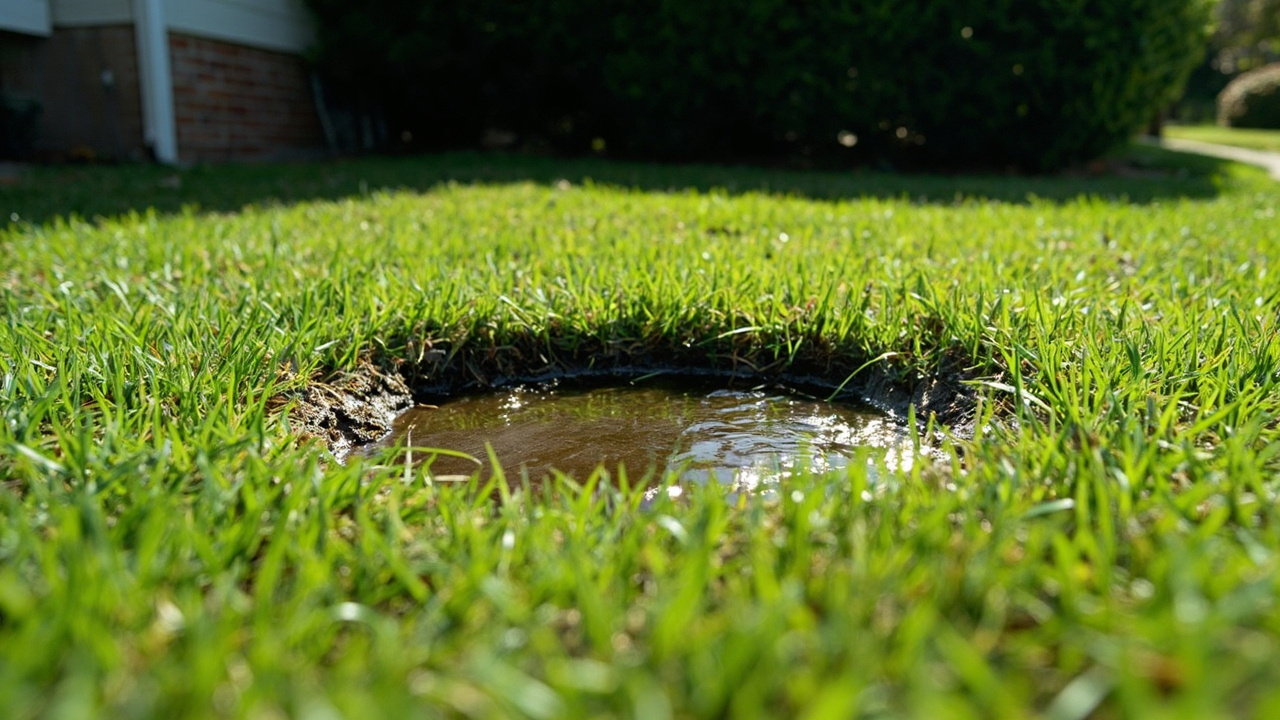
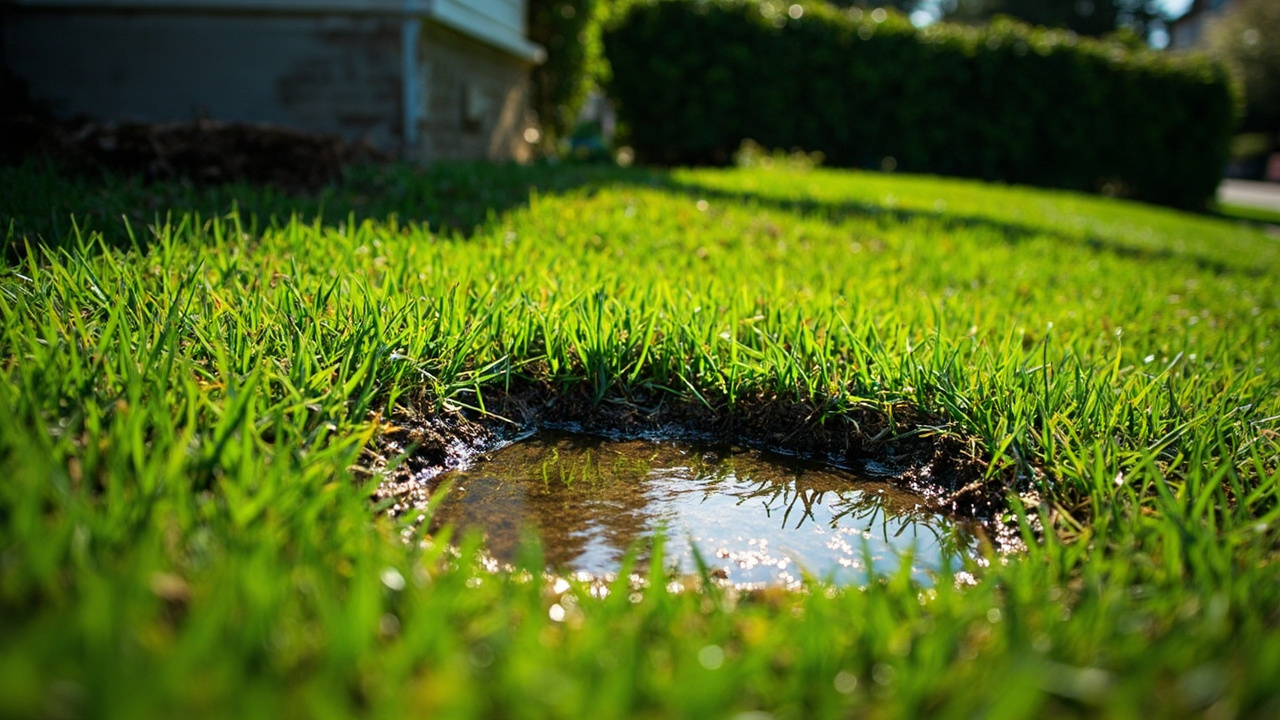
You walk outside and notice soggy patches in lawn areas that should be dry. The weather's been clear for days, but unexplained standing water keeps appearing in the same spots. You shut off your sprinklers, yet the pooling water in yard refuses to drain.

Sacramento's expansive clay soil makes this problem worse. When underground pipes break, water seeps up slowly through dense clay layers. You might see saturated areas in grass for weeks before realizing the damage happening below. The clay holds moisture like a sponge, masking the true severity of the leak.

Underground pipe failures happen here for specific reasons. Sacramento's soil shifts dramatically between wet winters and bone-dry summers. Pipes installed 20 to 40 years ago flex and crack under this stress. Tree roots from the valley oaks and Chinese pistache trees common in older neighborhoods seek out water lines. Once roots penetrate a joint or crack, water escapes under pressure.

Many homeowners assume damp spots in lawn mean sprinkler problems. They call landscapers who find nothing wrong with the irrigation system. The real issue sits deeper. A fractured main line or sewer lateral can pump hundreds of gallons into your soil daily. You don't see the volume because clay soil absorbs it slowly, releasing it gradually to the surface.

Time matters. Every day you wait, more water saturates the ground near your foundation. Clay soil expands when wet, creating pressure against concrete. Foundation cracks develop. Your water bill climbs. What starts as a curiosity becomes a structural threat.

Why Sacramento Yards Stay Wet When They Shouldn't
How We Find and Stop Underground Leaks Without Destroying Your Yard

How We Find and Stop Underground Leaks Without Destroying Your Yard

Most companies guess. They dig trenches based on where water appears at the surface. This wastes your time and tears up landscaping unnecessarily. Water travels through soil, so surface wetness rarely sits directly above the leak source.

We use electronic leak detection equipment calibrated for Sacramento's soil conditions. Our ground microphones listen for the distinct sound signature of pressurized water escaping underground pipes. Clay soil transmits these sounds differently than sand or loam. We adjust sensitivity and frequency filters to account for this.

Thermal imaging cameras map temperature differentials in your yard. Leaking water creates cooler zones underground. We scan the entire suspect area, marking thermal anomalies that indicate moisture accumulation. Cross-referencing acoustic data with thermal mapping gives us a target zone typically within two feet of the actual break.

For sewer laterals, we deploy pipe cameras through cleanout access points. High-resolution video shows us cracks, root intrusion, or collapsed sections. We record the footage, measure the exact distance from the cleanout to the defect, and mark the surface location before any digging starts.

Once we confirm the leak location, we excavate only the necessary area. Sacramento permits require proper shoring for trenches deeper than four feet. We follow Cal-OSHA trench safety regulations, using trench boxes or sloped excavations depending on depth and soil stability.

Repairs use materials appropriate for local conditions. We replace failed sections with SDR-35 PVC for sewer lines or Type K copper for water mains. All connections meet current Uniform Plumbing Code standards. We pressure-test water lines to 150 PSI and conduct mandrel tests on sewer repairs to verify proper diameter and alignment.

What Happens When You Call About Wet Spots

Wet Spots in Yard in Sacramento – Expert Underground Leak Detection That Stops Water Waste Fast
01

Initial Assessment and Testing

We start with your water meter. Shutting off all fixtures and appliances, we watch for meter movement that confirms active leakage. A spinning meter with zero water use proves the problem sits on your side of the meter. We map your property's plumbing layout, identify valve locations, and isolate sections to narrow the search area before deploying detection equipment.
02

Precision Leak Location

Our technicians sweep the suspected area with acoustic sensors and thermal cameras. We mark positive readings with pin flags, then verify findings from multiple angles. For deep lines, we may inject tracer gas through existing access points. The gas rises through soil faster than water, pinpointing breaks in pipes buried six feet down. You see exactly where we'll dig before any excavation begins.
03

Repair and Verification

After exposing the damaged section, we photograph the failure for your records and insurance documentation. Repairs use code-compliant materials and proper joining methods. We backfill with engineered fill, compacting in lifts to prevent future settling. Before leaving, we run a final pressure test or camera inspection to confirm the repair holds. You get written documentation of all work performed and materials used.

Why Sacramento Property Owners Choose Apex Plumbing Sacramento for Underground Leak Detection

Underground leaks require equipment most plumbers don't own. We've invested in professional-grade acoustic detection systems, thermal imaging cameras, and pipe inspection equipment because guessing costs you money. When your yard shows persistent wet areas, surface clues mislead more often than they help.

Sacramento's older neighborhoods, particularly areas around Land Park, Curtis Park, and East Sacramento, have plumbing infrastructure installed between 1940 and 1980. Galvanized steel pipes corrode from the inside out. Cast iron sewer lines develop cracks at joints. These materials fail predictably after 50 to 70 years. We see the patterns daily.

Local soil conditions demand local expertise. The clay content in Sacramento soil varies by neighborhood. Areas near the American River have sandy loam topsoil over clay hardpan. Pocket and Greenhaven neighborhoods sit on deeper clay deposits. This affects how water migrates underground and where it surfaces. A plumber from outside the region won't understand these drainage patterns.

We know Sacramento's permit requirements. Any water main repair requires notification to the city. Sewer lateral work within five feet of the property line needs inspection. We handle the paperwork, schedule inspections, and ensure compliance with Sacramento County Environmental Management Department standards. You don't chase permits or worry about failed inspections.

Response time matters when water flows continuously. We dispatch trucks equipped with detection gear, not basic service vehicles that need to return to the shop for specialized equipment. Our technicians carry thermal cameras and acoustic sensors on every call. You get diagnosis and repair in one visit when possible.

Property value takes a hit when foundation damage develops from prolonged underground leaks. We've seen homes with $30,000 in foundation repair bills because wet soil conditions went unaddressed for years. Early intervention stops this progression.

What You Get When We Handle Your Underground Leak

Same-Day Detection Service

We schedule leak detection appointments within 24 hours of your call. Most investigations take two to four hours depending on property size and pipe configuration. You get a written report with photos showing the exact leak location, depth, and recommended repair approach. If we find the problem, we can often complete repairs the same day. No waiting weeks while water continues damaging your property. Weekend and evening appointments available for urgent situations.

Comprehensive Property Evaluation

Underground leaks rarely exist in isolation. While investigating your wet spots, we inspect your entire water service line from the meter to the house and check sewer lateral condition from the foundation to the property line. Tree root intrusion often affects multiple pipe sections. Soil settlement can crack lines in several locations. You get a complete assessment, not just a fix for the obvious problem. We document pipe age, material type, and condition so you can plan for future needs.

Minimal Landscape Disruption

Precision leak detection means targeted excavation. We dig trenches 18 to 36 inches wide in most cases, not the four-foot-wide exploratory trenches required when guessing. Sod and topsoil get set aside separately for proper restoration. After repairs, we compact backfill properly to prevent future settling. Your landscaping recovers within weeks, not months. For leaks under driveways or hardscaping, we can sometimes use trenchless pipe repair methods that eliminate large-scale demolition and reconstruction costs.

Documentation and Long-Term Peace of Mind

Every repair includes detailed documentation. You receive photos of the damaged pipe section, repair process images, and final inspection results. We provide material receipts showing code-compliant parts were used. This documentation proves valuable for insurance claims, property sales, and future service records. Our repairs come with clear warranty information in writing. We mark underground pipe locations at the surface before leaving, so future work avoids accidental damage. You get added to our maintenance reminder system for periodic checks of aging infrastructure.

Frequently Asked Questions

You Have Questions,
We Have Answers

Why is there a sudden wet spot in my yard? +

A sudden wet spot signals a broken underground pipe, failed irrigation line, or sewer leak. Sacramento's clay soil shifts with temperature changes, which can crack aging pipes beneath your lawn. You might notice higher water bills, grass growing faster in one area, or a spongy feel underfoot. Check your water meter when no water is running. If it moves, you have a leak. Tree roots commonly invade sewer laterals in older Sacramento neighborhoods, causing persistent moisture. Do not ignore this. Underground leaks waste thousands of gallons and can destabilize your foundation.

How to fix wet spots in yard? +

First, identify the source. Turn off all water and check if the wet spot dries. If not, you likely have a mainline or sewer issue requiring professional detection. For broken irrigation, repair or replace damaged lateral lines and valves. Sacramento's hardpan clay prevents drainage, so you may need to regrade the area and add soil amendments. French drains work well for persistent moisture problems. If a pipe broke underground, excavation and replacement are necessary. Do not attempt DIY repairs on pressurized water lines. Call a licensed plumber to camera-inspect lines and pinpoint the failure.

Why is part of my lawn always wet? +

Persistent wet areas point to poor drainage, underground leaks, or high water tables. Sacramento's expansive clay soil holds moisture and prevents percolation. Older homes near the American River or areas with historic irrigation ditches often have shallow groundwater. A leaking irrigation valve, broken mainline, or failed sewer lateral can also keep soil saturated. Check for rust-colored water, foul odors, or increased water bills. Tree roots from mature oaks and elms often puncture sewer lines, creating constant seepage. A plumber can run a camera inspection to rule out pipe damage.

How to fix a muddy spot in yard? +

Stop watering the area and let it dry partially. Remove standing water with a pump if needed. Sacramento's clay soil compacts easily, so aerate the muddy zone with a garden fork or mechanical aerator. Mix in coarse sand and compost to improve drainage. Regrade the area to slope away from structures. If a broken pipe caused the mud, repair it first. Install a shallow catch basin or French drain to redirect surface water. For severe cases, consider installing perforated drain pipe wrapped in gravel. Reseed or resod once the soil stabilizes.

How to detect water leaks in a yard? +

Check your water meter before bed, then again in the morning without using water. Movement indicates a leak. Walk your property looking for soggy areas, greener grass patches, or ground settling. Listen for hissing sounds near the meter or main shutoff. Sacramento plumbers use electronic acoustic detectors to pinpoint underground leaks without digging. Infrared cameras can detect temperature changes in soil caused by leaking water. Pressure testing isolates leaks in specific zones. For sewer lines, video camera inspection identifies cracks, root intrusion, or collapsed sections. Early detection prevents foundation damage and saves water.

Does homeowners insurance cover main water line leak? +

Most standard homeowners policies exclude coverage for the mainline between your meter and house. They consider this normal wear and maintenance. However, if a covered peril like an earthquake caused the break, you may have coverage. Some insurers offer optional water line endorsements for around fifty dollars yearly. These typically cover repair costs but not exploratory digging. Sacramento homeowners should review their policy declarations page and ask about service line coverage riders. If a leak damages your foundation or interior, that secondary damage may be covered under your dwelling protection.

What causes wet spots in the yard? +

Underground pipe leaks are the most common cause in Sacramento. Aging galvanized lines, shifting clay soil, and tree root intrusion crack water mains and sewer laterals. Broken irrigation valves or damaged sprinkler lines create localized saturation. Poor grading and compacted clay prevent drainage, causing rainwater to pool. Sewer line backups can saturate soil with wastewater. Homes near natural drainages or historic creek beds experience seasonal groundwater seepage. Failed French drains or clogged downspout lines redirect water into your yard. A sudden wet spot needs immediate investigation to prevent structural damage and water waste.

Why is there a wet spot in my backyard? +

Backyard wet spots often stem from irrigation problems or broken sewer laterals. Sacramento's older neighborhoods have clay sewer pipes vulnerable to root intrusion from mature landscaping. Check for foul odors, which signal sewage. Broken sprinkler lateral lines or stuck valves keep zones running after cycles end. Poor drainage from neighboring properties can sheet-flow into your yard. If the wet spot appeared suddenly, a mainline break is possible. Homes built before 1980 may have outdated piping materials failing underground. Run your irrigation system and watch for geysers or soggy zones. Call a plumber for camera inspection if you suspect pipe damage.

How to handle a wet spot in yard? +

Stop irrigating the area immediately. Document the wet spot with photos and note when it appeared. Check your water bill for unusual spikes. Test your meter for leaks by shutting off all water and watching for movement. If the spot dries quickly, you may have drainage issues fixable with regrading. If it stays wet, you likely have a broken pipe. Contact a licensed Sacramento plumber to perform leak detection using acoustic equipment or pressure testing. Do not dig randomly. Underground utilities require professional locating. Address leaks quickly to prevent foundation settling, mold growth, and wasted water.

How do I fix a swampy area in my yard? +

Swampy areas need drainage solutions. Sacramento's clay hardpan prevents water absorption, so you must redirect it. Install a French drain with perforated pipe surrounded by gravel, sloping away from structures. Dig a shallow swale to channel water toward storm drains or drainage easements. Amend soil with compost and coarse sand to improve permeability. Raise planting beds above the saturated zone. If a broken pipe caused the swamp, repair it first. Consider installing a dry well to collect runoff. Regrade to create positive drainage. Plant water-tolerant species if the area stays damp seasonally.

How Sacramento's Clay Soil and Aging Infrastructure Create Hidden Water Line Failures

Sacramento sits on expansive clay soil that swells dramatically during wet winters and shrinks during summer droughts. This seasonal movement stresses underground pipes, particularly at joints and connection points. Pipes installed before 1980 lack the flexible joints used in modern construction. Each wet-dry cycle flexes rigid connections slightly. After 40 years, these micro-movements create cracks. Water escapes under constant pressure, saturating surrounding clay. The soil's low permeability means water can't drain quickly, creating persistent soggy patches in lawns that last weeks after a pipe fails. Many Sacramento neighborhoods have galvanized steel water mains original to 1950s construction. These corrode from inside, eventually developing pinhole leaks that pump water into your yard 24 hours daily.

Sacramento requires licensed contractors for all underground utility work. Our technicians maintain C-36 plumbing licenses and complete continuing education on current Uniform Plumbing Code requirements. We pull proper permits for water main repairs and coordinate required inspections with city officials. Local utility companies require notification before excavation near gas or electric lines. We handle all Underground Service Alert requests and wait for utility marking before digging. This protects you from liability if another utility line gets damaged during excavation. Insurance companies increasingly require documentation proving proper permits and inspections were completed before covering leak-related damage claims.
Plumbing Services in The Sacramento Area

Apex Plumbing Sacramento is proud to be a locally owned and operated business centrally located to efficiently serve the entire Sacramento region and its surrounding communities. Our strategic position ensures that we can quickly dispatch a professional technician to your home or business, especially during a plumbing emergency. Use the map below to visualize our service area or to find directions to our main office for consultations.

Address:
Apex Plumbing Sacramento, 930 G St, Sacramento, CA, 95814

Additional Services We Offer

Our news updates

Latest Articles & News from The Blogs

Gas vs Electric Tank Water Heaters — Which is More Cost-Effective in Roseville? Roseville homeowners face a unique decision when…

Gas vs Electric Tank Water Heaters — Which is More Cost-Effective in Roseville?

Gas vs Electric Tank Water Heaters — Which is More Cost-Effective in Roseville? Roseville homeowners face a unique decision when…

How Long Does a Whole Home Repipe Actually Take in an Older Land Park House?

How Long Does a Whole Home Repipe Actually Take in an Older Land Park House? Most Land Park homeowners facing…

Legal Rainwater Harvesting for Sacramento Gardeners (What You Can and Cannot Do)

Legal Rainwater Harvesting for Sacramento Gardeners (What You Can and Cannot Do) California's water laws have changed dramatically in recent…

Contact Us

Wet spots in your yard mean water's escaping underground right now. Every hour you wait, more water saturates soil near your foundation. Call (209) 260-0077 now for same-day leak detection. We'll pinpoint the exact problem and give you a written repair plan before any work begins.