





menu

Signs You Need Sewer Repair in Sacramento – Expert Diagnosis Prevents Thousands in Property Damage

Apex Plumbing Sacramento identifies the warning signs of main sewer line issues before they escalate into catastrophic failures, using advanced camera inspection technology to pinpoint indicators of sewer line damage that most homeowners miss until it's too late.

Slider Image 1
Slider Image 2
Slider Image 3
Slider Image 4
Slider Image 5
Slider Image 7
Slider Image 8
Slider Image 9
Slider Image 10
Slider Image 11

Sacramento's Aging Infrastructure and Shifting Soil Create Hidden Sewer Line Threats

Sacramento's combination of clay-heavy soil and seasonal temperature swings creates the perfect conditions for sewer line failure. The expansive clay soil common throughout Midtown, Land Park, and East Sacramento shrinks during the dry summer months and swells during winter rains. This constant movement stresses your underground pipes, creating cracks and joint separations you cannot see from the surface.

Many Sacramento homes were built between 1940 and 1970, when cast iron and Orangeburg pipe were standard. These materials have reached or exceeded their expected lifespan. Cast iron corrodes from the inside out due to hydrogen sulfide gas produced by waste decomposition. Orangeburg pipe, made from wood pulp and coal tar, collapses under the weight of settling soil.

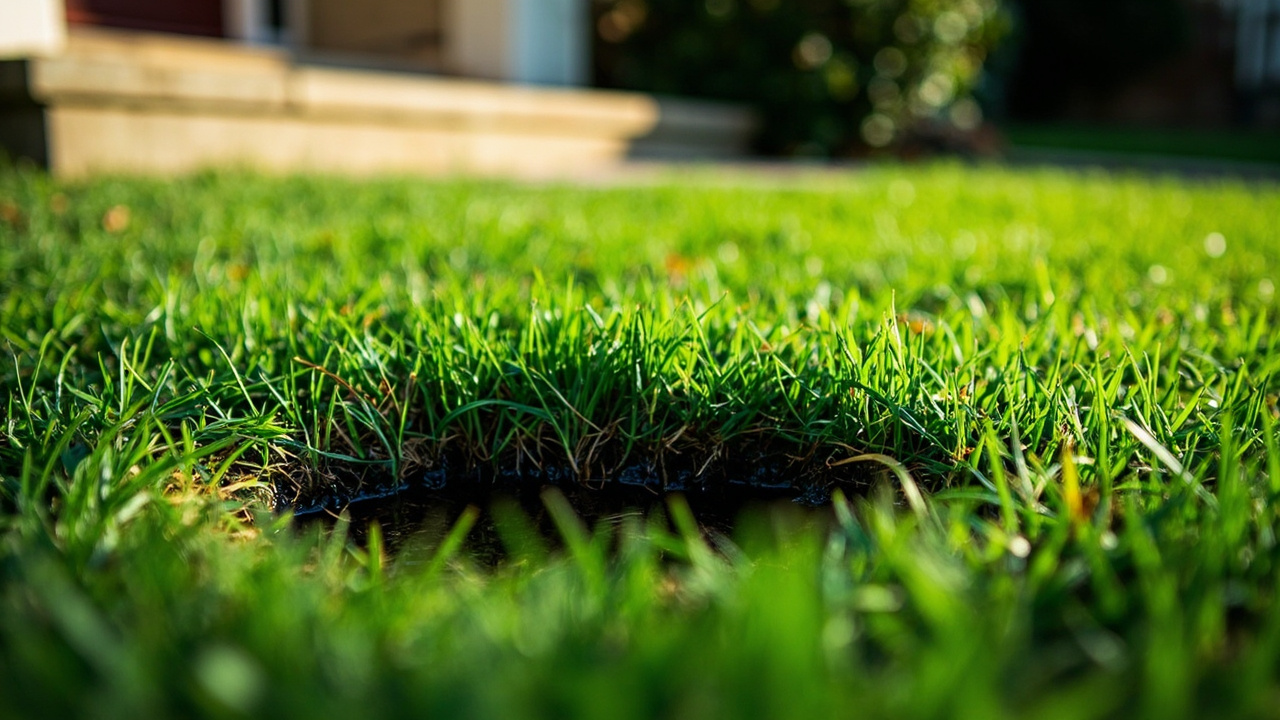
The symptoms of a broken sewer line often appear gradually. You might notice slow drains throughout your home, not just in one fixture. Multiple toilets gurgling when you run water signals a ventilation problem caused by a blocked or damaged main line. Patches of unusually green grass in your yard indicate sewage leaking underground, fertilizing the soil above the break.

Foul odors near your foundation or in your basement suggest sewer gas escaping through cracks in the line. If you see indentations or sinkholes forming in your yard, the soil beneath is eroding as wastewater washes it away. These warning signs of main sewer line issues require immediate professional assessment. The longer you wait, the more damage occurs to your foundation, landscaping, and property value.

Sacramento's Aging Infrastructure and Shifting Soil Create Hidden Sewer Line Threats
How We Diagnose Sewer Line Damage Without Destroying Your Property

How We Diagnose Sewer Line Damage Without Destroying Your Property

We use video pipe inspection technology to evaluate your sewer line's condition without excavation. A high-resolution camera mounted on a flexible cable travels through your cleanout access point, transmitting real-time footage of the pipe's interior. This reveals cracks, root intrusion, bellied sections where the pipe has sagged, and scale buildup that restricts flow.

The camera head includes a locating transmitter that allows us to mark the exact position and depth of any problem areas from the surface. This precision eliminates guesswork and unnecessary digging. We record the entire inspection, providing you with dated video evidence of the pipe's condition. This documentation helps with insurance claims and gives you a clear picture of what repairs are necessary versus what can wait.

For indicators of sewer line damage that show early-stage deterioration, we offer trenchless repair options. Pipe lining involves inserting an epoxy-saturated liner into the existing pipe, then inflating it against the walls. Once cured, this creates a new pipe inside the old one, sealing cracks and preventing root intrusion for decades. Pipe bursting replaces the damaged line by pulling a new pipe through the old one while simultaneously fracturing the deteriorated pipe outward.

Traditional excavation remains necessary when the pipe has collapsed completely, when bellied sections create standing water that breeds bacteria, or when the line sits too deep for trenchless methods. We minimize disruption by excavating only at access points rather than trenching the entire line length. Our process includes proper backfill compaction, surface restoration, and coordination with Sacramento's Department of Utilities when work affects the connection point at the main.

What Happens During Your Sewer Line Assessment

Signs You Need Sewer Repair in Sacramento – Expert Diagnosis Prevents Thousands in Property Damage
01

Initial Symptom Documentation

We start by documenting every symptom you have noticed, from drainage speed to odor locations. You walk us through when problems occur and which fixtures are affected. We check your cleanout location, test drainage at multiple points, and listen for gurgling or unusual sounds. This conversation helps us understand the pattern of sewer line failure symptoms and eliminates other potential causes like isolated clogs or venting issues.
02

Video Camera Inspection

Our technician feeds the inspection camera through your cleanout access, advancing it toward the street connection. You watch the live feed as we identify cracks, root penetration, grease buildup, or structural collapse. We measure the distance from the cleanout to each problem area and mark those locations in your yard. The camera inspection typically takes 30 to 45 minutes and provides definitive answers about your pipe's condition.
03

Repair Options and Cost Analysis

After reviewing the inspection footage with you, we explain which repair methods apply to your specific situation. We discuss the advantages of trenchless repair versus excavation based on your pipe's material, depth, and damage extent. You receive a written estimate detailing the scope of work, timeline, and what your property will look like after completion. We answer questions about permits, utility coordination, and how we protect your landscaping during the repair process.

Why Sacramento Homeowners Trust Local Sewer Line Expertise

Sacramento's unique infrastructure challenges require technicians who understand local construction practices and soil conditions. We have worked on homes in every Sacramento neighborhood, from the historic Victorians in Alkali Flat to the mid-century ranches in Arden-Arcade. This experience taught us where the problematic Orangeburg pipe installations are most common and which areas have the aggressive tree root systems that invade clay pipes.

Local knowledge matters when coordinating with Sacramento's Department of Utilities. We understand their inspection requirements, know which permits apply to your project, and maintain relationships with inspectors who expedite approvals. When your sewer line connects to the city main, we handle the notification process and ensure compliance with Sacramento's plumbing code requirements.

The clay soil throughout Sacramento requires specific excavation techniques. Improper backfill compaction leads to settling and surface depression months after repair. We use engineered fill material and compact in lifts to prevent future problems. For homes with shallow water tables near the American River or in Pocket-Greenhaven, we employ dewatering systems that keep excavations dry during repair work.

Our technicians carry the state-required C-36 plumbing contractor license and maintain liability coverage that protects your property during invasive work. We pull permits for every job requiring them, ensuring your repair meets code and does not create issues when you sell your home. Many homeowners discover unpermitted sewer repairs during escrow inspections, creating delays and negotiation problems. We document everything properly from the start.

You receive photo documentation of the repair process, from initial excavation through backfill and surface restoration. This record proves the work was completed correctly and provides future owners with a complete history of your sewer system's maintenance.

What to Expect During Your Sewer Line Repair

Timeline and Availability

Most sewer line inspections happen within 24 hours of your call. We schedule around your availability and complete the camera inspection in a single visit. Simple trenchless repairs take one to two days from start to finish. Excavation projects requiring multiple access points may extend to three to five days depending on depth and length. We provide a detailed timeline during the estimate phase and update you daily on progress. Emergency situations where sewage backs up into your home receive same-day response. We coordinate with your schedule for work that requires you to limit water use during active repair hours.

Inspection Process Details

The inspection begins with locating your cleanout access point, typically a white or black PVC cap near your foundation or in your yard. If your home lacks a cleanout, we can access the line through a plumbing vent or toilet flange. The camera inspection reveals the pipe's material, diameter, slope, and condition throughout its length. We identify root intrusion points, joint separations, cracks, and areas where the pipe has bellied or sagged. You watch the entire inspection on our monitor and receive a recorded copy for your records. This visual evidence eliminates confusion about what repairs are necessary and why.

Quality and Final Result

Trenchless repairs create a seamless interior pipe surface that resists root intrusion and maintains smooth flow for decades. The cured epoxy liner carries a 50-year material life expectancy. Excavation repairs use Schedule 40 PVC pipe with solvent-welded joints that will not separate or leak. We pressure test all repairs before backfilling to confirm watertight integrity. Surface restoration includes soil compaction that prevents future settling, followed by concrete replacement or sod installation that matches your existing landscape. You receive before and after photos documenting the completed work and restored property appearance.

Maintenance Recommendations

After repair, we provide guidance on preventing future problems. This includes which trees to avoid planting near your sewer line, how often to schedule preventive camera inspections, and what substances to keep out of your drains. For homes with recurring root intrusion, we offer annual root treatment services using copper sulfate foam that kills invasive roots without harming trees. We recommend bi-annual inspections for homes with older pipe sections that were not replaced during the repair. Regular inspection catches small problems before they require extensive excavation, protecting your investment and preventing emergency situations.

Frequently Asked Questions

You Have Questions,
We Have Answers

What are four signs that your sewer line is broken? +

Four clear signs point to a broken sewer line. First, multiple drains in your home back up at once, not just one toilet or sink. Second, you notice soggy patches or unusually lush grass in your yard where the sewer line runs. Third, you smell persistent sewage odors inside or outside your home. Fourth, you hear gurgling sounds from drains when water flows elsewhere. Sacramento's older neighborhoods with mature trees often face root intrusion that cracks pipes. If you see any combination of these signs, you need a camera inspection fast to assess the damage.

How do you tell if your sewer line needs to be replaced? +

Your sewer line needs replacement when repairs no longer make financial sense. A camera inspection reveals the truth. If you see widespread corrosion, multiple cracks, severe root penetration throughout the pipe, or complete collapse, replacement beats repeated patch jobs. Sacramento homes built before 1980 often have clay or Orangeburg pipes that deteriorate faster than modern PVC. Age matters too. If your line is over 50 years old and showing problems, replacement prevents future emergencies. Frequent backups despite recent repairs signal a failing system. A licensed plumber can compare repair costs versus replacement and give you honest guidance.

Does homeowners insurance cover main sewer line repair? +

Most standard homeowners policies exclude sewer line repairs because insurance treats them as maintenance issues, not sudden accidents. However, some policies offer optional sewer backup coverage or water backup endorsements that cover damage inside your home from sewage backups. This coverage rarely pays for the actual pipe repair but may cover interior cleanup costs. Review your policy declarations page or call your agent to verify coverage. In Sacramento, where older sewer laterals fail regularly, some homeowners add this endorsement for added protection. Document everything if you file a claim.

How do you know if you have a sewage problem? +

You know you have a sewage problem when drains act strange across your home. Multiple slow drains, toilets that gurgle when you run the washing machine, or water backing up in your basement floor drain all signal trouble. You might smell sewage inside or outside near your foundation. Check your yard for unexplained wet spots, especially if the weather has been dry. Sacramento's clay soil can hide leaks temporarily until they become severe. Any sewage backup requires immediate attention because raw sewage poses serious health risks to your family and neighbors.

How much does it cost to fix a collapsed sewer line? +

Fixing a collapsed sewer line varies widely based on depth, access, and repair method. Traditional excavation costs more than trenchless methods but sometimes remains the only option. Location matters tremendously. A collapse under your driveway or landscaping increases costs due to restoration work. In Sacramento, depth averages 3 to 6 feet, but older homes may have deeper lines. Permits add to the total. Trenchless pipe bursting or lining can reduce costs when conditions allow. Get three written estimates from licensed contractors and ask about all factors affecting price before committing.

Who is responsible for a broken sewer pipe? +

Responsibility splits at the property line in most Sacramento neighborhoods. You own the sewer lateral from your house to where it connects with the city main, usually at the street or alley. The city owns and maintains the main line itself. If your lateral breaks on your property, you pay for repairs. If tree roots from a city parkway damage your lateral, responsibility gets murky and may require documentation. Always verify the break location with a camera inspection before assuming responsibility. Some older Sacramento properties have shared laterals with neighbors, which complicates responsibility further.

How much does it cost to have your sewer line inspection? +

A professional sewer camera inspection typically ranges from affordable to moderately priced for a standard residential line. The plumber inserts a waterproof camera through a cleanout to inspect the entire line from your house to the street connection. You receive a recording showing the pipe condition, any blockages, cracks, or root intrusion. In Sacramento, this diagnostic step saves money by preventing unnecessary digging or pinpointing exact problem locations. Many plumbing companies credit the inspection fee toward repair costs if you hire them. Never skip this step when buying an older home.

What is the average lifespan of a sewer line? +

Sewer line lifespan depends entirely on pipe material. Modern PVC pipes last 50 to 100 years with minimal issues. Cast iron corrodes and typically needs replacement after 50 to 75 years. Clay pipes, common in older Sacramento neighborhoods, last 50 to 60 years but crack easily from ground shifting or root intrusion. Orangeburg pipes, made from wood pulp, fail after just 30 to 50 years. Sacramento's expansive clay soil accelerates wear on older pipe materials through shifting and settling. If your home was built before 1980, assume your sewer lateral approaches end of life.

Can sewer pipes be repaired without digging? +

Yes, trenchless methods repair sewer pipes without extensive digging. Pipe lining inserts an epoxy-coated sleeve inside the damaged pipe, creating a smooth new pipe within the old one. Pipe bursting breaks the old pipe while simultaneously pulling new pipe through the same path. Both methods require access points at each end but eliminate trench digging across your yard. Sacramento contractors use these methods regularly, especially under driveways, sidewalks, or mature landscaping. However, completely collapsed pipes or certain configurations may still require traditional excavation. A camera inspection determines which method works for your situation.

How to get insurance to pay for sewer line replacement? +

Getting insurance to pay requires proper documentation and policy language review. First, verify you have optional sewer backup or water backup coverage, not just standard homeowners insurance. Document the failure immediately with photos and videos. Get a professional camera inspection report showing the damage cause. If a sudden, accidental event like ground settling caused the break, rather than gradual wear, you have a stronger claim. File promptly and provide all requested documentation. In Sacramento, working with a public adjuster can help navigate complex claims. Most policies still exclude gradual deterioration regardless of documentation quality.

How Sacramento's Urban Forest Accelerates Sewer Line Damage

Sacramento's reputation as the City of Trees creates beautiful canopy coverage but also accelerates sewer line deterioration. The extensive root systems of mature elms, sycamores, and Chinese pistache trees common in established neighborhoods seek moisture and nutrients from sewer lines. A single crack or joint separation releases water vapor that attracts roots from 50 feet away. Once roots penetrate the pipe, they expand rapidly, creating blockages and widening cracks. The combination of aggressive tree roots and expansive clay soil means Sacramento homeowners face higher rates of sewer line failure than cities with sandy soil and limited tree canopy. Regular camera inspections reveal early root intrusion before it causes complete blockages or pipe collapse.

Sacramento County requires permits for any sewer repair that affects the connection point to the public main or involves excavation in the public right-of-way. We maintain current knowledge of these requirements and handle all permitting coordination. Our familiarity with local inspectors and utility department procedures prevents project delays. Many Sacramento neighborhoods include historic districts with additional requirements for surface restoration and excavation methods. We understand these restrictions and plan repairs that meet preservation standards while solving your sewer problems permanently. Choosing a local contractor familiar with Sacramento's specific regulations protects you from compliance issues and ensures your repair passes final inspection without complications.
Plumbing Services in The Sacramento Area

Apex Plumbing Sacramento is proud to be a locally owned and operated business centrally located to efficiently serve the entire Sacramento region and its surrounding communities. Our strategic position ensures that we can quickly dispatch a professional technician to your home or business, especially during a plumbing emergency. Use the map below to visualize our service area or to find directions to our main office for consultations.

Address:
Apex Plumbing Sacramento, 930 G St, Sacramento, CA, 95814

Additional Services We Offer

Our news updates

Latest Articles & News from The Blogs

Gas vs Electric Tank Water Heaters — Which is More Cost-Effective in Roseville? Roseville homeowners face a unique decision when…

Gas vs Electric Tank Water Heaters — Which is More Cost-Effective in Roseville?

Gas vs Electric Tank Water Heaters — Which is More Cost-Effective in Roseville? Roseville homeowners face a unique decision when…

How Long Does a Whole Home Repipe Actually Take in an Older Land Park House?

How Long Does a Whole Home Repipe Actually Take in an Older Land Park House? Most Land Park homeowners facing…

Legal Rainwater Harvesting for Sacramento Gardeners (What You Can and Cannot Do)

Legal Rainwater Harvesting for Sacramento Gardeners (What You Can and Cannot Do) California's water laws have changed dramatically in recent…

Contact Us

Call Apex Plumbing Sacramento at (209) 260-0077 for a comprehensive camera inspection that reveals your sewer line's true condition. We provide same-day scheduling and honest assessments based on video evidence, not guesswork. Stop wondering if that slow drain signals a bigger problem and get definitive answers today.