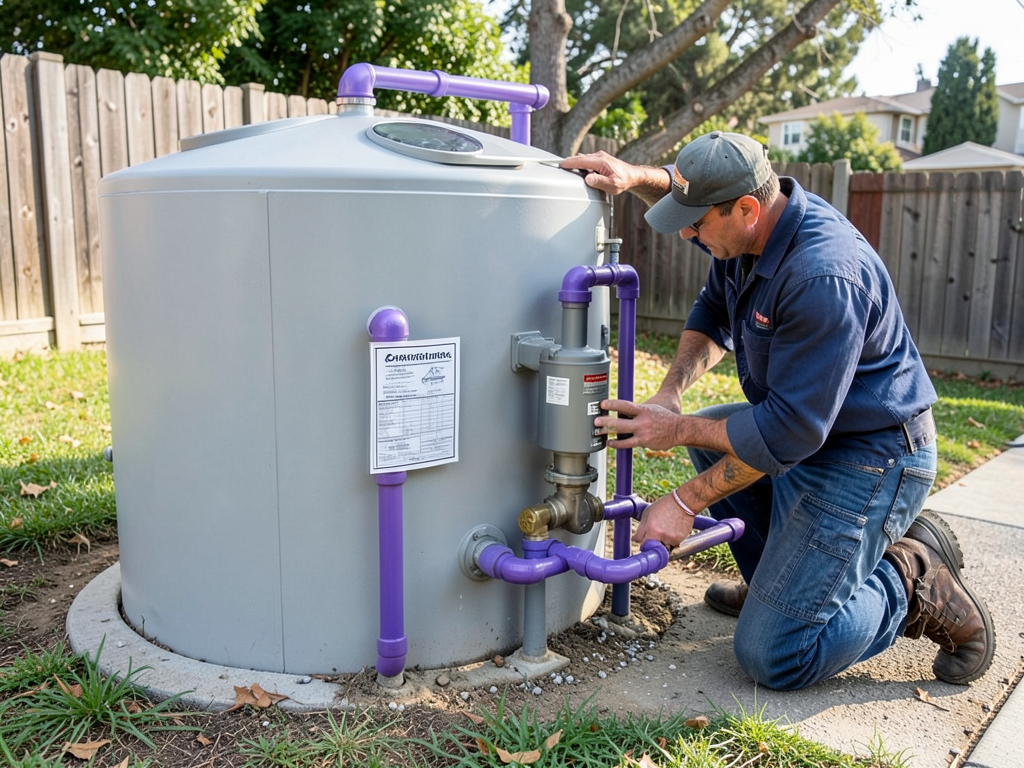







Sacramento sits on expansive clay soil that shrinks during drought and swells during rain. This seasonal movement creates shear stress on buried gas lines. Pipes installed 40 years ago in Land Park, Curtis Park, and East Sacramento were not designed for the soil movement patterns California's extended droughts have created. Underground gas lines develop stress fractures at joints and elbows where rigid pipe cannot flex with shifting soil. The clay's impermeability traps leaked gas in concentrated pockets rather than allowing it to dissipate, creating underground gas accumulations that migrate toward foundations and basements. Emergency gas line repair calls spike in Sacramento every spring as winter rains mobilize soil around compromised pipes.
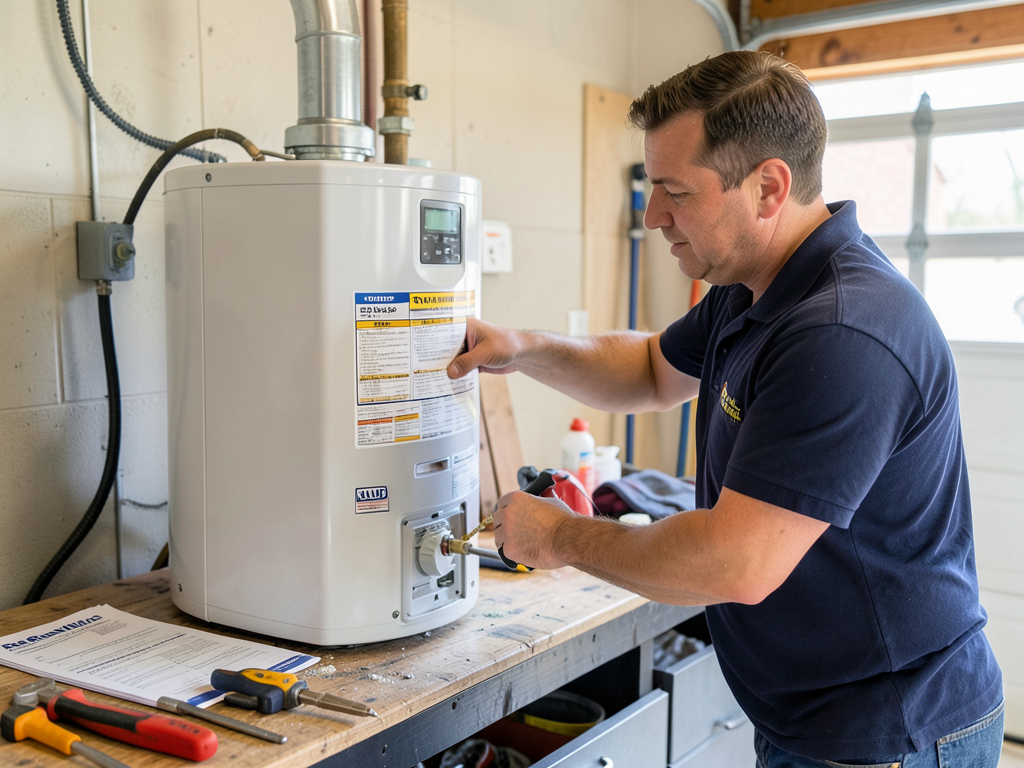
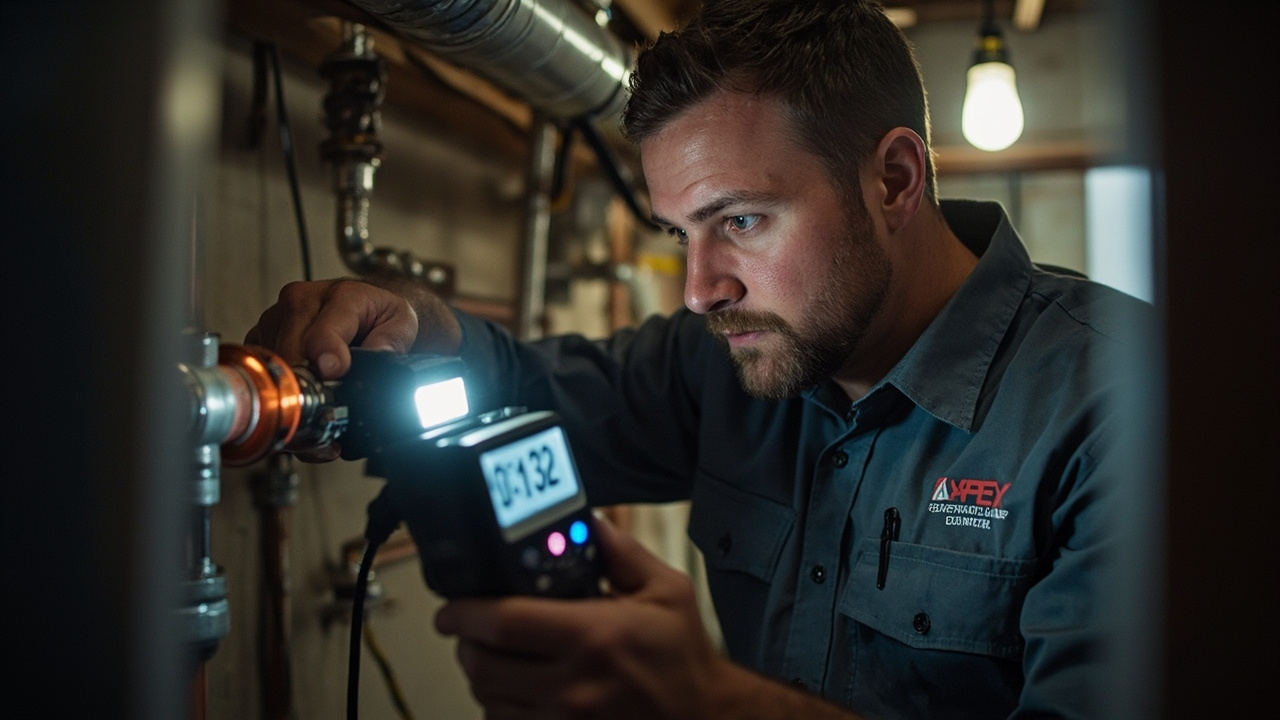
Sacramento's building boom periods left distinct gas infrastructure signatures. Homes built in the 1950s and 1960s used galvanized steel gas lines, which corrode from the inside as gas condensation reacts with zinc coating. Properties from the 1970s often have undersized gas lines that were adequate for original appliances but cannot safely serve modern high-BTU ranges and tankless water heaters. Apex Plumbing Sacramento has mapped these patterns across hundreds of gas leak detection calls. We know which neighborhoods have the highest risk profiles and what failure modes to expect in each era of construction. When you call for gas pipe leak detection, you get a technician who understands Sacramento's specific gas infrastructure challenges and has the parts to fix them without multiple trips.