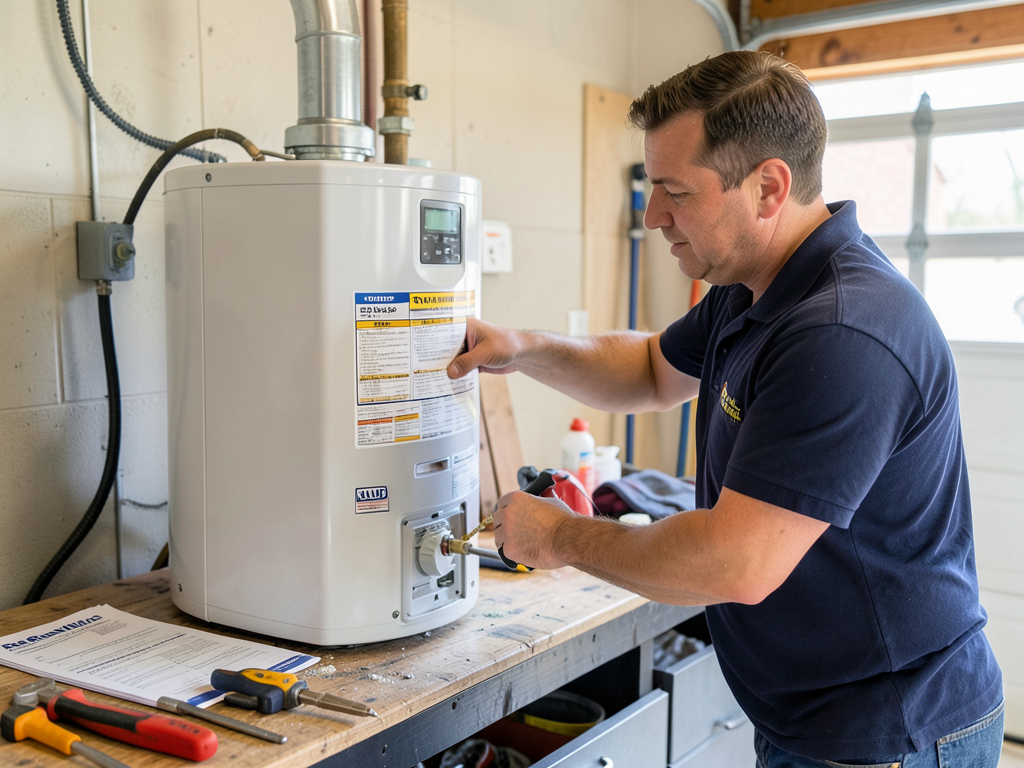








Sacramento's municipal water supply carries 120 to 180 parts per million of dissolved minerals, qualifying as moderately hard to hard water. These minerals precipitate out when heated, forming calcium carbonate scale on heating elements and settling as sediment at the tank bottom. A half-inch layer of sediment can reduce heating efficiency by 30 percent. When troubleshooting water heater problems in Sacramento, we account for this accelerated sediment buildup. A five-year-old water heater here might show sediment levels typical of a ten-year-old unit in softer water areas. This affects our diagnosis because symptoms like slow recovery time or rumbling sounds point to sediment issues rather than element failure in many cases.
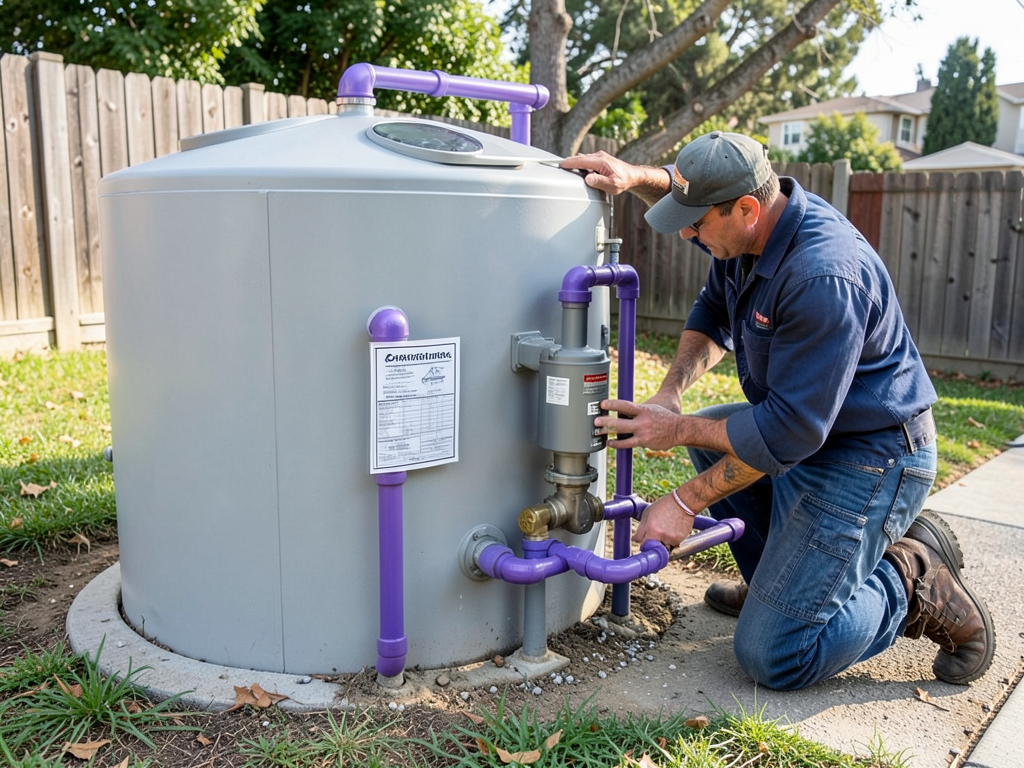
Working exclusively in the greater Sacramento metro area means we understand local building code requirements that affect water heater diagnosis and replacement. Sacramento requires expansion tanks on all closed-loop systems and earthquake straps in specific configurations. When we diagnose a failing water heater, we factor these code requirements into replacement recommendations. A homeowner in Carmichael faces different permit requirements than someone in unincorporated Sacramento County. We know which jurisdictions require owner-occupant permits and which require licensed contractor permits for water heater work. This local regulatory knowledge prevents costly mistakes and ensures any replacement we recommend will pass inspection the first time.