



menu

Preventative Commercial Maintenance in Sacramento | Eliminate Downtime with Proactive Plumbing Systems Management

Protect your Sacramento business operations with scheduled commercial plumbing upkeep that prevents catastrophic failures, maintains code compliance, and reduces long-term capital expenditures through strategic asset management.

Slider Image 1
Slider Image 2
Slider Image 3
Slider Image 4
Slider Image 5
Slider Image 7
Slider Image 8
Slider Image 9
Slider Image 10
Slider Image 11

Why Sacramento Commercial Properties Fail Without Scheduled Plumbing Upkeep

Sacramento's hard water composition accelerates mineral buildup in commercial plumbing systems faster than most California municipalities. The city's aging infrastructure in Midtown and Downtown districts compounds this issue. Your commercial property faces elevated risk of backflow contamination, pressure drops, and catastrophic pipe failures without structured preventive commercial plumbing services.

The Delta Breeze effect creates temperature fluctuations that stress pipe joints in commercial HVAC tie-ins. Underground clay soil expansion puts constant pressure on main water lines serving multi-tenant buildings. Restaurant grease traps fail prematurely in Sacramento's heat. Medical facilities risk cross-contamination from degraded backflow preventers. Manufacturing operations lose production time when supply lines corrode internally and fail without warning.

Commercial plumbing maintenance plans address these vulnerabilities before they disrupt your business. Routine commercial plumbing inspections identify degraded gaskets, corroded valve seats, and scale accumulation in water heaters before complete failure occurs. This is not about fixing broken equipment. This is about preventing the breakdown that shuts down your operation.

Sacramento building codes require annual backflow testing for commercial properties. Fire suppression systems need quarterly inspections. Multi-story buildings require pressure testing on booster pumps. Compliance is not optional. Commercial plumbing service agreements document this work and provide the records you need during health department reviews and insurance audits.

Your competitors are either paying for prevention or paying for emergency repairs at triple the cost. The difference is predictable maintenance budgets versus unplanned capital outlays.

Why Sacramento Commercial Properties Fail Without Scheduled Plumbing Upkeep
The Asset Management Approach to Commercial Plumbing Systems

The Asset Management Approach to Commercial Plumbing Systems

Apex Plumbing Sacramento treats your plumbing infrastructure as a managed asset, not a reactive expense. We baseline your system with pressure testing, flow rate documentation, and thermal imaging of supply lines. This creates the diagnostic foundation for planned interventions.

Our scheduled commercial plumbing upkeep uses predictive maintenance protocols. We track differential pressure across backflow assemblies to predict valve failure before it happens. Ultrasonic testing measures remaining pipe wall thickness in sections prone to corrosion. Camera inspections document grease buildup rates in drain systems so you descale before blockages occur.

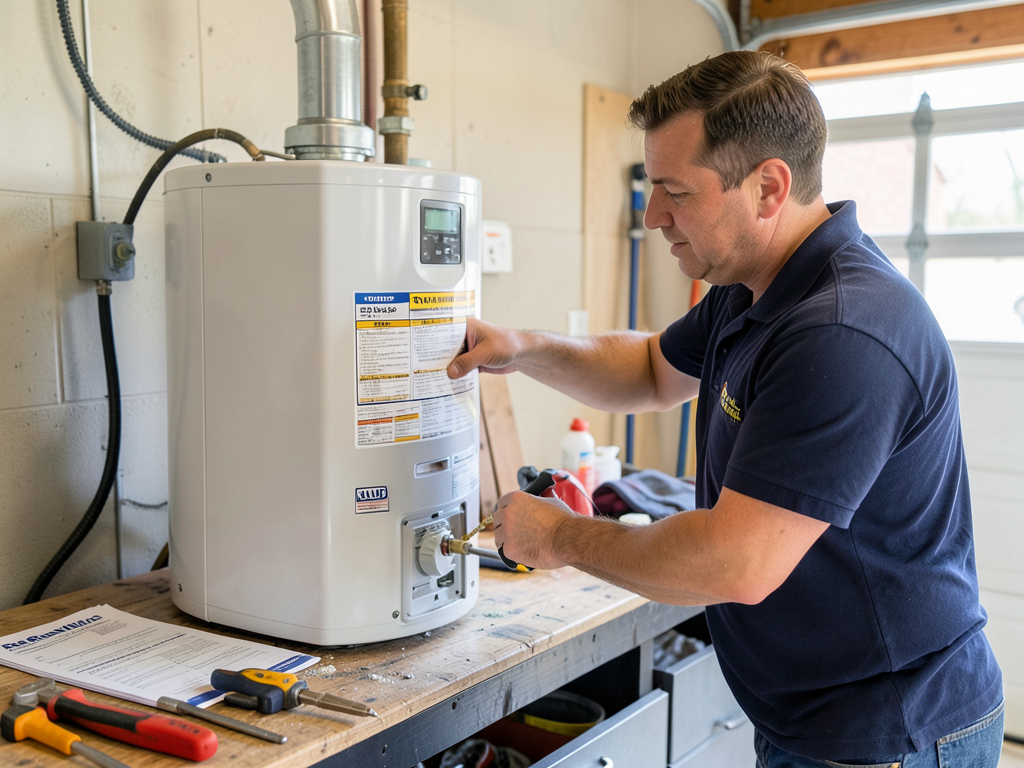
We replace anode rods in commercial water heaters before tank corrosion starts. We rebuild fill valves and flappers in commercial toilets on a schedule tied to cycle counts, not after leaks waste thousands of gallons. We hydro-jet main drain lines annually in food service operations to prevent the emergency calls that shut down your kitchen during lunch rush.

Every system gets a criticality ranking. Your boiler feed lines get more frequent inspection than break room sink supplies. Your sterile processing department gets priority over administrative office plumbing. We map your vulnerabilities to your operational priorities.

Documentation is comprehensive. You receive detailed reports with photographs, pressure readings, and flow metrics. We track parts approaching end-of-service life and schedule replacements during planned downtime, not during business hours. Your facility manager gets 90-day advance notice of recommended interventions with budget estimates.

This is the difference between facilities management and emergency reaction. We extend asset life, reduce total cost of ownership, and eliminate the surprise failures that cost you revenue.

How Commercial Plumbing Maintenance Programs Work

Preventative Commercial Maintenance in Sacramento | Eliminate Downtime with Proactive Plumbing Systems Management
01

Initial System Assessment

We conduct a complete facility audit documenting every fixture, valve, water heater, backflow device, and supply line. Pressure tests establish baseline performance metrics. Camera inspections map your drain system and identify existing degradation. You receive a comprehensive condition report ranking components by remaining service life and failure risk. This assessment defines your customized maintenance schedule.
02

Scheduled Inspection Intervals

Your maintenance plan specifies monthly, quarterly, and annual service points based on equipment criticality and usage patterns. Technicians perform pressure testing, flow verification, temperature checks, and visual inspections. High-wear components get rebuilt or replaced on schedule. Backflow devices get certified testing to maintain compliance. You receive advance notification before each service visit with minimal operational disruption.
03

Performance Documentation and Adjustments

After each service interval, you receive detailed reports with trend analysis showing system performance over time. Declining pressure readings trigger proactive interventions. Increased flow rates signal hidden leaks. We adjust maintenance frequencies based on actual wear patterns observed in your specific facility. Your plan evolves with your building, preventing failures while optimizing service costs.

Why Sacramento Businesses Choose Apex Plumbing for Commercial Maintenance

Apex Plumbing Sacramento specializes in commercial and industrial plumbing systems serving the Sacramento metro area. We understand Title 24 requirements for commercial water heating. We know Sacramento County's backflow testing protocols. We work within the constraints of occupied buildings without disrupting your operations.

Our technicians carry commercial-grade diagnostic equipment including pressure data loggers, thermal cameras, and pipe locating technology. We stock parts for commercial fixtures and equipment that residential suppliers do not carry. When we identify a failing component during inspection, we have the replacement on the truck or can source it same-day from our commercial suppliers.

We maintain service records that satisfy insurance requirements and regulatory audits. Your facility manager gets access to an online portal showing complete service history, upcoming scheduled maintenance, and parts replacement tracking. This documentation proves invaluable during property sales, lease renewals, and insurance underwriting reviews.

Sacramento's commercial real estate market values properties with documented maintenance programs. Prospective tenants and buyers see proof of proper building management. Lenders view scheduled upkeep as risk mitigation. Your maintenance records become an asset that increases property value.

We coordinate with your operational schedule. Manufacturing facilities get service during planned shutdowns. Restaurants get drain maintenance after closing. Medical facilities get priority response for any issue affecting patient care areas. Office buildings get work completed during low-occupancy periods.

Commercial plumbing maintenance plans from Apex Plumbing Sacramento reduce your annual plumbing costs by preventing the emergency calls that occur at the worst possible times and cost three times normal rates.

What Commercial Maintenance Service Includes

Service Response Timeframes

Scheduled maintenance occurs at intervals specified in your service agreement, with technician arrival windows coordinated around your operational needs. We provide 48-hour advance notification before routine service visits. For plan customers who experience unexpected issues between scheduled services, we provide priority dispatch with response times typically within four hours during business hours. After-hours emergency support is available for critical failures affecting business operations or creating health and safety risks.

Comprehensive Facility Evaluation

Your initial assessment includes pressure testing at multiple fixture locations, flow rate measurements, water heater efficiency analysis, backflow preventer function testing, and camera inspection of accessible drain lines. We document all equipment by make, model, installation date, and condition. High-risk components get flagged for accelerated monitoring. You receive a written report with photographs, test data, and recommended service intervals. This baseline assessment typically requires two to four hours depending on facility size and complexity.

Measurable System Performance

Routine commercial plumbing inspections extend equipment service life by addressing minor issues before major failures occur. Water heaters last years longer with scheduled anode rod replacement and sediment flushing. Backflow preventers maintain certification with annual testing and component rebuilds. Drain systems stay clear with scheduled hydro-jetting. You avoid the business disruption and premium costs associated with emergency breakdowns. Documented maintenance reduces insurance premiums and supports property valuations during refinancing or sale transactions.

Ongoing Support and Record Keeping

Your commercial plumbing service agreement includes detailed documentation of all inspections, tests, and component replacements. You receive annual backflow certification reports required by Sacramento County. We maintain complete service history accessible through your online account. Trend analysis shows system performance changes over time and identifies emerging issues. Plan customers receive advance notification when components approach end-of-service life, allowing you to budget for replacements during planned maintenance windows rather than emergency situations.

Frequently Asked Questions

You Have Questions,
We Have Answers

What are the 5 types of preventive maintenance? +

The five types of preventive maintenance are time-based, usage-based, predictive, prescriptive, and condition-based. Time-based schedules service at fixed intervals regardless of equipment status. Usage-based triggers maintenance after specific operating hours or cycles. Predictive maintenance uses data and sensors to forecast failures before they occur. Prescriptive maintenance combines predictive analytics with automated decision-making to optimize timing. Condition-based maintenance monitors real-time equipment performance and triggers service when thresholds are exceeded. Sacramento commercial properties benefit most from combining time-based and condition-based approaches due to extreme summer heat stressing HVAC systems and seasonal fluctuations impacting equipment performance year-round.

What are the 7 elements of preventive maintenance? +

The seven elements of preventive maintenance are inspection, cleaning, lubrication, adjustment, calibration, replacement, and documentation. Inspection identifies wear and potential failures early. Cleaning removes debris that degrades performance and efficiency. Lubrication reduces friction and extends component life. Adjustment ensures optimal operating parameters. Calibration maintains accuracy in controls and sensors. Replacement addresses wear items before failure. Documentation tracks service history and identifies patterns. For Sacramento commercial facilities, these elements protect equipment from Central Valley dust accumulation and extreme temperature swings that accelerate wear. Systematic documentation proves compliance during lease audits and supports insurance claims when equipment failures cause business interruption.

What does preventative maintenance include? +

Preventative maintenance includes scheduled inspections, cleaning, lubrication, filter replacements, calibration, adjustment, and component testing. It covers HVAC systems, plumbing infrastructure, electrical panels, roof membranes, drainage systems, fire suppression equipment, and building automation controls. Regular tasks prevent costly emergency repairs and extend asset life. In Sacramento, preventative maintenance addresses specific regional challenges like hard water mineral buildup in plumbing systems, UV degradation of roofing materials from intense summer sun exposure, and HVAC strain from triple-digit temperatures. Programs typically include quarterly inspections, biannual deep cleaning, annual equipment testing, and immediate documentation of findings. Proactive service reduces downtime, maintains energy efficiency, and ensures code compliance for commercial operations.

How much does preventive maintenance cost for commercial HVAC? +

Commercial HVAC preventive maintenance costs vary based on system size, complexity, and service frequency. Small commercial units may require modest quarterly investment while large rooftop systems or central plants demand higher budgets. Cost factors include tonnage capacity, number of zones, equipment age, accessibility, and scope of service. Sacramento's extreme summer heat increases compressor wear and refrigerant loss, requiring more frequent attention than moderate climates. Budget for seasonal tune-ups before cooling season begins in May and heating checks before November. Multi-year service agreements typically reduce per-visit costs and prioritize your facility during peak demand. Investment in preventive maintenance reduces emergency repair expenses and lowers utility bills through sustained efficiency.

What are the 4 P's of maintenance? +

The four P's of maintenance are Preservation, Prediction, Prevention, and Performance. Preservation maintains equipment in original condition through proper care and environmental controls. Prediction uses data analysis and monitoring to forecast failures before they occur. Prevention implements scheduled interventions that stop problems from developing. Performance measures effectiveness through metrics like uptime, mean time between failures, and maintenance cost per unit. Sacramento commercial operations benefit from balancing all four P's to address regional stressors. Preservation combats UV damage and thermal cycling. Prediction identifies HVAC issues before summer peak demand. Prevention stops water intrusion during winter storms. Performance tracking quantifies ROI and justifies capital expenditure decisions for facility managers.

What is the 10% rule of preventive maintenance? +

The 10% rule states that preventive maintenance should consume approximately 10% of total maintenance resources while reactive repairs take the remaining 90%. This ratio signals poor maintenance strategy and excessive downtime costs. Best practice inverts this ratio, dedicating 60-80% of resources to planned preventive work and only 20-40% to reactive issues. Sacramento commercial properties achieve this balance through structured quarterly inspections, seasonal equipment preparation, and addressing minor issues before they cascade into failures. The 10% rule serves as a warning threshold. When preventive tasks drop below 10% of total maintenance activity, equipment reliability declines, emergency calls increase, and operational costs rise significantly due to crisis management and expedited parts procurement.

What is included in a PM checklist? +

A PM checklist includes equipment identification, inspection points, measurement parameters, lubrication schedules, adjustment procedures, safety checks, and sign-off fields. Specific items vary by equipment type but typically cover visual inspections for leaks or damage, operational testing, filter replacement, belt tension verification, electrical connection integrity, control calibration, and fluid level checks. Sacramento commercial checklists add region-specific items like condenser coil cleaning due to agricultural dust, roof drainage verification before winter rains, and refrigerant charge confirmation after extreme heat exposure. Effective checklists standardize service quality, ensure regulatory compliance, create audit trails, and facilitate knowledge transfer when technicians change. Digital checklists enable real-time documentation and automated work order generation.

What are the 5 basic maintenance skills? +

The five basic maintenance skills are troubleshooting, mechanical aptitude, electrical knowledge, documentation ability, and safety awareness. Troubleshooting identifies root causes rather than symptoms. Mechanical aptitude enables proper tool use and understanding of how components interact. Electrical knowledge prevents hazards and enables circuit diagnosis. Documentation creates service records that track equipment history and justify capital decisions. Safety awareness protects personnel and prevents liability. Sacramento commercial maintenance teams need additional competencies for regional conditions including irrigation system knowledge for landscape maintenance, familiarity with Title 24 energy code requirements, and understanding how Central Valley heat affects equipment performance. Cross-training technicians across multiple systems reduces response time and improves operational continuity.

What are the 5 pillars of TPM? +

The five pillars of Total Productive Maintenance are Autonomous Maintenance, Focused Improvement, Planned Maintenance, Quality Maintenance, and Education and Training. Autonomous Maintenance empowers operators to perform basic care and identify abnormalities. Focused Improvement eliminates losses through targeted projects. Planned Maintenance schedules proactive service to prevent failures. Quality Maintenance integrates defect prevention into processes. Education and Training develop workforce competencies continuously. Sacramento commercial facilities adapt TPM principles by training staff to monitor equipment during extreme heat events, scheduling intensive maintenance during mild spring and fall weather, and documenting seasonal performance patterns. TPM reduces unplanned downtime, extends equipment life, and improves overall equipment effectiveness through systematic collaboration between operations and maintenance teams.

What is a TPM checklist? +

A TPM checklist documents autonomous maintenance tasks, performance metrics, abnormality reporting, and improvement opportunities. It includes daily operator inspections like fluid levels and unusual noises, weekly cleaning and lubrication tasks, monthly performance measurements, and continuous improvement suggestions. The checklist assigns responsibility, defines standards, and tracks completion. Sacramento commercial TPM checklists incorporate climate-specific monitoring like HVAC performance during heat waves, roof membrane integrity after UV exposure, and plumbing system pressure variations from seasonal demand changes. Effective TPM checklists bridge the gap between operations and maintenance departments, create ownership mentality among equipment users, and generate actionable data for continuous improvement initiatives. Digital integration enables trend analysis and predictive maintenance scheduling.

How Sacramento's Hard Water and Aging Infrastructure Impact Commercial Plumbing Maintenance

Sacramento's water supply contains elevated calcium and magnesium concentrations that accelerate scale formation in commercial water heaters, boiler systems, and supply piping. Properties in Grid, Midtown, and East Sacramento neighborhoods built before 1980 often have galvanized steel supply lines experiencing advanced internal corrosion. The combination of aggressive water chemistry and aging infrastructure creates elevated failure rates in commercial buildings. Preventive commercial plumbing services address these specific conditions through scheduled descaling treatments, anode rod replacement programs, and strategic pipe section replacement before catastrophic failures disrupt business operations.

Commercial properties throughout Sacramento County require annual backflow preventer testing to maintain compliance with local water district regulations. Food service establishments need quarterly grease trap maintenance to meet Sacramento Environmental Services requirements. Medical and dental facilities face strict cross-connection control protocols. Apex Plumbing Sacramento maintains current certification for backflow testing and understands the specific documentation requirements for Sacramento County compliance audits. Our commercial plumbing maintenance plans ensure your property meets all regulatory obligations while preventing the equipment failures that create liability exposure and operational disruption.
Plumbing Services in The Sacramento Area

Apex Plumbing Sacramento is proud to be a locally owned and operated business centrally located to efficiently serve the entire Sacramento region and its surrounding communities. Our strategic position ensures that we can quickly dispatch a professional technician to your home or business, especially during a plumbing emergency. Use the map below to visualize our service area or to find directions to our main office for consultations.

Address:
Apex Plumbing Sacramento, 930 G St, Sacramento, CA, 95814

Additional Services We Offer

Our news updates

Latest Articles & News from The Blogs

Gas vs Electric Tank Water Heaters — Which is More Cost-Effective in Roseville? Roseville homeowners face a unique decision when…

Gas vs Electric Tank Water Heaters — Which is More Cost-Effective in Roseville?

Gas vs Electric Tank Water Heaters — Which is More Cost-Effective in Roseville? Roseville homeowners face a unique decision when…

How Long Does a Whole Home Repipe Actually Take in an Older Land Park House?

How Long Does a Whole Home Repipe Actually Take in an Older Land Park House? Most Land Park homeowners facing…

Legal Rainwater Harvesting for Sacramento Gardeners (What You Can and Cannot Do)

Legal Rainwater Harvesting for Sacramento Gardeners (What You Can and Cannot Do) California's water laws have changed dramatically in recent…

Contact Us

Stop paying emergency rates for preventable failures. Call (209) 260-0077 now to schedule your facility assessment. We will evaluate your commercial plumbing systems, identify vulnerabilities, and provide a customized maintenance plan that reduces costs and eliminates downtime.