
Why Your Folsom Home Has Low Water Pressure (And How to Fix It)
Low water pressure can turn simple tasks like showering or washing dishes into frustrating experiences. If you’re experiencing weak water flow in your Folsom home, you’re not alone. Many Folsom residents face this issue due to the city’s unique water infrastructure, aging plumbing systems, and specific environmental factors affecting water delivery. City of Folsom Water Division.
Before you call a plumber, it’s important to understand what’s causing your low water pressure. Sometimes the problem is as simple as a partially closed valve, while other times it requires professional diagnosis and repair. This guide will walk you through the most common causes of low water pressure in Folsom homes and provide practical solutions you can try yourself. EPA WaterSense Program.
Is the Problem City-Wide or Just Your Home?
The first step in troubleshooting low water pressure is determining whether the issue affects your entire neighborhood or just your property. Folsom’s water system is managed by the City of Folsom Water Division, and they occasionally perform maintenance or experience supply issues that can temporarily reduce pressure throughout the city. The Best Water Heater Replacement Options for North Natomas Homeowners.
Check the City of Folsom’s website or call their customer service line at (916) 461-6730 to see if there are any reported water system problems in your area. You can also ask neighbors if they’re experiencing similar issues. If multiple homes on your street have low pressure, the problem is likely municipal rather than within your plumbing system. Plumbing Inspection Checklist.
However, if you’re the only one affected, the issue is probably specific to your home’s plumbing. This is where you’ll need to start investigating potential causes within your property. How to Spot a Slab Leak in Your Land Park Home Before It Causes Serious Damage.
Common Causes of Low Water Pressure in Folsom Homes
Folsom’s unique combination of older neighborhoods, newer developments, and specific water quality issues creates several common scenarios that lead to low water pressure. Understanding these causes can help you identify the problem more quickly.. Read more about Troubleshooting Well Pump Pressure Problems for Homeowners in Wilton.
1. Failing Pressure Reducing Valve (PRV)
Many Folsom homes, especially those in newer developments like Folsom Ranch and Empire Ranch, are equipped with pressure reducing valves. These devices are designed to protect your plumbing by reducing the high pressure that comes from the municipal supply to a safe level for your home. Plumbing Rio Linda.
Over time, PRVs can fail or become stuck, causing either too much pressure or too little. A failing PRV often results in gradually decreasing water pressure throughout the entire house. You might notice the problem getting worse over weeks or months.. Read more about Water Softener vs Water Conditioner — Choosing the Right One for Gold River Water.
PRVs are typically located where the main water line enters your home, often in a basement, crawl space, or utility closet. They look like a bell-shaped device with a pressure gauge attached.. Read more about How Often Should You Actually Flush Your Water Heater in Laguna Creek?.
2. Mineral Buildup in Pipes
Folsom’s water, sourced primarily from Folsom Lake and the American River, contains minerals that can accumulate inside your pipes over time. This is particularly common in older homes in Historic Folsom and areas near downtown.. Read more about PEX vs Copper Pipes — Which One is Better for Your Orangevale Repipe?.
Hard water leaves behind calcium and magnesium deposits that gradually narrow the inside diameter of pipes. This buildup restricts water flow and reduces pressure, much like cholesterol buildup in arteries restricts blood flow.
You might notice this problem more in hot water lines, as heat accelerates mineral precipitation. Showerheads and faucet aerators are often the first places where reduced flow becomes noticeable.
3. Hidden Water Leaks
A leak in your main water line or within your home’s plumbing system can cause significant pressure drops. These leaks might be underground, inside walls, or in crawl spaces where they’re not immediately visible.
Common signs of hidden leaks include unexplained increases in your water bill, damp spots on walls or floors, the sound of running water when all fixtures are off, or mold growth in unusual places.
Folsom’s clay soil can shift during dry summers and wet winters, potentially damaging underground pipes and creating leaks that affect water pressure.
4. Partially Closed Main Shut-off Valve
Sometimes the solution is simpler than you think. Your home’s main water shut-off valve might be partially closed, either from recent work or accidentally bumped.
The main shut-off is usually located near where the water line enters your home. If it’s a gate valve (wheel-shaped handle), make sure it’s turned fully counterclockwise. If it’s a ball valve (lever handle), the lever should be parallel to the pipe when fully open.. Read more about Why You Should Never Replace a Shower Valve Yourself in Your Del Paso Heights Home.
Even being slightly closed can significantly reduce water pressure throughout your home.
DIY Troubleshooting Steps for Folsom Homeowners
Before calling a professional plumber, you can perform several diagnostic tests to identify the cause of your low water pressure. These steps can save you time and money by either solving the problem yourself or providing valuable information to your plumber.
Step 1: Check All Fixtures
Test water pressure at multiple fixtures throughout your home. Turn on the cold water at each sink, shower, and outdoor spigot. Note whether the low pressure affects all fixtures or just specific ones.
If only one fixture has low pressure, the problem is likely isolated to that fixture or its supply line. If all fixtures are affected, the issue is probably with your main water supply or a whole-house component like the PRV.
Also check whether the problem occurs with both hot and cold water. If only hot water is affected, the issue might be with your water heater rather than your main supply.
Step 2: Clean Faucet Aerators and Showerheads
Mineral buildup in aerators and showerheads is a common cause of reduced flow at individual fixtures. Remove these components and soak them in vinegar for several hours to dissolve mineral deposits.
After soaking, use an old toothbrush to scrub away any remaining debris. Rinse thoroughly and reinstall. You might be surprised by how much this simple step can improve water flow.
This is particularly effective in Folsom homes where hard water is common. The vinegar dissolves the calcium and magnesium deposits that restrict water flow.
Step 3: Test Your Water Pressure
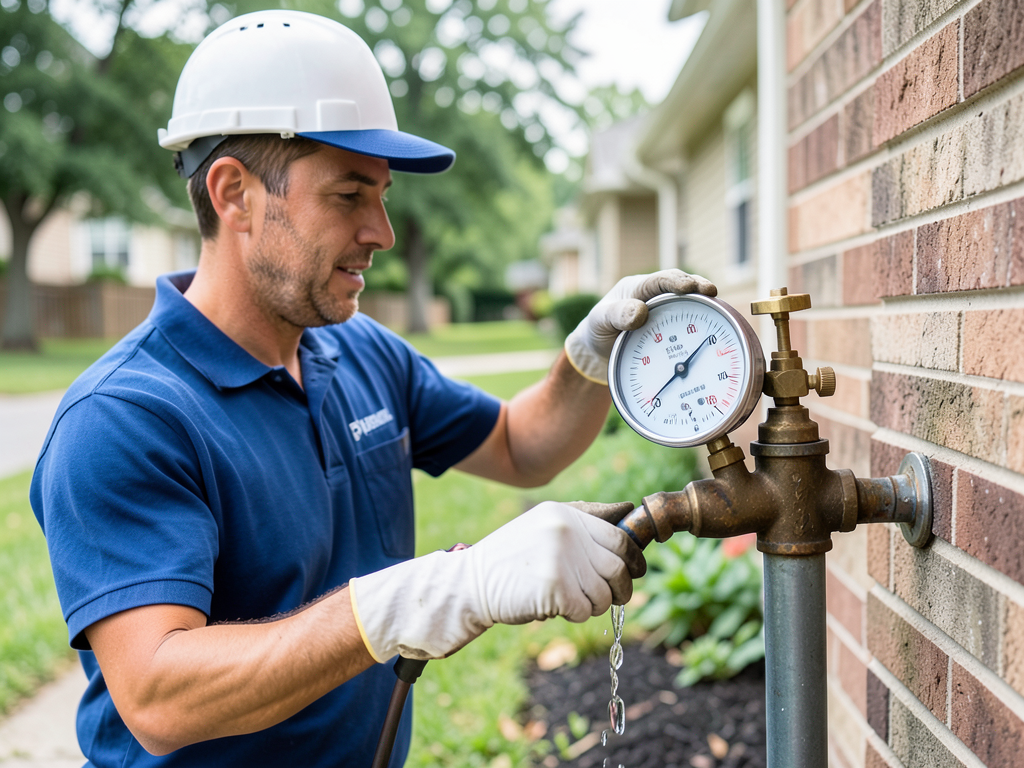
You can purchase an inexpensive water pressure gauge at most hardware stores for under $15. Attach it to an outdoor spigot or laundry sink faucet to measure your home’s water pressure.
Normal residential water pressure ranges from 40 to 80 PSI (pounds per square inch). If your reading is below 40 PSI, you have a legitimate pressure problem. If it’s above 80 PSI, your pressure reducing valve may be failing or missing entirely.
Take readings at different times of day, as pressure can fluctuate based on neighborhood water demand.
Step 4: Inspect the Pressure Reducing Valve
If your home has a PRV, locate it and check the pressure gauge (if equipped). The adjustment screw on top can be turned clockwise to increase pressure or counterclockwise to decrease it.
Make small adjustments (quarter turns) and test the pressure after each change. If adjusting the PRV doesn’t improve pressure, or if you hear water running when all fixtures are off, the valve may need replacement.
PRVs typically last 7-12 years in Folsom’s water conditions. If yours is older, replacement might be necessary.
When to Call a Professional Plumber
While many low water pressure issues can be resolved with DIY troubleshooting, some problems require professional expertise and equipment. Here are situations where you should contact a licensed plumber:
If you’ve tried the basic troubleshooting steps and still have low pressure, there may be a more serious underlying issue. This could include corroded pipes that need replacement, a failing water main, or complex valve problems.
Signs of water leaks, such as unexplained high water bills, damp spots, or mold growth, should be addressed immediately by a professional. Even small leaks can cause significant damage over time and waste thousands of gallons of water.
If you need to work on pipes inside walls, underground, or in other difficult-to-access areas, professional tools and expertise will prevent damage and ensure proper repairs.
Water heater issues that affect pressure, such as sediment buildup in the tank or failing components, require specialized knowledge to diagnose and repair safely.
Folsom-Specific Plumbing Considerations
Folsom’s unique characteristics create specific challenges for homeowners dealing with water pressure issues. Understanding these local factors can help you better diagnose and address your plumbing problems.
The city’s water supply comes from Folsom Lake and the American River, which have relatively high mineral content compared to some other sources. This means Folsom homes are more susceptible to mineral buildup in pipes and fixtures than homes in areas with softer water.
Many Folsom neighborhoods were developed during different time periods, resulting in varied plumbing infrastructure. Older areas near Historic Folsom often have galvanized steel pipes that corrode from the inside out, while newer developments typically use more modern materials like PEX or copper.
Folsom’s climate also plays a role. The hot, dry summers increase water demand for landscaping, which can temporarily reduce pressure during peak usage times. The occasional winter freezes can cause pipes to contract and expand, potentially creating small leaks that affect pressure.
The city’s topography, with varying elevations throughout Folsom, means some homes may naturally experience lower pressure due to their location relative to water towers and pumping stations.
Preventing Future Water Pressure Problems
Once you’ve resolved your current water pressure issue, there are several steps you can take to prevent future problems and maintain optimal water flow in your Folsom home.
Consider installing a water softener if you have hard water. This won’t fix existing pipe buildup, but it will prevent new mineral deposits from forming. Water softeners can extend the life of your plumbing fixtures and improve soap lathering and cleaning effectiveness.
Schedule annual plumbing inspections to catch potential issues before they become major problems. A professional can check for early signs of pipe corrosion, valve wear, and other issues that might affect water pressure.
Flush your water heater annually to remove sediment buildup. This not only helps maintain water pressure but also improves your water heater’s efficiency and extends its lifespan.
Replace old plumbing fixtures with newer, water-efficient models. Modern fixtures are designed to provide good pressure while using less water, and they’re less prone to mineral buildup than older models.
Monitor your water bill for unexplained increases, which could indicate hidden leaks that are gradually reducing your water pressure.
Cost Considerations for Water Pressure Repairs
The cost to fix low water pressure in Folsom homes varies widely depending on the cause and required repairs. Simple fixes like cleaning aerators or adjusting a PRV might cost nothing if you do it yourself, while more complex repairs can run several hundred dollars.
Replacing a pressure reducing valve typically costs between $350 and $550, including parts and labor. This is a common repair in Folsom homes where PRVs have reached the end of their service life.
Flushing or replacing water supply lines due to mineral buildup can cost $1,000 to $3,000 depending on the extent of the work and your home’s layout. This is more common in older Folsom neighborhoods with galvanized pipes.
Locating and repairing hidden leaks can cost $200 to $1,000 depending on the leak’s location and severity. Emergency leak repairs often cost more due to after-hours service charges. Fast Emergency Plumbers in Midtown Sacramento for After Hours Repairs.
Installing a water softener system costs $1,200 to $2,500 but can prevent many future water pressure issues related to mineral buildup.
Frequently Asked Questions
Why is my water pressure fine in the morning but low in the afternoon?
This pattern typically indicates high neighborhood water demand during peak hours. Folsom residents often water lawns and gardens in the afternoon, creating temporary pressure drops. If the problem occurs consistently at certain times, it’s likely a supply issue rather than a problem within your home.
Can low water pressure damage my plumbing?
Low water pressure itself doesn’t typically damage plumbing, but it can be a symptom of problems that might cause damage. For example, a hidden leak causing low pressure can lead to water damage, mold growth, and structural issues if left unaddressed.
How long do pressure reducing valves last in Folsom’s water conditions?
In Folsom’s water conditions, PRVs typically last 7-12 years. The mineral content in local water can cause valves to seize or fail more quickly than in areas with softer water. If your PRV is over 10 years old and you’re experiencing pressure issues, replacement is often the most cost-effective solution.
Should I try to increase my water pressure if it’s only slightly low?
If your pressure is within the normal range (40-80 PSI) but on the lower end, it’s usually best to leave it as is. Excessively high water pressure can damage fixtures, cause leaks, and waste water. If you’re concerned about pressure for specific uses like showering, consider installing a pressure-boosting showerhead rather than increasing whole-house pressure.
Does the City of Folsom offer any assistance for water pressure issues?
The City of Folsom Water Division can help determine if the problem is on their side of the water meter. They may adjust the main valve serving your home or investigate municipal supply issues. However, once water passes through your meter, all plumbing on your property is your responsibility to maintain and repair.
- Purchase a Pressure Gauge
Buy an inexpensive water pressure gauge from a hardware store. These typically cost under $15 and attach to standard hose threads.
- Locate a Test Point
Find an outdoor spigot or laundry sink faucet to test. Make sure no water is being used anywhere else in the house during testing.
- Attach and Read
Attach the gauge and turn the water on full force. Read the pressure on the gauge’s dial. Normal pressure is 40-80 PSI.
- Test Multiple Times
Test at different times of day, as pressure can vary based on neighborhood demand. Take an average of several readings.
Conclusion
Low water pressure in your Folsom home can be frustrating, but understanding the common causes and following systematic troubleshooting steps can help you identify and often resolve the problem. Whether it’s a simple fix like cleaning an aerator or a more complex issue requiring professional repair, addressing water pressure problems promptly will improve your daily comfort and protect your home’s plumbing system.
Remember that Folsom’s unique water characteristics, including mineral content and supply sources, create specific challenges for local homeowners. If you’ve tried the DIY solutions outlined in this guide and still experience low water pressure, don’t hesitate to contact a licensed Folsom plumber who understands the local water system and common regional plumbing issues.
Call (209) 260-0077 today to schedule your inspection and restore strong, reliable water pressure to your Folsom home. Our experienced technicians can quickly diagnose the cause of your low water pressure and provide effective, lasting solutions.
You may also find this helpful. Protecting Your Antelope Backyard with Proper Outdoor Faucet and Hose Bib Maintenance.
{
“@context”: “https://schema.org”,
“@type”: “BlogPosting”,
“headline”: “Why Your Folsom Home Has Low Water Pressure (And How to Fix It)”,
“description”: “Discover the common causes of low water pressure in Folsom homes and learn DIY troubleshooting steps before calling a professional plumber.”,
“wordCount”: 2467,
“datePublished”: “2026-03-06T16:43:00.000Z”,
“dateModified”: “2026-03-06T16:43:00.000Z”,
“inLanguage”: “en-US”,
“mainEntityOfPage”: {
“@type”: “WebPage”,
“@id”: “https://apexplumbingsacramento.com”
},
“publisher”: {
“@type”: “LocalBusiness”,
“name”: “Apex Plumbing Sacramento”,
“url”: “https://apexplumbingsacramento.com”
},
“author”: {
“@type”: “Organization”,
“name”: “Apex Plumbing Sacramento”,
“url”: “https://apexplumbingsacramento.com”
},
“image”: {
“@type”: “ImageObject”,
“url”: “https://apexplumbingsacramento.com/wp-content/uploads/2026/03/why-your-folsom-home-has-low-water-pressure-and-ho-1.png”
}
}
{
“@context”: “https://schema.org”,
“@type”: “Plumber”,
“name”: “Apex Plumbing Sacramento”,
“url”: “https://apexplumbingsacramento.com”,
“address”: {
“@type”: “PostalAddress”,
“addressLocality”: “Sacramento”
},
“areaServed”: {
“@type”: “City”,
“name”: “Sacramento”
}
}
{
“@context”: “https://schema.org”,
“@type”: “FAQPage”,
“mainEntity”: [
{
“@type”: “Question”,
“name”: “Is the Problem City-Wide or Just Your Home?”,
“acceptedAnswer”: {
“@type”: “Answer”,
“text”: “The first step in troubleshooting low water pressure is determining whether the issue affects your entire neighborhood or just your property. Folsom’s water system is managed by the City of Folsom Water Division, and they occasionally perform maintenance or experience supply issues that can temporarily reduce pressure throughout the city. The Best Water Heater Replacement Options for North Natomas Homeowners.”
}
},
{
“@type”: “Question”,
“name”: “Why is my water pressure fine in the morning but low in the afternoon?”,
“acceptedAnswer”: {
“@type”: “Answer”,
“text”: “This pattern typically indicates high neighborhood water demand during peak hours. Folsom residents often water lawns and gardens in the afternoon, creating temporary pressure drops. If the problem occurs consistently at certain times, it’s likely a supply issue rather than a problem within your home.”
}
},
{
“@type”: “Question”,
“name”: “Can low water pressure damage my plumbing?”,
“acceptedAnswer”: {
“@type”: “Answer”,
“text”: “Low water pressure itself doesn’t typically damage plumbing, but it can be a symptom of problems that might cause damage. For example, a hidden leak causing low pressure can lead to water damage, mold growth, and structural issues if left unaddressed.”
}
},
{
“@type”: “Question”,
“name”: “How long do pressure reducing valves last in Folsom’s water conditions?”,
“acceptedAnswer”: {
“@type”: “Answer”,
“text”: “In Folsom’s water conditions, PRVs typically last 7-12 years. The mineral content in local water can cause valves to seize or fail more quickly than in areas with softer water. If your PRV is over 10 years old and you’re experiencing pressure issues, replacement is often the most cost-effective solution.”
}
},
{
“@type”: “Question”,
“name”: “Should I try to increase my water pressure if it’s only slightly low?”,
“acceptedAnswer”: {
“@type”: “Answer”,
“text”: “If your pressure is within the normal range (40-80 PSI) but on the lower end, it’s usually best to leave it as is. Excessively high water pressure can damage fixtures, cause leaks, and waste water. If you’re concerned about pressure for specific uses like showering, consider installing a pressure-boosting showerhead rather than increasing whole-house pressure.”
}
},
{
“@type”: “Question”,
“name”: “Does the City of Folsom offer any assistance for water pressure issues?”,
“acceptedAnswer”: {
“@type”: “Answer”,
“text”: “The City of Folsom Water Division can help determine if the problem is on their side of the water meter. They may adjust the main valve serving your home or investigate municipal supply issues. However, once water passes through your meter, all plumbing on your property is your responsibility to maintain and repair.”
}
}
]
}
{
“@context”: “https://schema.org”,
“@type”: “HowTo”,
“name”: “How to Test Your Water Pressure”,
“step”: [
{
“@type”: “HowToStep”,
“position”: 1,
“name”: “Purchase a Pressure Gauge”,
“text”: “Buy an inexpensive water pressure gauge from a hardware store. These typically cost under $15 and attach to standard hose threads.”
},
{
“@type”: “HowToStep”,
“position”: 2,
“name”: “Locate a Test Point”,
“text”: “Find an outdoor spigot or laundry sink faucet to test. Make sure no water is being used anywhere else in the house during testing.”
},
{
“@type”: “HowToStep”,
“position”: 3,
“name”: “Attach and Read”,
“text”: “Attach the gauge and turn the water on full force. Read the pressure on the gauge’s dial. Normal pressure is 40-80 PSI.”
},
{
“@type”: “HowToStep”,
“position”: 4,
“name”: “Test Multiple Times”,
“text”: “Test at different times of day, as pressure can vary based on neighborhood demand. Take an average of several readings.”
}
],
“image”: “https://apexplumbingsacramento.com/wp-content/uploads/2026/03/why-your-folsom-home-has-low-water-pressure-and-ho-1.png”
}
{
“@context”: “https://schema.org”,
“@type”: “BreadcrumbList”,
“itemListElement”: [
{
“@type”: “ListItem”,
“position”: 1,
“name”: “Home”,
“item”: “https://apexplumbingsacramento.com”
},
{
“@type”: “ListItem”,
“position”: 2,
“name”: “Blog”,
“item”: “https://apexplumbingsacramento.com/blog”
},
{
“@type”: “ListItem”,
“position”: 3,
“name”: “Why Your Folsom Home Has Low Water Pressure (And How to Fix It)”
}
]
}
{
“@context”: “https://schema.org”,
“@type”: “Service”,
“serviceType”: “Plumbing”,
“provider”: {
“@type”: “LocalBusiness”,
“name”: “Apex Plumbing Sacramento”,
“url”: “https://apexplumbingsacramento.com”
},
“areaServed”: {
“@type”: “City”,
“name”: “Sacramento”
},
“description”: “Discover the common causes of low water pressure in Folsom homes and learn DIY troubleshooting steps before calling a professional plumber.”
}