
Why Your Water Heater is Making Weird Popping Noises in Sierra Oaks
Your water heater is trying to tell you something. That popping noise coming from your basement or garage isn’t just annoying—it’s a warning sign that sediment is building up inside your tank. In Sierra Oaks, where Sacramento’s hard water flows through older plumbing systems, this is one of the most common issues we see in homes built before 2000. The Best Water Heater Replacement Options for North Natomas Homeowners.
The popping sound happens when steam bubbles form under layers of mineral sediment at the bottom of your tank. As Sacramento’s water heats up, those bubbles try to escape through the sediment, creating that distinctive popping or crackling noise. Think of it like water boiling under a layer of rocks—the steam has to force its way through, and that’s what you’re hearing.. Read more about What to Do When Your Water Heater Expansion Tank Starts Leaking in Parkway.
Here’s what you need to know right now: That popping noise is caused by sediment buildup from Sacramento’s hard water. It’s not immediately dangerous, but it’s reducing your heater’s efficiency and could lead to premature failure if left untreated. The good news is that in most cases, a simple flush can fix the problem and extend your water heater’s life by several years.
Why Is My Water Heater Making a Popping Sound?
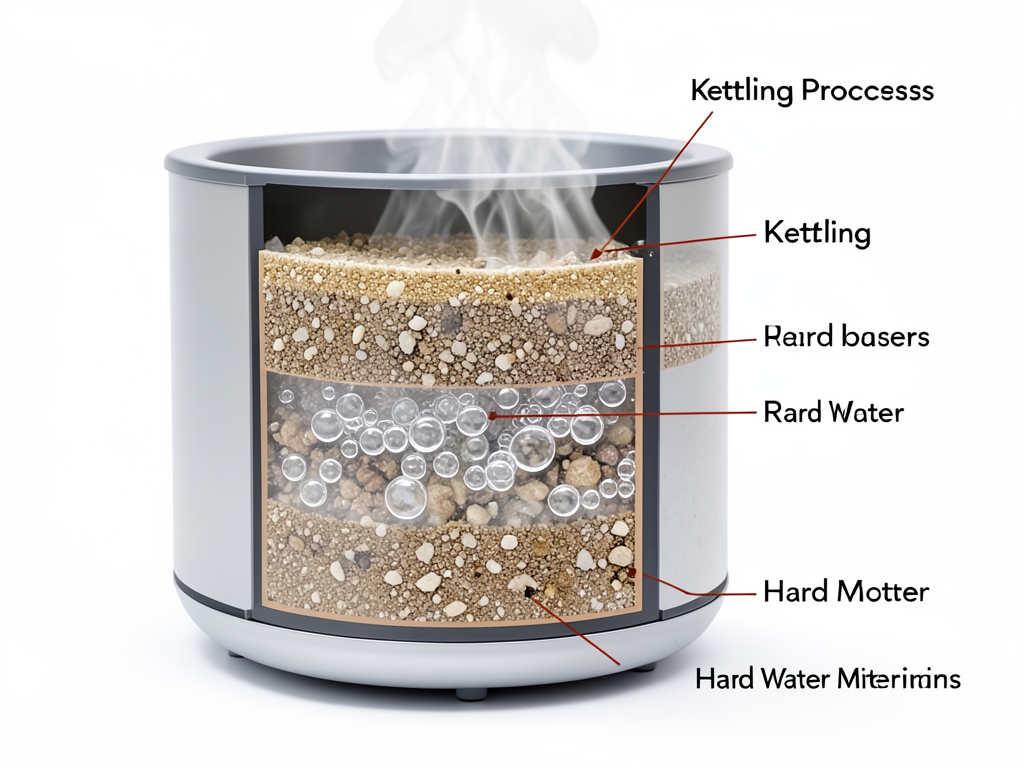
The science behind the popping noise is called “kettling.” Here’s what’s actually happening inside your tank: Sacramento’s water contains high levels of calcium and magnesium—what we call “hard water.” When this water is heated repeatedly, these minerals settle to the bottom of your tank and form a layer of sediment.. Read more about Choosing the Right Heat Pump Water Heater for Your Sutterville Heights Home — SMUD Rebates Explained.
As your water heater works to warm more water, the burners or heating elements at the bottom of the tank heat this sediment layer. Water trapped beneath the sediment turns to steam, but it can’t escape easily. When enough pressure builds up, the steam bursts through the sediment layer, creating that popping sound you hear.. Read more about How to Get Instant Hot Water in Shingle Springs Using a Recirculating Pump.
In Sierra Oaks homes, we often find that water heaters in houses built between 1960 and 1990 have the worst sediment buildup. These older tanks have been dealing with Sacramento’s mineral-rich water for decades, and many haven’t been flushed regularly.. Read more about Heat Pump vs Tankless Water Heaters for Broadstone Families Looking to Go Electric.
Is a Popping Water Heater Dangerous?
While the popping noise itself isn’t an emergency, it’s a sign that your water heater is working harder than it should. This extra strain can lead to several problems over time: Fast Emergency Plumbers in Midtown Sacramento for After Hours Repairs.
- Reduced efficiency means higher energy bills
- Overheating can damage the tank’s lining
- Pressure buildup could stress the temperature and pressure relief valve
- Eventually, the tank could rust through and leak
The real danger comes when sediment buildup gets severe enough to cause the tank to overheat. In extreme cases, this can lead to the tank’s lining cracking or the pressure relief valve failing. That’s why we recommend addressing popping noises as soon as you notice them.
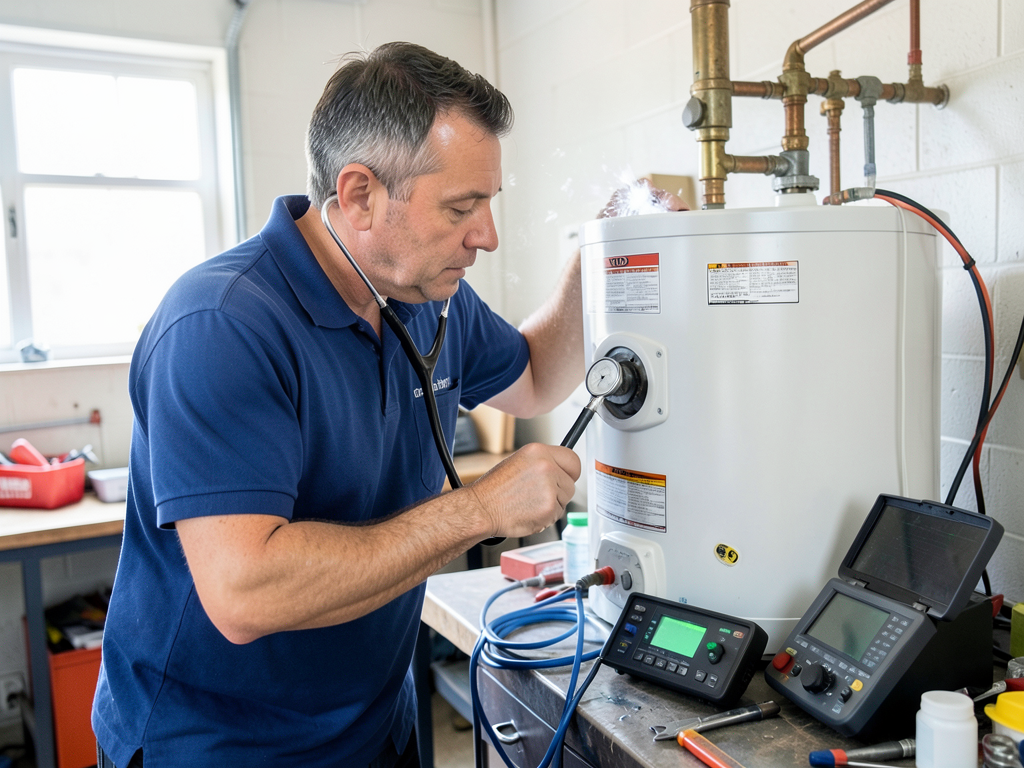
During our inspections in Sierra Oaks, we use a simple diagnostic test: we listen to the water heater with a mechanic’s stethoscope. A healthy tank should run quietly. If we hear popping, crackling, or rumbling, we know sediment is present and needs to be addressed. Plumbing Inspection Checklist.
The Sacramento Hard Water Factor
Sacramento’s water hardness is one of the highest in California, measuring between 12-18 grains per gallon (gpg) in most areas. For comparison, water is considered “hard” at just 7 gpg. This high mineral content comes from the Sierra Nevada snowpack runoff and local well water that feeds our municipal system.
In Sierra Oaks specifically, homes near the American River tend to have slightly softer water, while properties in the higher elevations of the neighborhood experience the full brunt of Sacramento’s hard water. This variation means some homes in the area need more frequent maintenance than others.
The California Plumbing Code (CPC Section 608.1) requires water heaters to be installed with proper earthquake bracing, but it doesn’t mandate regular maintenance. However, the Uniform Plumbing Code (UPC) recommends annual flushing to prevent sediment buildup and maintain efficiency. Uniform Plumbing Code.
According to Sacramento County Water Agency data, the average water heater in our area accumulates sediment 2-3 times faster than in softer water regions. This means a 10-year-old tank in Sierra Oaks likely has several inches of sediment at the bottom—enough to significantly impact performance.
How to Flush Your Water Heater (Step-by-Step Guide)
If you’re comfortable with basic home maintenance, you can try flushing your water heater yourself. Here’s the process we recommend for Sierra Oaks homeowners:
- Turn Off Power or Gas
For electric heaters, switch off the circuit breaker. For gas models, turn the gas valve to “pilot.” This prevents accidents while you’re working on the tank.
- Connect a Garden Hose
Attach a standard garden hose to the drain valve at the bottom of the tank. Run the other end to a floor drain or outside where the hot water won’t cause damage.
- Open Hot Water Faucets
Turn on a hot water faucet somewhere in your house. This prevents a vacuum from forming in the pipes and helps the tank drain faster.
- Drain the Tank
Open the drain valve and let the water flow out. You’ll likely see cloudy, discolored water at first—that’s the sediment coming out.
- Flush with Cold Water
Once the tank is empty, briefly turn the cold water supply back on to stir up remaining sediment, then drain again. Repeat until the water runs clear.
- Refill and Restart
Close the drain valve, remove the hose, and turn the cold water supply back on. Once the tank is full, restore power or gas to the heater.
Important safety note: The water coming out of your heater will be extremely hot—around 120-140 degrees Fahrenheit. Use caution and wear protective gloves. Also, if your home in Sierra Oaks was built before 1980, check for lead pipes before attempting any DIY plumbing work. How to Spot a Slab Leak in Your Land Park Home Before It Causes Serious Damage.
When to Call a Professional Sacramento Plumber
While flushing can help with sediment, there are times when you need professional help. Here are the warning signs that indicate it’s time to call Apex Plumbing: Plumbing Rio Linda.
- Your water heater is over 10 years old and making popping noises
- You notice rusty water coming from your hot water taps
- The popping sound is accompanied by leaking around the base of the tank
- Your energy bills have increased significantly without explanation
- You’ve tried flushing but the noise persists
In Sierra Oaks, we often encounter older homes with galvanized steel pipes that complicate DIY repairs. These pipes can corrode internally, making it difficult to drain the tank completely or causing valves to seize up during maintenance. EPA WaterSense.
Professional service includes a comprehensive inspection of your entire water heater system. We check the anode rod (which prevents tank corrosion), inspect the pressure relief valve, and examine the burner assembly or heating elements. This thorough approach helps identify problems before they become emergencies.
The cost of a professional flush in Sacramento typically ranges from $150-$300, depending on your specific situation. Compare that to the $1,200-$2,500 cost of replacing a failed water heater, and regular maintenance becomes a smart investment.
Traditional Tank vs. Tankless: Which Works Better in Sacramento?
Homeowners in Sierra Oaks often ask us about switching to tankless water heaters, especially when dealing with sediment issues. Here’s how they compare in our local conditions:
| Feature | Traditional Tank Heater | Tankless Heater |
|---|---|---|
| Sediment Buildup | High (needs annual flushing) | Minimal (no tank to accumulate sediment) |
| Hard Water Impact | Severe (reduces lifespan by 3-5 years) | Moderate (affects heat exchanger) |
| Initial Cost | $800-$1,500 | $2,500-$4,500 |
| Energy Efficiency | 60-70% | 85-95% |
| Lifespan in Sacramento | 8-12 years | 15-20 years |
For Sierra Oaks homes, tankless heaters can be an excellent solution because they eliminate the sediment problem entirely. However, they require proper sizing for your household’s hot water demand and may need upgraded gas lines or electrical service.
If you’re not ready to replace your current heater, consider installing a water softener. This can reduce sediment buildup by up to 80% and extend your water heater’s life significantly. The California Energy Commission estimates that water softeners can improve water heater efficiency by 20-30% in hard water areas.
Frequently Asked Questions
How often should I flush my water heater in Sacramento?
Due to our high mineral content, we recommend flushing your water heater annually. Homes in Sierra Oaks with older plumbing might benefit from twice-yearly flushing to prevent severe sediment buildup.
Can sediment cause my water heater to make other noises?
Yes. Besides popping, sediment can cause rumbling, crackling, or even high-pitched whistling sounds. Each noise indicates a different stage of sediment buildup and potential problems developing inside the tank.
Will a popping water heater increase my utility bills?
Absolutely. Sediment acts as insulation between the heat source and the water, forcing your heater to run longer to achieve the same temperature. This can increase energy consumption by 20-30%.
How much does professional water heater maintenance cost in Sacramento?
Professional maintenance, including flushing, inspection, and testing of safety components, typically costs $150-$300 in the Sacramento area. This is significantly less than emergency repairs or premature replacement.
Can I prevent sediment buildup without flushing?
Installing a whole-house water softener is the most effective prevention method. For existing tanks, regular flushing is still necessary even with a softener, though the frequency can be reduced to every 2-3 years.
Protect Your Sierra Oaks Home from Water Heater Problems
The popping noise in your water heater isn’t just an annoyance—it’s a sign that your home’s most important appliance is struggling. In Sierra Oaks, where Sacramento’s hard water puts extra stress on plumbing systems, staying ahead of maintenance can save you thousands in emergency repairs and premature replacements.
At Apex Plumbing, we’ve been helping Sacramento homeowners since 2010 with exactly these kinds of problems. Our technicians know the specific challenges that Sierra Oaks homes face, from aging galvanized pipes to the effects of our mineral-rich water supply.
Don’t wait until that popping noise turns into a flooded basement or cold showers. A simple inspection can tell us whether your water heater needs a flush, repairs, or replacement. We’ll give you honest recommendations based on your specific situation and budget.
Call (209) 260-0077 today to schedule your water heater inspection. Our team is ready to help you get your water heater running quietly and efficiently again. Whether you need a simple flush or are considering upgrading to a tankless system, we’ll provide clear options and upfront pricing.
Remember, that popping sound won’t fix itself. The longer you wait, the more damage sediment can cause to your tank. Pick up the phone and call (209) 260-0077 before the next cold morning leaves you without hot water.
Apex Plumbing serves all of Sierra Oaks and the greater Sacramento area with emergency plumbing services, water heater repair and replacement, and preventative maintenance. We’re licensed, insured, and committed to keeping your home’s plumbing system running smoothly.
California State License Board #1034721
You may also find this helpful. Why Your Shared Walls in a Midtown Duplex Lead to Strange Plumbing Noises.
{
“@context”: “https://schema.org”,
“@type”: “BlogPosting”,
“headline”: “Why Your Water Heater is Making Weird Popping Noises in Sierra Oaks”,
“description”: “Is your water heater making popping noises? Learn why Sacramento’s hard water causes sediment buildup and what it means for your Sierra Oaks home.”,
“wordCount”: 1838,
“datePublished”: “2026-04-13T11:22:00.000Z”,
“dateModified”: “2026-04-13T11:22:00.000Z”,
“inLanguage”: “en-US”,
“mainEntityOfPage”: {
“@type”: “WebPage”,
“@id”: “https://apexplumbingsacramento.com”
},
“publisher”: {
“@type”: “LocalBusiness”,
“name”: “Apex Plumbing Sacramento”,
“url”: “https://apexplumbingsacramento.com”
},
“author”: {
“@type”: “Organization”,
“name”: “Apex Plumbing Sacramento”,
“url”: “https://apexplumbingsacramento.com”
},
“image”: {
“@type”: “ImageObject”,
“url”: “https://apexplumbingsacramento.com/wp-content/uploads/2026/03/why-your-water-heater-is-making-weird-popping-nois-1.png”
}
}
{
“@context”: “https://schema.org”,
“@type”: “Plumber”,
“name”: “Apex Plumbing Sacramento”,
“url”: “https://apexplumbingsacramento.com”,
“address”: {
“@type”: “PostalAddress”,
“addressLocality”: “Sacramento”
},
“areaServed”: {
“@type”: “City”,
“name”: “Sacramento”
}
}
{
“@context”: “https://schema.org”,
“@type”: “FAQPage”,
“mainEntity”: [
{
“@type”: “Question”,
“name”: “Is a Popping Water Heater Dangerous?”,
“acceptedAnswer”: {
“@type”: “Answer”,
“text”: “While the popping noise itself isn’t an emergency, it’s a sign that your water heater is working harder than it should. This extra strain can lead to several problems over time: Fast Emergency Plumbers in Midtown Sacramento for After Hours Repairs.”
}
},
{
“@type”: “Question”,
“name”: “How often should I flush my water heater in Sacramento?”,
“acceptedAnswer”: {
“@type”: “Answer”,
“text”: “Due to our high mineral content, we recommend flushing your water heater annually. Homes in Sierra Oaks with older plumbing might benefit from twice-yearly flushing to prevent severe sediment buildup.”
}
},
{
“@type”: “Question”,
“name”: “Can sediment cause my water heater to make other noises?”,
“acceptedAnswer”: {
“@type”: “Answer”,
“text”: “Yes. Besides popping, sediment can cause rumbling, crackling, or even high-pitched whistling sounds. Each noise indicates a different stage of sediment buildup and potential problems developing inside the tank.”
}
},
{
“@type”: “Question”,
“name”: “Will a popping water heater increase my utility bills?”,
“acceptedAnswer”: {
“@type”: “Answer”,
“text”: “Absolutely. Sediment acts as insulation between the heat source and the water, forcing your heater to run longer to achieve the same temperature. This can increase energy consumption by 20-30%.”
}
},
{
“@type”: “Question”,
“name”: “How much does professional water heater maintenance cost in Sacramento?”,
“acceptedAnswer”: {
“@type”: “Answer”,
“text”: “Professional maintenance, including flushing, inspection, and testing of safety components, typically costs $150-$300 in the Sacramento area. This is significantly less than emergency repairs or premature replacement.”
}
},
{
“@type”: “Question”,
“name”: “Can I prevent sediment buildup without flushing?”,
“acceptedAnswer”: {
“@type”: “Answer”,
“text”: “Installing a whole-house water softener is the most effective prevention method. For existing tanks, regular flushing is still necessary even with a softener, though the frequency can be reduced to every 2-3 years.”
}
}
]
}
{
“@context”: “https://schema.org”,
“@type”: “HowTo”,
“name”: “How to Flush a Water Heater”,
“step”: [
{
“@type”: “HowToStep”,
“position”: 1,
“name”: “Turn Off Power or Gas”,
“text”: “For electric heaters, switch off the circuit breaker. For gas models, turn the gas valve to \”pilot.\” This prevents accidents while you’re working on the tank.”
},
{
“@type”: “HowToStep”,
“position”: 2,
“name”: “Connect a Garden Hose”,
“text”: “Attach a standard garden hose to the drain valve at the bottom of the tank. Run the other end to a floor drain or outside where the hot water won’t cause damage.”
},
{
“@type”: “HowToStep”,
“position”: 3,
“name”: “Open Hot Water Faucets”,
“text”: “Turn on a hot water faucet somewhere in your house. This prevents a vacuum from forming in the pipes and helps the tank drain faster.”
},
{
“@type”: “HowToStep”,
“position”: 4,
“name”: “Drain the Tank”,
“text”: “Open the drain valve and let the water flow out. You’ll likely see cloudy, discolored water at first—that’s the sediment coming out.”
},
{
“@type”: “HowToStep”,
“position”: 5,
“name”: “Flush with Cold Water”,
“text”: “Once the tank is empty, briefly turn the cold water supply back on to stir up remaining sediment, then drain again. Repeat until the water runs clear.”
},
{
“@type”: “HowToStep”,
“position”: 6,
“name”: “Refill and Restart”,
“text”: “Close the drain valve, remove the hose, and turn the cold water supply back on. Once the tank is full, restore power or gas to the heater.”
}
],
“image”: “https://apexplumbingsacramento.com/wp-content/uploads/2026/03/why-your-water-heater-is-making-weird-popping-nois-1.png”
}
{
“@context”: “https://schema.org”,
“@type”: “BreadcrumbList”,
“itemListElement”: [
{
“@type”: “ListItem”,
“position”: 1,
“name”: “Home”,
“item”: “https://apexplumbingsacramento.com”
},
{
“@type”: “ListItem”,
“position”: 2,
“name”: “Blog”,
“item”: “https://apexplumbingsacramento.com/blog”
},
{
“@type”: “ListItem”,
“position”: 3,
“name”: “Why Your Water Heater is Making Weird Popping Noises in Sierra Oaks”
}
]
}
{
“@context”: “https://schema.org”,
“@type”: “Service”,
“serviceType”: “Plumbing”,
“provider”: {
“@type”: “LocalBusiness”,
“name”: “Apex Plumbing Sacramento”,
“url”: “https://apexplumbingsacramento.com”
},
“areaServed”: {
“@type”: “City”,
“name”: “Sacramento”
},
“description”: “Is your water heater making popping noises? Learn why Sacramento’s hard water causes sediment buildup and what it means for your Sierra Oaks home.”
}