
Why Your Natomas Sump Pump Needs a Battery Backup Before the Next Power Outage
Living in Natomas means your home sits in a flood-prone area where the American River and Sacramento River Delta create unique drainage challenges. When heavy storms hit Sacramento during the rainy season from October through March, your standard sump pump becomes your first line of defense against basement flooding. But here’s the critical problem: when the power goes out during these storms, your sump pump stops working exactly when you need it most. A battery backup system keeps your pump running during outages, protecting your home from thousands of dollars in water damage. Sacramento Municipal Utility District (SMUD).
The Sacramento area experiences an average of 20-30 power outages annually, with the highest frequency occurring during winter storm systems. These outages often coincide with the heaviest rainfall, creating a perfect storm scenario where your basement is most vulnerable. Without a battery backup, you’re essentially gambling with your home’s foundation, flooring, and valuable possessions stored in lower levels.
How Sacramento’s Storm Patterns Create Sump Pump Emergencies
Natomas sits in a bowl-shaped area where water naturally collects. The soil composition in this region includes clay-heavy materials that drain slowly, putting additional stress on your sump pump system. During atmospheric river events, which dump several inches of rain in just hours, the ground becomes saturated quickly. Your primary sump pump works overtime to keep up, but when the electricity fails, the backup system becomes your only protection. The Best Water Heater Replacement Options for North Natomas Homeowners.
The Sacramento Municipal Utility District (SMUD) reports that winter storms cause the majority of their weather-related outages. These typically last anywhere from 2 to 12 hours, but severe events can extend outages to 24 hours or more. During this time, water continues to accumulate around your foundation, and without power, your pump cannot remove it.
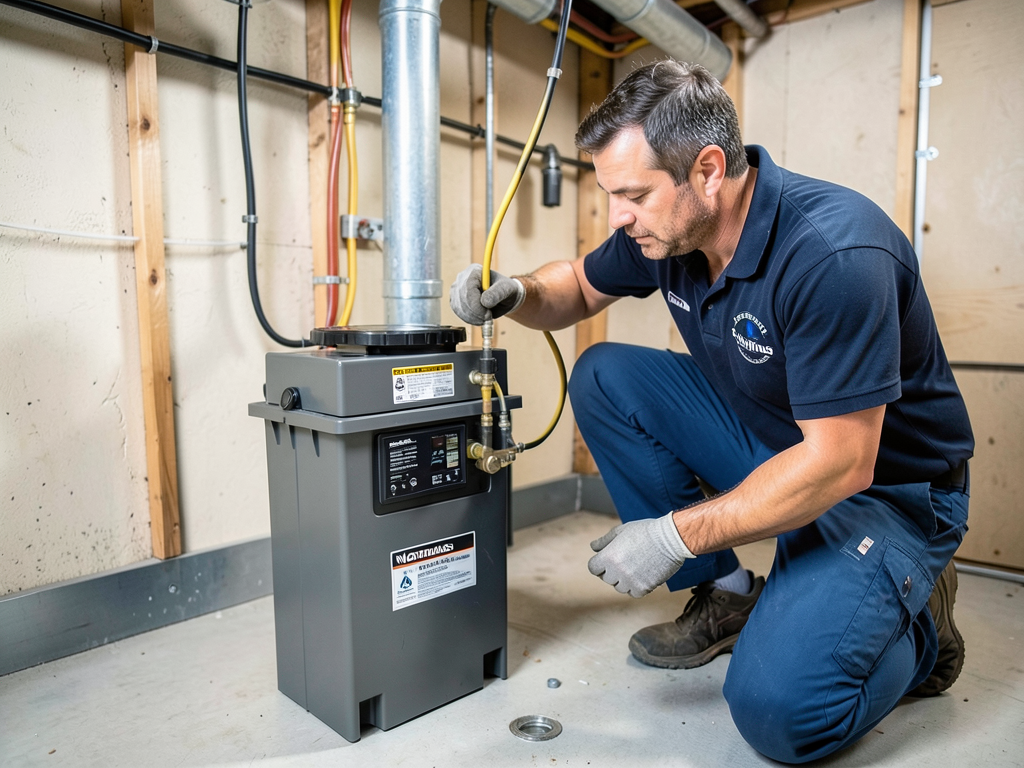
Diagram showing how a sump pump battery backup system activates during a power outage, with arrows indicating water flow and battery operation
Types of Battery Backup Systems Available for Sacramento Homes
Understanding your options helps you make the right choice for your specific situation. The three main types of battery backup systems each offer different advantages for Natomas homeowners.
AC/DC Powered Systems automatically switch to battery power when the main electrical supply fails. These systems use a deep-cycle marine battery that provides 6-8 hours of continuous pumping during an outage. The inverter technology ensures your pump maintains the same flow rate whether running on grid power or battery power.
Dual-Pump Systems combine your primary electric pump with a secondary battery-powered pump. The battery pump activates automatically when the primary pump cannot keep up with water volume or when power fails. This setup provides both overflow protection and outage protection in one unit.
Smart-Monitoring Systems represent the newest technology, offering Wi-Fi connectivity that sends alerts to your smartphone when the system activates or when battery levels drop. These systems can also track water volume and pump cycles, giving you detailed information about your basement’s moisture conditions.
Installation Process and What to Expect
The installation process typically takes 2-4 hours depending on your current sump pump setup. Our technicians start with a comprehensive assessment of your existing system, checking the primary pump’s age, capacity, and condition. We then evaluate your basement’s water table level and drainage patterns to determine the appropriate battery size and pump capacity.
During installation, we mount the battery backup unit adjacent to your existing sump pump basin. The system includes a controller that monitors power status and automatically switches between AC and DC power. We also install a battery charger that keeps the backup battery fully charged and ready for the next storm.
Testing is a crucial final step. We simulate a power outage to verify the backup system activates properly and pumps water at the expected rate. We also check all electrical connections and ensure the battery is properly secured and ventilated according to California electrical code requirements. California Department of Water Resources.
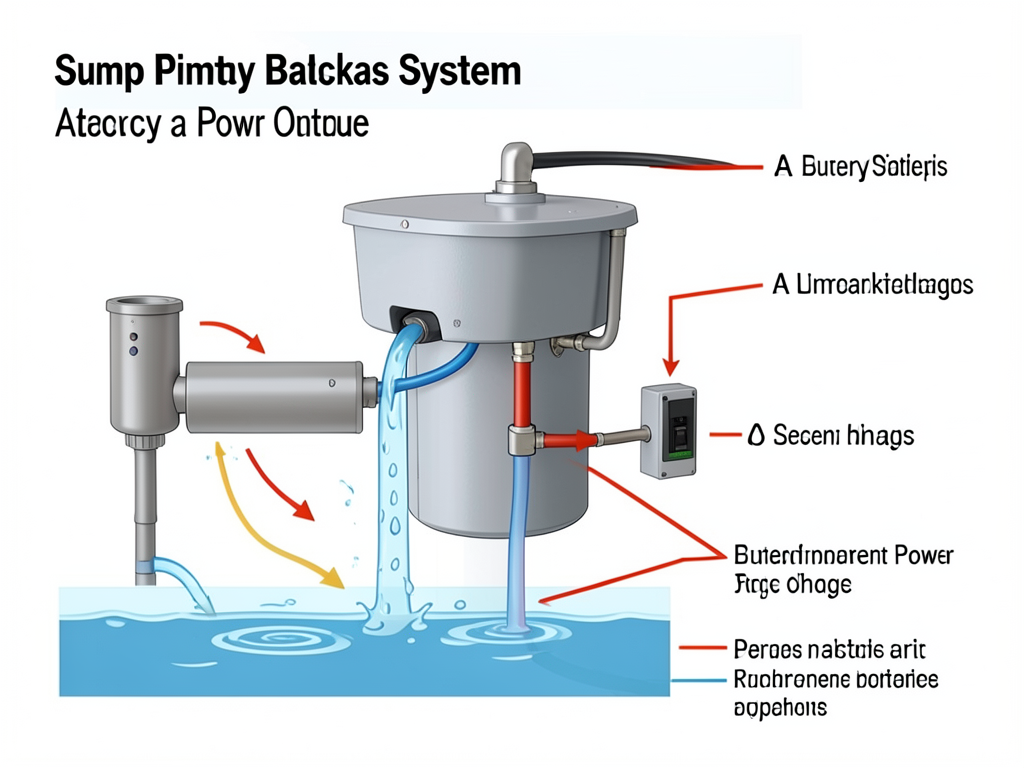
Photo of a professional plumber installing a sump pump battery backup system in a Natomas basement, showing the controller unit and battery placement
Warning Signs Your Current Backup System Needs Replacement
Most battery backup systems last 3-5 years with proper maintenance. Several warning signs indicate your system may need replacement before the next storm season arrives. How to Spot a Slab Leak in Your Land Park Home Before It Causes Serious Damage.
If your battery backup fails to activate during a test, this indicates either a dead battery or controller failure. The test involves unplugging your primary pump and pouring water into the sump basin to trigger the backup system. If nothing happens, your protection is compromised.
Age is another critical factor. Batteries degrade over time, losing their ability to hold a full charge. A battery that’s more than five years old may only provide 30-50% of its original runtime, leaving your home vulnerable during extended outages.
Physical signs of corrosion around battery terminals or unusual clicking sounds from the controller unit suggest electrical problems that could cause system failure when you need it most. The smell of burning plastic or electrical burning indicates immediate replacement is necessary.
Cost Factors and Long-Term Value
Investing in a battery backup system costs between $800 and $2,500 depending on the system type and your basement’s specific requirements. While this represents a significant upfront investment, the protection it provides against potential water damage makes it cost-effective over time.
Consider that a single flooding event can cause $5,000 to $20,000 in damage to flooring, drywall, electrical systems, and personal belongings. Many homeowners’ insurance policies have deductibles of $1,000 or more, meaning you would pay that amount out of pocket even with coverage. A battery backup system pays for itself by preventing just one flooding incident.
Maintenance costs are minimal, typically $100-200 annually for battery testing and replacement every 3-5 years. Some newer systems include self-monitoring features that alert you when maintenance is needed, eliminating guesswork about system readiness.
Local Building Codes and Requirements
According to the Sacramento County Building Code Section 1103.2, all new sump pump installations must include either a battery backup or a secondary AC-powered pump. This requirement ensures homes have redundant protection against flooding. The code also mandates that all electrical connections be made by licensed plumbers and meet National Electrical Code standards. Fast Emergency Plumbers in Midtown Sacramento for After Hours Repairs.
The California Department of Water Resources recommends battery backup systems for all homes in flood-prone areas, particularly those near the Sacramento and American Rivers. These recommendations are based on historical flooding data and the region’s susceptibility to atmospheric river events.
SMUD’s electrical safety guidelines require that all backup power systems include proper surge protection and be installed with adequate ventilation to prevent hydrogen gas buildup from battery charging. Our installations comply with all these requirements to ensure both safety and reliability.
Comparing Battery Technologies
| Feature | AGM Battery | Lithium-Ion Battery | Deep-Cycle Marine Battery |
|---|---|---|---|
| Lifespan (years) | 3-4 | 5-7 | 2-3 |
| Maintenance Required | None | None | Monthly checks |
| Weight (lbs) | 40-50 | 25-35 | 60-80 |
| Cost | $200-300 | $500-700 | $150-250 |
| Temperature Range | 32-120°F | 14-140°F | 40-100°F |
Maintenance Tips for Long-Term Reliability
Regular maintenance ensures your battery backup system will work when you need it most. Every six months, test the system by unplugging the primary pump and verifying the backup activates properly. Check battery terminals for corrosion and clean them with a mixture of baking soda and water if needed.
Replace batteries every 3-5 years regardless of apparent condition. Battery capacity degrades even when not in use, and a battery that tests at 80% capacity may only provide 30% during an actual emergency when maximum power is required.
Keep the area around your sump pump clean and free of debris. Dust and dirt can interfere with electrical connections and reduce system efficiency. Also, ensure the battery charger remains plugged in and functioning properly year-round.
Frequently Asked Questions
How long will a battery backup run during a power outage?
Most systems provide 6-8 hours of continuous pumping, which is sufficient for the majority of Sacramento power outages. Some high-capacity systems can run for 12-24 hours depending on water volume and pump usage patterns.
Do I need a battery backup if I have a generator?
Yes. Generators can fail during storms due to fuel shortages or mechanical issues. A battery backup provides independent protection that doesn’t rely on external fuel sources or manual operation.
Can I install a battery backup myself?
Professional installation is strongly recommended. Battery backup systems involve both plumbing and electrical work that must comply with local building codes. Improper installation can create safety hazards and void manufacturer warranties. Plumbing Inspection Checklist.
How much water can a battery backup system handle?
Most residential systems can pump 1,500-2,400 gallons per hour, which is sufficient for typical Sacramento storm conditions. The system activates automatically when water reaches a certain level in the sump basin.
What happens if the battery dies during an extended outage?
Most systems include low-voltage indicators that alert you when battery power is running low. Some advanced models can connect to a small solar panel or secondary power source to extend runtime during prolonged outages.
Photo showing a sump pump battery backup system with the controller display panel visible, indicating normal operation status
Don’t Wait Until It’s Too Late
The next big storm is coming to Sacramento, and power outages during these events are almost guaranteed. Your basement doesn’t have to be at risk. A properly installed battery backup system provides peace of mind and protects your home from costly water damage.
Call (209) 260-0077 today to schedule your sump pump battery backup installation. Our experienced technicians will assess your current system and recommend the best solution for your Natomas home. Don’t let the next power outage leave your basement vulnerable to flooding.
Pick up the phone and call (209) 260-0077 before the next storm hits. Your home’s protection can’t wait until after the damage occurs.
{
“@context”: “https://schema.org”,
“@type”: “BlogPosting”,
“headline”: “Why Your Natomas Sump Pump Needs a Battery Backup Before the Next Power Outage”,
“description”: “Protect your Natomas home from flooding with a sump pump battery backup. Learn why Sacramento power outages make this essential for your peace of mind.”,
“wordCount”: 1664,
“datePublished”: “2026-05-16T10:33:00.000Z”,
“dateModified”: “2026-05-16T10:33:00.000Z”,
“inLanguage”: “en-US”,
“mainEntityOfPage”: {
“@type”: “WebPage”,
“@id”: “https://apexplumbingsacramento.com”
},
“publisher”: {
“@type”: “LocalBusiness”,
“name”: “Apex Plumbing Sacramento”,
“url”: “https://apexplumbingsacramento.com”
},
“author”: {
“@type”: “Organization”,
“name”: “Apex Plumbing Sacramento”,
“url”: “https://apexplumbingsacramento.com”
},
“image”: {
“@type”: “ImageObject”,
“url”: “https://apexplumbingsacramento.com/wp-content/uploads/2026/03/why-your-natomas-sump-pump-needs-a-battery-backup-1.png”
}
}
{
“@context”: “https://schema.org”,
“@type”: “Plumber”,
“name”: “Apex Plumbing Sacramento”,
“url”: “https://apexplumbingsacramento.com”,
“address”: {
“@type”: “PostalAddress”,
“addressLocality”: “Sacramento”
},
“areaServed”: {
“@type”: “City”,
“name”: “Sacramento”
}
}
{
“@context”: “https://schema.org”,
“@type”: “FAQPage”,
“mainEntity”: [
{
“@type”: “Question”,
“name”: “How long will a battery backup run during a power outage?”,
“acceptedAnswer”: {
“@type”: “Answer”,
“text”: “Most systems provide 6-8 hours of continuous pumping, which is sufficient for the majority of Sacramento power outages. Some high-capacity systems can run for 12-24 hours depending on water volume and pump usage patterns.”
}
},
{
“@type”: “Question”,
“name”: “Do I need a battery backup if I have a generator?”,
“acceptedAnswer”: {
“@type”: “Answer”,
“text”: “Yes. Generators can fail during storms due to fuel shortages or mechanical issues. A battery backup provides independent protection that doesn’t rely on external fuel sources or manual operation.”
}
},
{
“@type”: “Question”,
“name”: “Can I install a battery backup myself?”,
“acceptedAnswer”: {
“@type”: “Answer”,
“text”: “Professional installation is strongly recommended. Battery backup systems involve both plumbing and electrical work that must comply with local building codes. Improper installation can create safety hazards and void manufacturer warranties. Plumbing Inspection Checklist.”
}
},
{
“@type”: “Question”,
“name”: “How much water can a battery backup system handle?”,
“acceptedAnswer”: {
“@type”: “Answer”,
“text”: “Most residential systems can pump 1,500-2,400 gallons per hour, which is sufficient for typical Sacramento storm conditions. The system activates automatically when water reaches a certain level in the sump basin.”
}
},
{
“@type”: “Question”,
“name”: “What happens if the battery dies during an extended outage?”,
“acceptedAnswer”: {
“@type”: “Answer”,
“text”: “Most systems include low-voltage indicators that alert you when battery power is running low. Some advanced models can connect to a small solar panel or secondary power source to extend runtime during prolonged outages.”
}
}
]
}
{
“@context”: “https://schema.org”,
“@type”: “BreadcrumbList”,
“itemListElement”: [
{
“@type”: “ListItem”,
“position”: 1,
“name”: “Home”,
“item”: “https://apexplumbingsacramento.com”
},
{
“@type”: “ListItem”,
“position”: 2,
“name”: “Blog”,
“item”: “https://apexplumbingsacramento.com/blog”
},
{
“@type”: “ListItem”,
“position”: 3,
“name”: “Why Your Natomas Sump Pump Needs a Battery Backup Before the Next Power Outage”
}
]
}
{
“@context”: “https://schema.org”,
“@type”: “Service”,
“serviceType”: “Plumbing”,
“provider”: {
“@type”: “LocalBusiness”,
“name”: “Apex Plumbing Sacramento”,
“url”: “https://apexplumbingsacramento.com”
},
“areaServed”: {
“@type”: “City”,
“name”: “Sacramento”
},
“description”: “Protect your Natomas home from flooding with a sump pump battery backup. Learn why Sacramento power outages make this essential for your peace of mind.”
}