
The Simple Part That Doubles the Life of Your Citrus Heights Water Heater
Your water heater works hard every day in Citrus Heights homes yet most homeowners never think about the one component that could double its lifespan. The anode rod sits inside your tank silently protecting it from corrosion. When this sacrificial part fails your tank begins to rust from the inside out leading to expensive leaks and premature replacement. Protecting Your Pocket-Greenhaven Home from Flooding with a New Sump Pump.
Most Citrus Heights water heaters last only 8-10 years because hard water from the Sacramento Valley accelerates corrosion. A simple anode rod replacement every 4-5 years can extend your system’s life to 15-20 years saving you thousands in replacement costs. This small investment prevents the catastrophic tank failure that leaves you without hot water and facing emergency plumbing bills. The Best Water Heater Replacement Options for North Natomas Homeowners.
Signs Your Anode Rod Needs Immediate Replacement
Several warning signs indicate your anode rod has failed and your tank is at risk. A rotten egg smell from your hot water indicates sulfur-producing bacteria feeding on the depleted rod. Rusty or discolored water coming from your taps means the tank interior is corroding. Popping or rumbling sounds during heating cycles suggest sediment buildup on the failing rod and tank bottom.. Read more about Gas vs Electric Tank Water Heaters — Which is More Cost-Effective in Roseville?.
You might also notice your water heater working harder to maintain temperature or see visible corrosion around the tank’s seams. These symptoms mean your sacrificial protection is gone and the tank itself is now deteriorating. In Citrus Heights’ hard water conditions these signs often appear within 3-4 years of installation.. Read more about Switching from a Gas to Electric Water Heater in Sacramento (Costs and Benefits).

Why Citrus Heights Hard Water Accelerates Corrosion
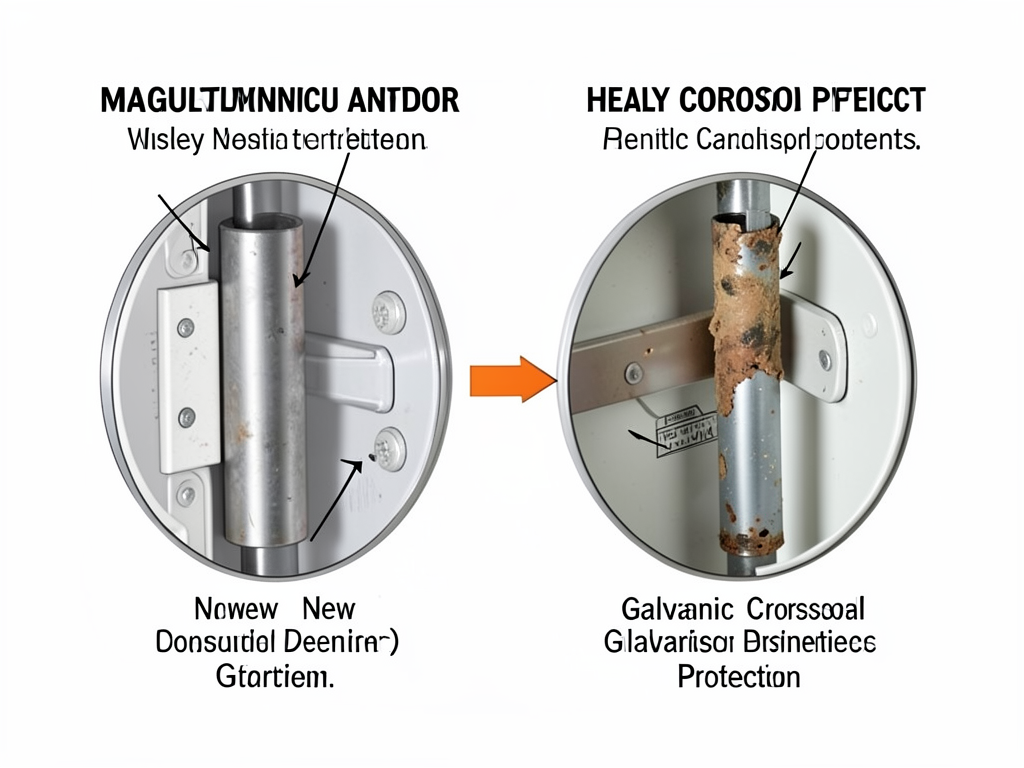
Citrus Heights sits in the Sacramento Valley where groundwater contains high mineral content. Local water hardness typically measures 12-18 grains per gallon compared to the national average of 7-10. These dissolved minerals including calcium and magnesium create electrical conductivity inside your tank that speeds up galvanic corrosion.
The Sacramento Suburban Water District reports that mineral content in local aquifers directly impacts plumbing system longevity. When electrical current flows between different metals in your water heater tank the anode rod sacrifices itself by corroding first. Once depleted the tank steel begins deteriorating leading to pinhole leaks and eventual tank failure. Plumbing Inspection Checklist.
Hard water also causes sediment to settle at your tank bottom creating hot spots that further stress the system. This combination of mineral conductivity and sediment buildup means Citrus Heights homeowners need more frequent anode inspections than homeowners in softer water regions. How to Spot a Slab Leak in Your Land Park Home Before It Causes Serious Damage.
Types of Anode Rods: Magnesium vs Aluminum vs Zinc
Choosing the right anode rod depends on your water chemistry and household needs. Magnesium rods provide the strongest protection and work best in Citrus Heights’ hard water conditions. They corrode faster than other types but offer superior tank protection. Most new water heaters come with magnesium rods for this reason.
Aluminum rods last longer than magnesium but provide less protection. They work well in extremely hard water or when sulfur odors are a problem. However aluminum can contribute to sediment buildup and may not protect your tank as effectively in moderate hard water conditions.
Zinc-aluminum combination rods help control sulfur smells while providing decent protection. Powered anode rods use electrical current instead of sacrificial metal offering permanent protection but at higher cost. For most Citrus Heights homes magnesium remains the best choice for maximum tank protection.
| Anode Type | Best For | Lifespan in Hard Water | Protection Level |
|---|---|---|---|
| Magnesium | Standard hard water | 3-5 years | Excellent |
| Aluminum | Very hard water | 5-7 years | Good |
| Zinc-Aluminum | Sulfur odor issues | 4-6 years | Very Good |
| Powered | Premium protection | Indefinite | Superior |
DIY vs Professional Replacement: Is It Worth the Risk?
Replacing an anode rod requires shutting off power or gas disconnecting water lines and removing the old rod without damaging your tank. Many homeowners attempt this task but making a mistake can flood your home or create gas hazards. The rod often fuses to the tank requiring special tools and techniques to remove.
Professional plumbers use impact wrenches and penetrating oil to safely extract seized rods. They also inspect the tank interior for damage check pressure relief valves and ensure proper reassembly. A professional service typically includes water heater flushing and thermostat testing providing complete system evaluation. Fast Emergency Plumbers in Midtown Sacramento for After Hours Repairs.
Consider the risks before attempting DIY replacement. A broken rod can fall into your tank causing internal damage. Stripped threads on the tank opening create leaks that require expensive repairs. Gas water heaters involve combustion hazards that demand proper shutdown procedures. For most homeowners professional replacement offers better value and safety. EPA WaterSense guidelines.
Cost of Anode Rod Replacement in Citrus Heights
Professional anode rod replacement in Citrus Heights typically costs $250-$400 including parts and labor. The rod itself costs $30-$80 depending on type and quality. Labor makes up most of the expense due to the time and expertise required for safe removal and installation.
Emergency replacement during tank failure can cost $400-$600 as it often includes additional repairs or tank inspection. Some plumbers offer maintenance packages that combine anode replacement with annual flushing and inspection for $300-$500 annually providing better long-term value.
Compare this to water heater replacement costs of $1,200-$2,500 for a standard tank unit. Replacing your anode rod every 4-5 years can prevent premature tank failure saving you $1,000-$2,000 over your water heater’s lifetime. The return on investment becomes clear when you consider the inconvenience and emergency costs of sudden tank failure.
Step-by-Step Professional Replacement Process
Professional anode rod replacement follows a specific process that ensures safety and proper function. First the technician shuts off power or gas supply and closes the cold water inlet valve. They then connect a hose to the drain valve and partially drain the tank to reduce pressure and weight.
Next they locate the anode rod access point typically on top of the tank or connected to the hot water outlet. Using penetrating oil and proper socket size they carefully remove the old rod checking for signs of excessive corrosion. The tank interior gets inspected for damage while drained.
After installing the new rod they refill the tank purge air from the system and restore power or gas. The technician tests for leaks checks thermostat operation and verifies proper heating. This complete process takes 60-90 minutes and includes system safety checks beyond just rod replacement.
- Safety Shutdown
Turn off power at breaker or set gas valve to pilot. Close cold water supply valve.
- Drain Preparation
Connect garden hose to drain valve. Open hot water tap to break vacuum. Drain 2-3 gallons.
- Rod Removal
Apply penetrating oil to rod head. Use 1 1/16 inch socket and breaker bar. Turn counterclockwise.
- Inspection and Installation
Check tank interior for corrosion. Wrap new rod threads with Teflon tape. Install hand tight then 1/2 turn with wrench.
Extending Your Water Heater’s Life Beyond the Anode Rod
While the anode rod provides primary protection several maintenance steps further extend your water heater’s life. Annual tank flushing removes sediment that causes hot spots and reduces efficiency. Checking the temperature and pressure relief valve ensures safe operation and prevents dangerous pressure buildup.
Insulating hot water pipes reduces heat loss and decreases tank cycling. Setting your water heater to 120°F instead of 140°F reduces mineral precipitation and energy consumption. Installing a water softener in extremely hard water areas can dramatically reduce scale formation inside the tank.
Consider a thermal expansion tank if your home has a closed plumbing system. This prevents dangerous pressure spikes that stress tank seams and connections. These additional steps combined with regular anode replacement can push your water heater’s life well beyond the typical 8-10 year expectancy.
When to Replace vs Repair Your Water Heater
Not every water heater problem requires replacement. If your tank is under 10 years old and the leak is from a valve or connection repair makes sense. However tank leaks from corrosion mean the entire unit needs replacement as internal damage cannot be repaired.
Age matters significantly. Water heaters over 12 years old often cost more to repair than replace due to multiple failing components. Efficiency also decreases with age costing you more in energy bills. A new high-efficiency model can pay for itself through energy savings within 3-5 years.
Consider replacement if you experience frequent repairs rising energy costs or insufficient hot water. Modern tankless and hybrid water heaters offer superior efficiency and unlimited hot water. For Citrus Heights homes with hard water investing in quality equipment and regular maintenance provides the best long-term value.. Read more about Why You Can’t Simply Swap a Tank for a Tankless Water Heater in Your Davis Home.
Frequently Asked Questions
How often should I replace my water heater anode rod?
Most manufacturers recommend replacing the anode rod every 4-5 years. In Citrus Heights hard water conditions replacement every 3-4 years provides better protection. Check your rod annually after the third year and replace when it’s less than 1/2 inch thick or heavily corroded.
Can I replace the anode rod myself?
While possible DIY replacement carries risks including flooding gas hazards and tank damage. The rod often fuses to the tank requiring special tools. Professional replacement costs $250-$400 but includes safety inspection and proper disposal. For most homeowners professional service provides better value and peace of mind.
What happens if I don’t replace the anode rod?
Without a functioning anode rod your tank will corrode from the inside out. This leads to rusty water leaks and eventual tank failure. Most tanks last only 8-10 years without rod replacement but can reach 15-20 years with proper maintenance. Neglecting this simple task costs thousands in premature replacement.
Which anode rod type is best for Citrus Heights?
Magnesium anode rods work best for Citrus Heights’ hard water conditions. They provide superior protection despite shorter lifespan. Aluminum rods last longer but offer less protection. Zinc-aluminum combinations help with sulfur odors. For most homes magnesium provides the best tank protection value.
Call (209) 260-0077 today to schedule your water heater inspection. Don’t wait for emergency failure to discover your anode rod has been depleted for years. A simple $300 maintenance visit now can save you $2,000 in emergency replacement costs later. Pick up the phone and call (209) 260-0077 before your next cold shower becomes a flooded garage. For more information, visit International Association of Plumbing and Mechanical Officials.
You may also find this helpful. Should You Use Potassium or Sodium in Your Granite Bay Water Softener?.
{
“@context”: “https://schema.org”,
“@type”: “BlogPosting”,
“headline”: “The Simple Part That Doubles the Life of Your Citrus Heights Water Heater”,
“description”: “Learn how replacing your water heater anode rod in Citrus Heights can prevent costly tank failures and extend your system’s life. Local Sacramento plumbing expert explains.”,
“wordCount”: 1732,
“datePublished”: “2026-05-23T09:01:00.000Z”,
“dateModified”: “2026-05-23T09:01:00.000Z”,
“inLanguage”: “en-US”,
“mainEntityOfPage”: {
“@type”: “WebPage”,
“@id”: “https://apexplumbingsacramento.com”
},
“publisher”: {
“@type”: “LocalBusiness”,
“name”: “Apex Plumbing Sacramento”,
“url”: “https://apexplumbingsacramento.com”
},
“author”: {
“@type”: “Organization”,
“name”: “Apex Plumbing Sacramento”,
“url”: “https://apexplumbingsacramento.com”
},
“image”: {
“@type”: “ImageObject”,
“url”: “https://apexplumbingsacramento.com/wp-content/uploads/2026/03/the-simple-part-that-doubles-the-life-of-your-citr-1.png”
}
}
{
“@context”: “https://schema.org”,
“@type”: “Plumber”,
“name”: “Apex Plumbing Sacramento”,
“url”: “https://apexplumbingsacramento.com”,
“address”: {
“@type”: “PostalAddress”,
“addressLocality”: “Sacramento”
},
“areaServed”: {
“@type”: “City”,
“name”: “Sacramento”
}
}
{
“@context”: “https://schema.org”,
“@type”: “FAQPage”,
“mainEntity”: [
{
“@type”: “Question”,
“name”: “DIY vs Professional Replacement: Is It Worth the Risk?”,
“acceptedAnswer”: {
“@type”: “Answer”,
“text”: “Replacing an anode rod requires shutting off power or gas disconnecting water lines and removing the old rod without damaging your tank. Many homeowners attempt this task but making a mistake can flood your home or create gas hazards. The rod often fuses to the tank requiring special tools and techniques to remove.”
}
},
{
“@type”: “Question”,
“name”: “How often should I replace my water heater anode rod?”,
“acceptedAnswer”: {
“@type”: “Answer”,
“text”: “Most manufacturers recommend replacing the anode rod every 4-5 years. In Citrus Heights hard water conditions replacement every 3-4 years provides better protection. Check your rod annually after the third year and replace when it’s less than 1/2 inch thick or heavily corroded.”
}
},
{
“@type”: “Question”,
“name”: “Can I replace the anode rod myself?”,
“acceptedAnswer”: {
“@type”: “Answer”,
“text”: “While possible DIY replacement carries risks including flooding gas hazards and tank damage. The rod often fuses to the tank requiring special tools. Professional replacement costs $250-$400 but includes safety inspection and proper disposal. For most homeowners professional service provides better value and peace of mind.”
}
},
{
“@type”: “Question”,
“name”: “What happens if I don’t replace the anode rod?”,
“acceptedAnswer”: {
“@type”: “Answer”,
“text”: “Without a functioning anode rod your tank will corrode from the inside out. This leads to rusty water leaks and eventual tank failure. Most tanks last only 8-10 years without rod replacement but can reach 15-20 years with proper maintenance. Neglecting this simple task costs thousands in premature replacement.”
}
},
{
“@type”: “Question”,
“name”: “Which anode rod type is best for Citrus Heights?”,
“acceptedAnswer”: {
“@type”: “Answer”,
“text”: “Magnesium anode rods work best for Citrus Heights’ hard water conditions. They provide superior protection despite shorter lifespan. Aluminum rods last longer but offer less protection. Zinc-aluminum combinations help with sulfur odors. For most homes magnesium provides the best tank protection value.”
}
}
]
}
{
“@context”: “https://schema.org”,
“@type”: “HowTo”,
“name”: “How to Replace a Water Heater Anode Rod”,
“step”: [
{
“@type”: “HowToStep”,
“position”: 1,
“name”: “Safety Shutdown”,
“text”: “Turn off power at breaker or set gas valve to pilot. Close cold water supply valve.”
},
{
“@type”: “HowToStep”,
“position”: 2,
“name”: “Drain Preparation”,
“text”: “Connect garden hose to drain valve. Open hot water tap to break vacuum. Drain 2-3 gallons.”
},
{
“@type”: “HowToStep”,
“position”: 3,
“name”: “Rod Removal”,
“text”: “Apply penetrating oil to rod head. Use 1 1/16 inch socket and breaker bar. Turn counterclockwise.”
},
{
“@type”: “HowToStep”,
“position”: 4,
“name”: “Inspection and Installation”,
“text”: “Check tank interior for corrosion. Wrap new rod threads with Teflon tape. Install hand tight then 1/2 turn with wrench.”
}
],
“image”: “https://apexplumbingsacramento.com/wp-content/uploads/2026/03/the-simple-part-that-doubles-the-life-of-your-citr-1.png”
}
{
“@context”: “https://schema.org”,
“@type”: “BreadcrumbList”,
“itemListElement”: [
{
“@type”: “ListItem”,
“position”: 1,
“name”: “Home”,
“item”: “https://apexplumbingsacramento.com”
},
{
“@type”: “ListItem”,
“position”: 2,
“name”: “Blog”,
“item”: “https://apexplumbingsacramento.com/blog”
},
{
“@type”: “ListItem”,
“position”: 3,
“name”: “The Simple Part That Doubles the Life of Your Citrus Heights Water Heater”
}
]
}
{
“@context”: “https://schema.org”,
“@type”: “Service”,
“serviceType”: “Plumbing”,
“provider”: {
“@type”: “LocalBusiness”,
“name”: “Apex Plumbing Sacramento”,
“url”: “https://apexplumbingsacramento.com”
},
“areaServed”: {
“@type”: “City”,
“name”: “Sacramento”
},
“description”: “Learn how replacing your water heater anode rod in Citrus Heights can prevent costly tank failures and extend your system’s life. Local Sacramento plumbing expert explains.”
}