Adding a Utility Sink to Your Robla Garage or Workspace
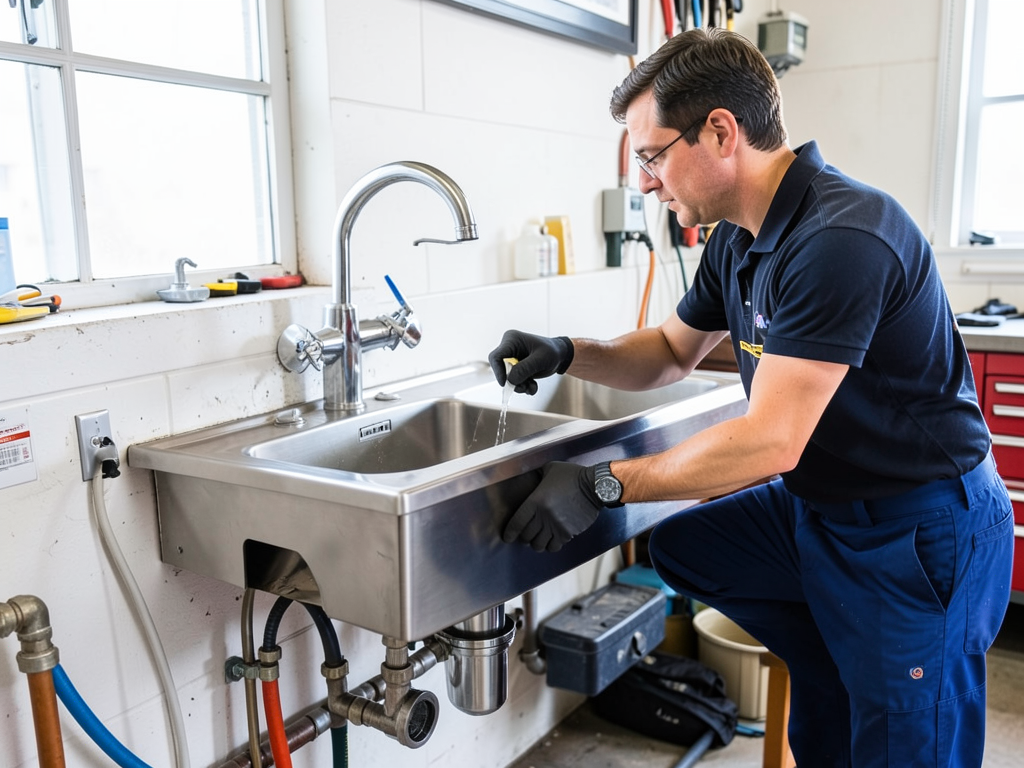
Installing a utility sink in your Robla garage or workshop transforms your space into a functional area for cleaning tools, washing pets, or handling messy projects. Robla homeowners need plumbing systems that handle heavy-duty use while complying with Sacramento County codes. This guide covers everything from choosing the right sink type to meeting local venting requirements and getting permits. Sacramento County Department of Agriculture.
Why Robla Homeowners Choose Utility Sinks
Robla’s mix of mid-century homes and newer builds creates unique plumbing challenges. Many garages in the area were built without secondary plumbing lines, making utility sink installation a specialized job. The neighborhood’s clay-heavy soil can shift over time, affecting underground pipe stability. A properly installed utility sink with correct drainage and venting prevents future leaks and backups that could damage your garage floor. Plumbing Inspection Checklist.
Utility sinks serve multiple purposes in Robla homes. Hobbyists use them for cleaning paintbrushes and tools, mechanics wash greasy parts, and pet owners appreciate having a dedicated washing station. The heavy-duty construction withstands the wear and tear that standard kitchen sinks cannot handle.
Types of Utility Sinks for Robla Garages
Choosing the right utility sink depends on your garage size, intended use, and existing plumbing layout. Each type offers different benefits for Robla’s specific conditions.. Read more about Plumbing Your New Backyard ADU in Westlake Without Breaking the Bank.
Wall-Mounted Utility Sinks
Wall-mounted sinks attach directly to garage studs, saving floor space in smaller Robla workshops. These work well for light to medium-duty cleaning tasks. The open space underneath makes floor cleaning easier, which matters in Robla’s dusty conditions. Installation requires proper wall bracing to handle the weight when full of water. The Best Water Heater Replacement Options for North Natomas Homeowners.
Floor-Standing Utility Sinks
Floor-standing models provide maximum stability for heavy-duty use. The built-in cabinets offer storage for cleaning supplies and tools. In Robla garages with concrete floors, these sinks need proper anchoring to prevent shifting from soil movement. The enclosed base protects plumbing from accidental bumps and debris.. Read more about Specialized Plumbing Requirements for New Hair Salons and Barbershops in Oak Park.
Freestanding Utility Tubs
Freestanding tubs offer flexibility for Robla homeowners who might rearrange their workspace. These deeper basins handle large items like coolers or gardening equipment. The portable nature allows for seasonal adjustments, though they require more floor space than wall-mounted options.. Read more about Why Your Plumbing Vents Might Be the Source of That Sewer Smell in Westhampton.
Plumbing Requirements for Robla Utility Sinks
Installing a utility sink in Robla requires understanding local plumbing codes and soil conditions. Sacramento County mandates specific requirements for secondary plumbing fixtures to prevent cross-contamination and ensure proper drainage.. Read more about Installing an Outdoor Shower for Your Pool in Loomis Without Constant Leaks.
Water Supply Lines
Utility sinks need both hot and cold water lines. In Robla’s older homes, existing plumbing might use galvanized steel pipes that corrode over time. Modern installations typically use PEX piping, which resists mineral buildup from Sacramento’s hard water. The water lines must include shut-off valves for maintenance access.
Water pressure in Robla averages 45-65 PSI, within the ideal range for utility sink operation. However, homes near major water mains might experience pressure fluctuations. Installing a pressure regulator protects your new sink’s faucet and prevents premature wear.
Drainage and P-Trap Requirements
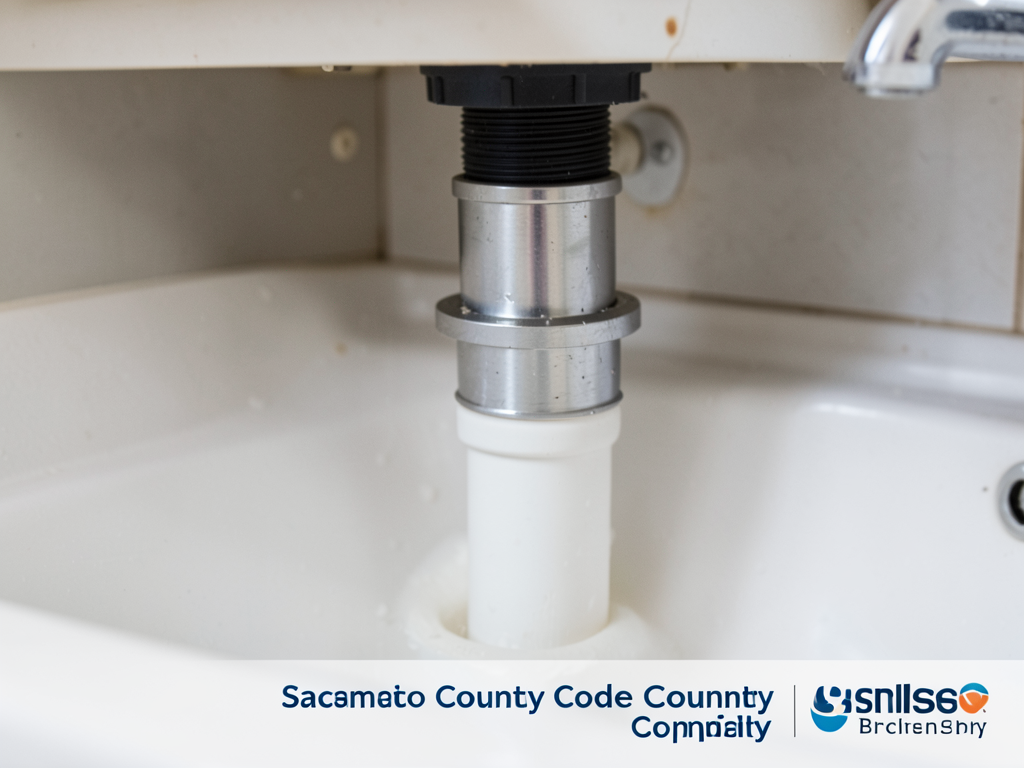
Proper drainage prevents clogs and sewer gas entry. Sacramento County Plumbing Code Section 908.2 requires P-traps on all secondary fixtures. The trap must maintain a water seal of at least 2 inches to block gases. For utility sinks in Robla garages, the drain line typically uses 1.5-inch PVC pipe.
The drain must slope at least 1/4 inch per foot toward the main sewer line. In slab-on-grade homes common in newer Robla developments, this might require cutting through concrete. The alternative is routing the drain through an exterior wall, though this exposes pipes to temperature fluctuations.
Venting Requirements
Venting prevents vacuum formation that slows drainage and causes gurgling sounds. California Plumbing Code Section 901.2 requires vents for all fixtures. For utility sinks, the vent typically ties into the home’s existing vent stack. If that’s not possible, an air admittance valve (AAV) provides a code-compliant alternative. How to Spot a Slab Leak in Your Land Park Home Before It Causes Serious Damage.
AAV installation requires specific placement. The valve must be accessible for replacement and located at least 6 inches above the flood rim of the sink. In Robla’s temperature extremes, the AAV should be installed in a conditioned space to prevent freezing.
Floor Drain Considerations
Many Robla garages lack floor drains, making utility sink installation more complex. Without a floor drain, spilled water has nowhere to go. Installing a floor drain during utility sink installation prevents water damage from overflows or leaks. The floor drain connects to the home’s drainage system and requires a trap primer to maintain the water seal. Why the Drains in Your Arden-Arcade House Keep Clogging Up.
Installation Process for Robla Utility Sinks
The installation process varies based on your garage’s existing plumbing and construction type. Here’s what to expect during a professional utility sink installation in Robla.
Site Assessment
Before installation begins, plumbers assess your garage’s layout, existing plumbing, and soil conditions. This diagnostic step identifies potential challenges like concrete thickness, nearby utility lines, or soil instability. The assessment determines whether to tap into existing lines or run new pipes from the main water supply. Fast Emergency Plumbers in Midtown Sacramento for After Hours Repairs.
Technicians use moisture meters to check for existing water damage around potential installation areas. They also inspect the garage’s structural integrity, especially for wall-mounted options. This prevents future issues like sink separation or water damage to surrounding materials.
Water Line Installation
Installing new water lines requires cutting into existing plumbing or running pipes from the main supply. For slab homes in Robla, this often means tunneling under the concrete slab. Plumbers use specialized tools to minimize dust and prevent slab damage. The new lines get pressure tested before connection to ensure no leaks.
Hot water lines need proper insulation to prevent heat loss, especially in unheated Robla garages. The insulation also protects against freezing during occasional winter cold snaps. Cold water lines get similar treatment to prevent condensation in humid summer conditions.
Drain and Vent Installation
Drain installation follows strict slope requirements to ensure proper flow. Plumbers use laser levels to achieve the exact 1/4-inch-per-foot slope mandated by code. For slab installations, they core drill through concrete carefully to avoid hitting rebar or electrical conduits.
Vent installation might require cutting into walls to access the main vent stack. If using an AAV, the installation point gets selected for maximum effectiveness while maintaining code compliance. The vent system gets tested for proper airflow using smoke tests that reveal any blockages or improper connections.
Sink Mounting and Connection
The final installation step involves mounting the sink and connecting all plumbing. Wall-mounted sinks get secured to studs with heavy-duty brackets rated for the sink’s full weight when filled. Floor-standing models require leveling and anchoring to prevent movement.
Plumbers connect the water supply lines, ensuring proper shut-off valve operation. They install the drain assembly, including the P-trap and any necessary cleanouts for future maintenance. The faucet gets mounted and tested for proper operation.
Testing and Inspection
Every installation undergoes pressure testing to check for leaks. Plumbers fill the sink and let it drain completely, watching for slow drainage or gurgling sounds that indicate venting problems. They also check for proper water temperature and pressure at the faucet.
Before considering the job complete, technicians clean the work area and provide maintenance instructions. They explain how to shut off water for emergencies and what signs indicate potential problems.
Permit Requirements in Robla
Sacramento County requires permits for new plumbing fixtures, including utility sinks. The permit process ensures installations meet code requirements and pass inspection. Here’s what Robla homeowners need to know.
Plumbing permits cost between $75 and $150 depending on the project scope. The application requires detailed plans showing the sink location, water supply routing, and drainage connections. Licensed plumbers typically handle the permit process as part of their service.
Inspections occur at rough-in and final stages. The rough-in inspection happens after drain and vent installation but before wall closure. The final inspection verifies all connections work properly and meet code requirements. Passing inspection is mandatory before using the new sink.
Cost Factors for Robla Utility Sink Installation
Installation costs vary based on several factors specific to Robla homes and garages. Understanding these variables helps you budget appropriately.
Existing Plumbing Proximity
Installation costs decrease when existing plumbing runs near the desired sink location. Adding a utility sink near a laundry room or kitchen requires less new piping than installing one in a detached garage. Robla homes with basements might have easier access to main plumbing lines.
Concrete Work Requirements
Slab homes need concrete cutting for drain installation. This adds $300 to $600 to the project cost. The price varies based on concrete thickness and whether rebar reinforcement exists. Homes built before 1980 might contain asbestos in floor tiles, requiring special handling procedures.
Sink Quality and Features
Basic utility sinks start around $100, while heavy-duty commercial models cost $500 or more. Features like pull-down faucets, built-in soap dispensers, and sound-deadening pads increase the price. Stainless steel offers durability but costs more than polypropylene options.
Permit and Inspection Fees
Permit fees range from $75 to $150. Some contractors include these in their quotes, while others list them separately. Inspection fees, if charged separately, add another $50 to $100 to the total cost.
Maintenance Tips for Utility Sinks
Proper maintenance extends your utility sink’s life and prevents costly repairs. These tips help Robla homeowners keep their sinks functioning properly.
Regular Cleaning
Utility sinks handle heavy-duty cleaning tasks, but they need cleaning too. Use non-abrasive cleaners to prevent scratching the sink surface. For stainless steel, wipe in the direction of the grain to maintain appearance. Clean the faucet aerator monthly to prevent mineral buildup from Sacramento’s hard water.
Drain Maintenance
Prevent clogs by using drain strainers to catch debris. Monthly, flush the drain with hot water to dissolve soap scum and grease. For stubborn clogs, use a plumber’s snake rather than chemical drain cleaners, which can damage pipes over time.
Leak Prevention
Check under the sink monthly for moisture that indicates leaks. Pay attention to P-trap connections, which can loosen over time. Replace worn washers and gaskets before they fail completely. In Robla’s temperature extremes, check for pipe expansion and contraction that might stress connections.
Vent Maintenance
If your sink uses an AAV, ensure it remains accessible for replacement every 5-10 years. Listen for gurgling sounds that indicate vent problems. Clear any debris from roof vent stacks that might affect your sink’s drainage.
Choosing the Right Faucet
The faucet completes your utility sink installation. For Robla garages, choose faucets designed for heavy-duty use and occasional freezing temperatures.
Commercial-Style Faucets
Commercial-style faucets with pull-down sprayers offer maximum flexibility for cleaning large items. The high-arc spout provides clearance for buckets and tools. Look for models with ceramic disc valves that resist Sacramento’s mineral-rich water.
Threaded Faucets
Threaded faucets accept garden hoses, extending your sink’s utility. This feature proves valuable for Robla homeowners who need to fill large containers or wash items outside. Ensure the faucet includes a vacuum breaker to prevent backflow contamination.
Touchless Options
Touchless faucets reduce cross-contamination when handling dirty items. The sensor technology works reliably in garage environments, though battery replacement becomes part of regular maintenance. These models often include automatic shut-off features that prevent flooding if left running accidentally.
Common Installation Mistakes to Avoid
Professional installation prevents many common problems, but understanding potential issues helps you make informed decisions.
Improper Venting
Skipping proper venting leads to slow drainage and gurgling sounds. Some DIY installations use illegal methods like running drains directly to exterior walls without proper traps. These create health hazards and code violations.
Inadequate Support
Wall-mounted sinks need proper backing. Installing them on drywall alone causes failure when the sink fills with water. Floor-standing models require leveling to prevent water pooling in one corner.
Wrong Pipe Sizing
Using undersized drain pipes causes frequent clogs. The 1.5-inch minimum for utility sinks might seem large, but it handles the volume these sinks typically process. Oversized pipes waste materials and reduce trap effectiveness.
Ignoring Local Codes
Skipping permits or using non-compliant materials creates problems when selling your home. Sacramento County inspectors check for code compliance, and unpermitted work might require costly removal and replacement.
Benefits of Professional Installation
While DIY installation might seem cost-effective, professional installation offers advantages specific to Robla’s conditions.
Code Compliance
Professional plumbers know Sacramento County codes and ensure your installation passes inspection. They understand local requirements for venting, pipe sizing, and fixture placement that DIYers might miss.
Problem Prevention
Experienced plumbers identify potential issues before they become problems. They spot signs of existing water damage, electrical interference, or structural weakness that could affect installation. Their diagnostic approach prevents callbacks and additional costs.
Proper Materials
Professionals use materials suited to Robla’s conditions. They select pipes that resist Sacramento’s hard water, choose fixtures that handle temperature extremes, and install components that work with local soil conditions.
Warranty Protection
Professional installation often includes labor warranties. If problems develop within the warranty period, the installer handles repairs at no additional cost. This protection doesn’t exist with DIY installations.
Frequently Asked Questions
Can I add a utility sink to my garage without existing plumbing?
Yes, but it requires running new water supply and drain lines from your home’s main plumbing. This typically involves cutting through concrete slabs or routing pipes through walls. The project becomes more complex but remains feasible for most Robla garages.
How long does utility sink installation take?
Professional installation typically requires 4-8 hours for straightforward projects. Complex installations involving concrete cutting or extensive new piping might take 1-2 days. The timeline includes obtaining permits, which takes 1-3 business days in Sacramento County.
Do I need a permit for a new utility sink in Sacramento?
Yes, Sacramento County requires permits for new plumbing fixtures. The permit ensures proper venting, drainage, and code compliance. Licensed plumbers typically handle permit acquisition as part of their service.
What’s the best material for a garage utility sink?
Stainless steel offers durability and resists corrosion, making it ideal for garage use. Heavy-duty polypropylene provides similar durability at lower cost. For maximum durability in Robla’s conditions, choose stainless steel with sound-deadening pads.
Can a utility sink share drainage with my washing machine?
Yes, utility sinks can tie into existing laundry room plumbing. This often reduces installation costs since water supply and drain lines are nearby. However, proper venting becomes critical to prevent trap siphoning when both fixtures drain simultaneously.
Ready to Install Your Utility Sink?
Adding a utility sink to your Robla garage or workspace improves functionality and adds value to your home. Professional installation ensures proper drainage, venting, and code compliance while preventing future problems. Whether you need a simple wall-mounted sink or a complete garage plumbing upgrade, experienced plumbers can handle your project efficiently.
Call (209) 260-0077 today to schedule your utility sink consultation. Our team understands Robla’s specific plumbing requirements and can complete your installation quickly with minimal disruption to your home. Don’t wait until that messy project forces you to use your kitchen sink for garage cleanup.
Pick up the phone and call (209) 260-0077 before the next weekend project leaves you wishing for a proper utility sink in your Robla garage. For more information, visit Environmental Protection Agency.
You may also find this helpful. Sump Pumps vs Sewage Ejector Pumps — Which One Does Your Swanston Estates Basement Actually Need?.
{
“@context”: “https://schema.org”,
“@type”: “BlogPosting”,
“headline”: “Adding a Utility Sink to Your Robla Garage or Workspace”,
“description”: “Professional utility sink installation in Robla, CA. Expert plumbing services for garage and workshop sinks with Sacramento code compliance and free estimates.”,
“wordCount”: 2548,
“datePublished”: “2026-04-12T10:50:00.000Z”,
“dateModified”: “2026-04-12T10:50:00.000Z”,
“inLanguage”: “en-US”,
“mainEntityOfPage”: {
“@type”: “WebPage”,
“@id”: “https://apexplumbingsacramento.com”
},
“publisher”: {
“@type”: “LocalBusiness”,
“name”: “Apex Plumbing Sacramento”,
“url”: “https://apexplumbingsacramento.com”
},
“author”: {
“@type”: “Organization”,
“name”: “Apex Plumbing Sacramento”,
“url”: “https://apexplumbingsacramento.com”
},
“image”: {
“@type”: “ImageObject”,
“url”: “https://apexplumbingsacramento.com/wp-content/uploads/2026/03/adding-a-utility-sink-to-your-robla-garage-or-work-1.png”
}
}
{
“@context”: “https://schema.org”,
“@type”: “Plumber”,
“name”: “Apex Plumbing Sacramento”,
“url”: “https://apexplumbingsacramento.com”,
“address”: {
“@type”: “PostalAddress”,
“addressLocality”: “Sacramento”
},
“areaServed”: {
“@type”: “City”,
“name”: “Sacramento”
}
}
{
“@context”: “https://schema.org”,
“@type”: “FAQPage”,
“mainEntity”: [
{
“@type”: “Question”,
“name”: “Can I add a utility sink to my garage without existing plumbing?”,
“acceptedAnswer”: {
“@type”: “Answer”,
“text”: “Yes, but it requires running new water supply and drain lines from your home’s main plumbing. This typically involves cutting through concrete slabs or routing pipes through walls. The project becomes more complex but remains feasible for most Robla garages.”
}
},
{
“@type”: “Question”,
“name”: “How long does utility sink installation take?”,
“acceptedAnswer”: {
“@type”: “Answer”,
“text”: “Professional installation typically requires 4-8 hours for straightforward projects. Complex installations involving concrete cutting or extensive new piping might take 1-2 days. The timeline includes obtaining permits, which takes 1-3 business days in Sacramento County.”
}
},
{
“@type”: “Question”,
“name”: “Do I need a permit for a new utility sink in Sacramento?”,
“acceptedAnswer”: {
“@type”: “Answer”,
“text”: “Yes, Sacramento County requires permits for new plumbing fixtures. The permit ensures proper venting, drainage, and code compliance. Licensed plumbers typically handle permit acquisition as part of their service.”
}
},
{
“@type”: “Question”,
“name”: “What’s the best material for a garage utility sink?”,
“acceptedAnswer”: {
“@type”: “Answer”,
“text”: “Stainless steel offers durability and resists corrosion, making it ideal for garage use. Heavy-duty polypropylene provides similar durability at lower cost. For maximum durability in Robla’s conditions, choose stainless steel with sound-deadening pads.”
}
},
{
“@type”: “Question”,
“name”: “Can a utility sink share drainage with my washing machine?”,
“acceptedAnswer”: {
“@type”: “Answer”,
“text”: “Yes, utility sinks can tie into existing laundry room plumbing. This often reduces installation costs since water supply and drain lines are nearby. However, proper venting becomes critical to prevent trap siphoning when both fixtures drain simultaneously.”
}
},
{
“@type”: “Question”,
“name”: “Ready to Install Your Utility Sink?”,
“acceptedAnswer”: {
“@type”: “Answer”,
“text”: “Adding a utility sink to your Robla garage or workspace improves functionality and adds value to your home. Professional installation ensures proper drainage, venting, and code compliance while preventing future problems. Whether you need a simple wall-mounted sink or a complete garage plumbing upgrade, experienced plumbers can handle your project efficiently.”
}
}
]
}
{
“@context”: “https://schema.org”,
“@type”: “BreadcrumbList”,
“itemListElement”: [
{
“@type”: “ListItem”,
“position”: 1,
“name”: “Home”,
“item”: “https://apexplumbingsacramento.com”
},
{
“@type”: “ListItem”,
“position”: 2,
“name”: “Blog”,
“item”: “https://apexplumbingsacramento.com/blog”
},
{
“@type”: “ListItem”,
“position”: 3,
“name”: “Adding a Utility Sink to Your Robla Garage or Workspace”
}
]
}
{
“@context”: “https://schema.org”,
“@type”: “Service”,
“serviceType”: “Plumbing”,
“provider”: {
“@type”: “LocalBusiness”,
“name”: “Apex Plumbing Sacramento”,
“url”: “https://apexplumbingsacramento.com”
},
“areaServed”: {
“@type”: “City”,
“name”: “Sacramento”
},
“description”: “Professional utility sink installation in Robla, CA. Expert plumbing services for garage and workshop sinks with Sacramento code compliance and free estimates.”
}