Bringing Your Sacramento Restaurant Restroom Up to ADA Plumbing Standards
Running a restaurant in Sacramento means more than serving great food. Your restroom facilities must meet strict ADA plumbing standards to protect your business from costly violations and ensure accessibility for all customers. California’s Title 24 building code and federal ADA requirements create a complex compliance landscape that many Sacramento restaurant owners struggle to navigate. Plumbing Inspection Checklist.
ADA compliance failures can result in fines ranging from $75,000 to $150,000 for first-time violations, plus mandatory retrofitting costs. The Sacramento County Building Inspections Division conducts regular commercial inspections, and one failed check can shut down your restroom facilities entirely. Understanding these requirements before construction or renovation saves you time, money, and potential legal exposure. How to Spot a Slab Leak in Your Land Park Home Before It Causes Serious Damage.
Understanding California ADA Plumbing Requirements for Sacramento Restaurants
California’s Title 24 accessibility standards exceed federal ADA requirements. Sacramento restaurants must comply with both sets of regulations, creating a dual compliance burden that affects fixture selection, installation heights, and clearance requirements.
California Building Code Chapter 11B mandates specific measurements that differ from federal standards. For example, California requires toilet seats at exactly 17-19 inches from the floor, while federal ADA allows 16-19 inches. These small differences matter during inspections.
Sacramento’s building permit process requires detailed plumbing plans showing ADA compliance before issuing commercial permits. The city reviews these plans against both California and federal standards, rejecting anything that falls short of either requirement.
ADA-Compliant Toilet Installation Requirements
ADA-compliant toilets must meet specific dimensional requirements that affect both comfort and accessibility. The toilet centerline must sit 16-18 inches from the side wall or partition. This measurement ensures wheelchair users can transfer safely from their chair to the toilet seat.
Flush controls require special consideration. They must be mounted no higher than 44 inches above the floor and located on the wide side of the toilet if the stall is not wider than 60 inches. Lever-operated, push-type, or electronically controlled flush valves work best for accessibility.
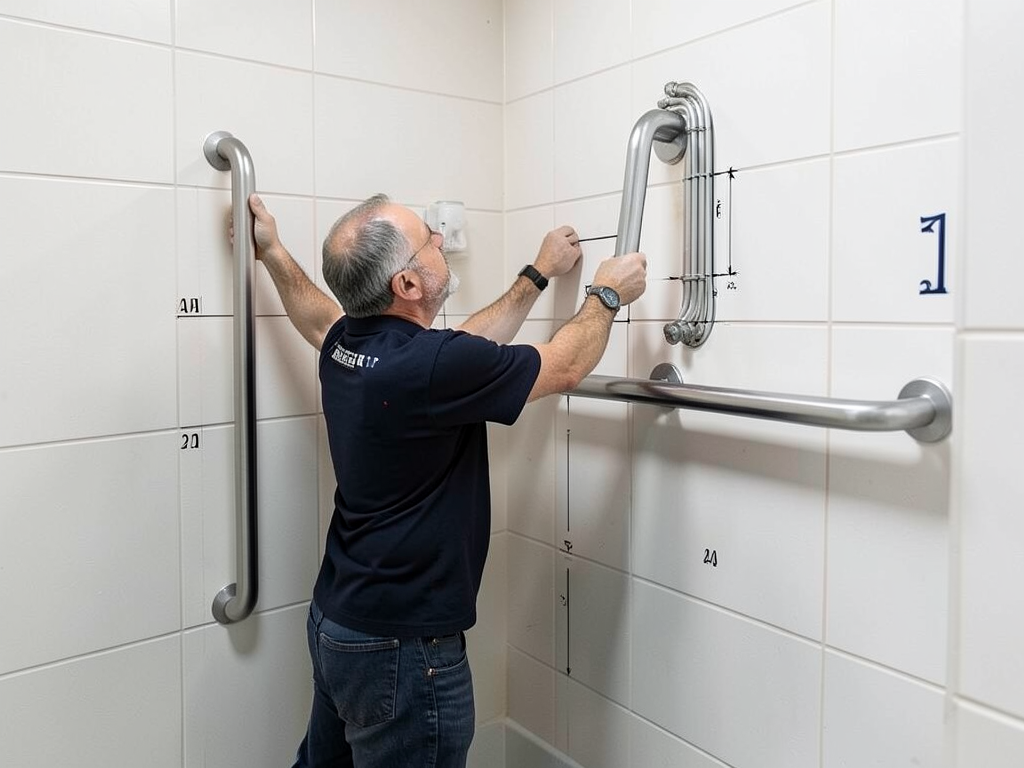
Grab bar placement proves critical for safety. Two grab bars are required: one 42 inches long mounted 33-36 inches above the floor along the side wall, and another 36 inches long on the rear wall. These bars must support 250 pounds of force in any direction.
Sink and Faucet Compliance Standards
ADA-compliant sinks require specific clearances that affect your restroom layout. The sink rim must sit no higher than 34 inches above the floor. Knee clearance underneath must measure at least 27 inches high, 30 inches wide, and 11-25 inches deep depending on the sink depth.
Faucet operation must work with one hand without tight grasping, pinching, or twisting. Lever handles, push buttons, or motion sensors meet this requirement. Traditional round knobs fail compliance testing because they require wrist twisting.
Pipe insulation becomes mandatory under ADA guidelines. Exposed pipes and drain lines under sinks must be insulated or protected to prevent contact with hot surfaces. Sacramento’s building inspectors specifically check for this during commercial inspections.
Hand Dryer and Paper Towel Dispenser Placement
Dispensers and dryers must mount with operating controls no higher than 48 inches above the floor. Clear floor space of at least 30 by 48 inches must exist in front of each unit. This space must connect to the accessible route throughout the restroom.
Motion-activated dispensers provide the best accessibility solution. They eliminate the need for grasping or pinching motions that some users cannot perform. Sacramento restaurants increasingly install these units to meet both ADA requirements and modern hygiene expectations.
Pipe Insulation and Scald Protection Requirements
California plumbing code requires thermostatic mixing valves on all commercial faucets to prevent scalding. These valves must limit hot water temperature to 120 degrees Fahrenheit maximum. Sacramento’s building inspectors test water temperatures during final inspections. The Best Water Heater Replacement Options for North Natomas Homeowners.
Pipe insulation must cover all hot water supply lines within accessible reach. Foam insulation rated for at least 130 degrees Fahrenheit works best. Inspectors check insulation integrity by touch testing during final inspections.
Floor drains require specific grading to prevent water accumulation. ADA standards mandate slopes no steeper than 1:48 where accessible routes exist. This prevents wheelchair wheels from slipping on wet surfaces. Why the Drains in Your Arden-Arcade House Keep Clogging Up.
Permitting Process for ADA Plumbing Upgrades in Sacramento
Sacramento County requires building permits for all commercial restroom modifications affecting plumbing fixtures. The permit process includes plan review, inspections, and final approval from the Building Inspections Division.
Plan submission must include detailed drawings showing fixture locations, pipe routing, and compliance measurements. Sacramento reviewers check these plans against California Title 24 before issuing permits. Missing measurements or non-compliant specifications cause plan rejection.
Inspection stages include rough plumbing, fixture installation, and final inspection. Each stage requires scheduling through the Sacramento County online portal. Missing inspections delays project completion and can result in compliance violations.
CASp Coordination and Final Certification
Certified Access Specialists (CASp) provide independent verification of ADA compliance. While not legally required for all projects, CASp inspection helps identify issues before county inspectors find them.
CASp inspections examine clearances, mounting heights, and operational requirements. They test grab bar strength using calibrated equipment and verify that all accessible features function properly. A CASp report provides documentation that protects your business during future inspections.
Many Sacramento restaurant owners hire CASp inspectors after major renovations but before final county inspections. This strategy identifies compliance gaps when fixes cost less and cause less disruption.
Common ADA Compliance Violations in Sacramento Restaurants
Mounting height violations rank as the most frequent citation. Sinks at 35 inches instead of 34 inches, or grab bars at 37 inches instead of 36 inches, trigger automatic failures. These small measurement errors cost thousands in rework.
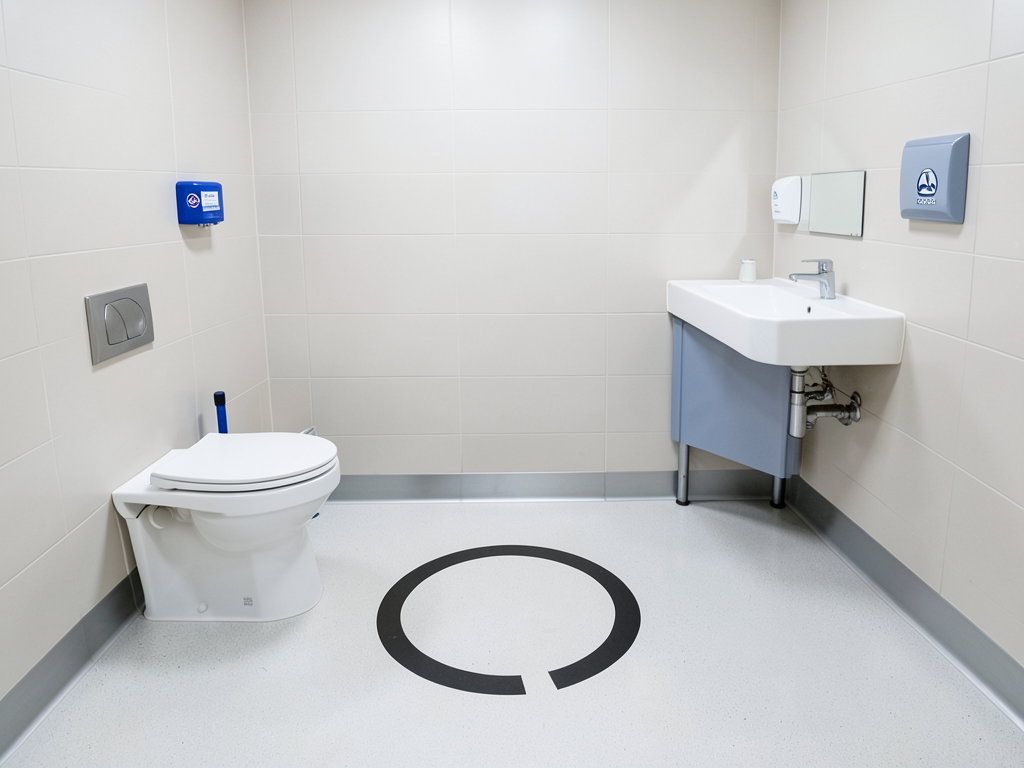
Insufficient clear floor space causes another common violation. Restroom layouts must provide 60-inch diameter turning circles for wheelchairs. Many Sacramento restaurant designs fail to account for this requirement, especially in older buildings with limited square footage.
Missing or inadequate pipe insulation creates safety hazards and compliance failures. Sacramento inspectors specifically check for exposed hot water pipes under accessible sinks. Insulation gaps as small as six inches can result in citations.
Cost Factors for ADA Plumbing Upgrades
ADA compliance upgrades vary significantly in cost based on building age and existing conditions. New construction allows for proper planning and typically costs 15-20% more than standard plumbing. Retrofit projects in existing buildings often cost 30-50% more due to demolition and structural modifications.
Fixture costs range from $300 for basic ADA toilets to $800 for high-efficiency models with pressure-assisted flushing. Grab bars cost $50-150 each depending on length and finish. These costs seem small compared to potential fines and retrofit expenses.
Permit fees in Sacramento County run $150-400 depending on project scope. CASp inspections add $300-600 to project costs but often pay for themselves by preventing expensive rework.
Tax Credits and Financial Incentives
Federal tax credits help offset ADA compliance costs for small businesses. The Disabled Access Credit provides up to $5,000 per year for eligible expenses. California offers additional incentives through various economic development programs.
Sacramento County occasionally provides grants for accessibility improvements in designated redevelopment areas. These programs change annually, so checking with the County Economic Development Department proves worthwhile before starting major projects.
Insurance companies may offer premium discounts for businesses that proactively address accessibility issues. Some Sacramento restaurants report 5-10% premium reductions after completing ADA upgrades.
Maintenance and Inspection Requirements
ADA compliance requires ongoing maintenance, not just initial installation. Grab bars can loosen over time, faucet sensors can fail, and pipe insulation can degrade. Sacramento restaurants must inspect accessible features monthly to maintain compliance.
Documentation proves crucial during inspections. Keep records of maintenance, repairs, and any modifications to accessible features. Sacramento County inspectors may request this documentation during routine visits.
Employee training ensures continued compliance. Staff must understand how to operate and troubleshoot accessible features. Simple issues like a clogged accessible sink can create compliance violations if not addressed promptly.
Emergency Repair Considerations
ADA-compliant fixtures require specialized knowledge for repairs. Standard plumbing techniques often fail with accessible fixtures. Sacramento restaurants should establish relationships with plumbers experienced in ADA compliance before emergencies occur. Fast Emergency Plumbers in Midtown Sacramento for After Hours Repairs.
Emergency repairs must maintain compliance even when rushed. Replacing a broken ADA faucet with a standard model creates immediate violations. Emergency repair kits should include compliant replacement parts.
Water shutoff procedures affect accessible restrooms differently. Quick shutoffs can trap users inside if doors lack automatic operators. Emergency protocols must account for accessible restroom users.
Future-Proofing Your Restroom Design
Accessibility standards continue evolving. Sacramento restaurants should design restrooms that exceed current minimums when possible. Extra space, higher quality fixtures, and modular designs accommodate future code changes more easily.
Consider installing blocking in walls during construction even if grab bars aren’t immediately needed. This preparation saves demolition costs if requirements change or if you need to reconfigure layouts.
Technology integration improves accessibility. Smart sensors, automatic doors, and touchless fixtures provide better experiences for all users while simplifying compliance with evolving standards.
Case Study: Midtown Sacramento Restaurant Retrofit
A popular Midtown Sacramento restaurant faced $85,000 in fines for ADA violations discovered during a routine inspection. The owner hired a CASp inspector who identified 12 compliance issues ranging from incorrect toilet heights to insufficient turning radius.
The retrofit required three weeks of construction and cost $42,000. However, the CASp inspection prevented additional violations, and the owner qualified for a $5,000 tax credit. More importantly, the restaurant avoided business interruption that would have cost thousands in lost revenue.
This case demonstrates how proactive compliance inspection saves money compared to reactive fixes after violations occur.
Frequently Asked Questions
What is the minimum turning radius required for ADA-compliant restrooms?
ADA standards require a 60-inch diameter turning circle for wheelchairs. This means no obstacle can protrude more than 4 inches into this space, and the circle must exist on the floor throughout the accessible route.
How often do Sacramento restaurants need ADA compliance inspections?
Commercial buildings face inspections every 3-5 years during routine building department visits. However, any remodeling project or change in use triggers a new compliance review. Many restaurants also face annual health department inspections that check restroom accessibility.
Can I use residential fixtures in my restaurant restroom?
No. Commercial restrooms require fixtures rated for higher usage and meeting specific ADA dimensions. Residential fixtures often fail compliance testing due to height, clearance, or operational requirements.
What happens if I fail an ADA compliance inspection?
Failed inspections result in citations with fines starting at $75,000. You receive a correction notice requiring specific fixes within a deadline. Failure to comply can result in business closure until repairs complete. Some violations also create liability for customer injuries.
Do I need permits for minor restroom modifications?
Yes. Sacramento County requires permits for any work affecting plumbing fixtures, even minor changes like replacing faucets or toilets. The permit process ensures modifications maintain ADA compliance and meet building codes.
Getting Your Sacramento Restaurant ADA Compliant
ADA compliance requires careful planning, proper execution, and ongoing maintenance. Sacramento restaurants face unique challenges due to California’s strict Title 24 requirements and the city’s active inspection program. Success means understanding requirements before starting work, using experienced contractors, and maintaining documentation throughout the process.
Don’t wait for an inspection to discover compliance issues. A proactive approach saves money and protects your business from costly violations. Professional assessment identifies problems early when solutions cost less and cause minimal disruption.
Call (209) 260-0077 today to schedule your ADA compliance audit. Our Sacramento-based team understands both federal and California requirements, ensuring your restaurant meets all standards while providing excellent accessibility for every customer.
Additional Resources
The U.S. Access Board provides comprehensive ADA guidelines at https://www.access-board.gov/ada. California’s Title 24 standards are available through the California Building Standards Commission. Sacramento County Building Inspections Division offers permit information at https://www.saccounty.net/CommunityServices/BuildingInspections/Pages/default.aspx.
Professional organizations like the American Society of Plumbing Engineers provide technical resources for commercial compliance projects. Local chapters often host seminars on ADA requirements specific to California jurisdictions.
Investing in ADA compliance protects your business, serves your community, and creates a welcoming environment for all customers. The cost of compliance pales compared to potential fines, legal liability, and lost business from accessibility barriers.
Ready to ensure your restaurant meets all ADA plumbing standards? Call (209) 260-0077 now for a comprehensive compliance assessment. Our Sacramento experts will identify issues, recommend solutions, and handle all permitting requirements to keep your business running smoothly.
Don’t let ADA violations threaten your restaurant’s future. One phone call today prevents thousands in fines tomorrow. Call (209) 260-0077 and speak with a Sacramento ADA compliance specialist about your specific needs.
{
“@context”: “https://schema.org”,
“@type”: “BlogPosting”,
“headline”: “Bringing Your Sacramento Restaurant Restroom Up to ADA Plumbing Standards”,
“description”: “Ensure your Sacramento restaurant meets ADA plumbing standards with expert guidance on compliant fixtures, permitting, and inspections. Call (209) 260-0077 for a compliance audit.”,
“wordCount”: 2121,
“datePublished”: “2026-04-20T12:12:00.000Z”,
“dateModified”: “2026-04-20T12:12:00.000Z”,
“inLanguage”: “en-US”,
“mainEntityOfPage”: {
“@type”: “WebPage”,
“@id”: “https://apexplumbingsacramento.com”
},
“publisher”: {
“@type”: “LocalBusiness”,
“name”: “Apex Plumbing Sacramento”,
“url”: “https://apexplumbingsacramento.com”
},
“author”: {
“@type”: “Organization”,
“name”: “Apex Plumbing Sacramento”,
“url”: “https://apexplumbingsacramento.com”
},
“image”: {
“@type”: “ImageObject”,
“url”: “https://apexplumbingsacramento.com/wp-content/uploads/2026/03/bringing-your-sacramento-restaurant-restroom-up-to-1.png”
}
}
{
“@context”: “https://schema.org”,
“@type”: “Plumber”,
“name”: “Apex Plumbing Sacramento”,
“url”: “https://apexplumbingsacramento.com”,
“address”: {
“@type”: “PostalAddress”,
“addressLocality”: “Sacramento”
},
“areaServed”: {
“@type”: “City”,
“name”: “Sacramento”
}
}
{
“@context”: “https://schema.org”,
“@type”: “FAQPage”,
“mainEntity”: [
{
“@type”: “Question”,
“name”: “What is the minimum turning radius required for ADA-compliant restrooms?”,
“acceptedAnswer”: {
“@type”: “Answer”,
“text”: “ADA standards require a 60-inch diameter turning circle for wheelchairs. This means no obstacle can protrude more than 4 inches into this space, and the circle must exist on the floor throughout the accessible route.”
}
},
{
“@type”: “Question”,
“name”: “How often do Sacramento restaurants need ADA compliance inspections?”,
“acceptedAnswer”: {
“@type”: “Answer”,
“text”: “Commercial buildings face inspections every 3-5 years during routine building department visits. However, any remodeling project or change in use triggers a new compliance review. Many restaurants also face annual health department inspections that check restroom accessibility.”
}
},
{
“@type”: “Question”,
“name”: “Can I use residential fixtures in my restaurant restroom?”,
“acceptedAnswer”: {
“@type”: “Answer”,
“text”: “No. Commercial restrooms require fixtures rated for higher usage and meeting specific ADA dimensions. Residential fixtures often fail compliance testing due to height, clearance, or operational requirements.”
}
},
{
“@type”: “Question”,
“name”: “Do I need permits for minor restroom modifications?”,
“acceptedAnswer”: {
“@type”: “Answer”,
“text”: “Yes. Sacramento County requires permits for any work affecting plumbing fixtures, even minor changes like replacing faucets or toilets. The permit process ensures modifications maintain ADA compliance and meet building codes.”
}
}
]
}
{
“@context”: “https://schema.org”,
“@type”: “BreadcrumbList”,
“itemListElement”: [
{
“@type”: “ListItem”,
“position”: 1,
“name”: “Home”,
“item”: “https://apexplumbingsacramento.com”
},
{
“@type”: “ListItem”,
“position”: 2,
“name”: “Blog”,
“item”: “https://apexplumbingsacramento.com/blog”
},
{
“@type”: “ListItem”,
“position”: 3,
“name”: “Bringing Your Sacramento Restaurant Restroom Up to ADA Plumbing Standards”
}
]
}
{
“@context”: “https://schema.org”,
“@type”: “Service”,
“serviceType”: “Plumbing”,
“provider”: {
“@type”: “LocalBusiness”,
“name”: “Apex Plumbing Sacramento”,
“url”: “https://apexplumbingsacramento.com”
},
“areaServed”: {
“@type”: “City”,
“name”: “Sacramento”
},
“description”: “Ensure your Sacramento restaurant meets ADA plumbing standards with expert guidance on compliant fixtures, permitting, and inspections. Call (209) 260-0077 for a compliance audit.”
}