
Connecting Your New Pool Heater to the Main Gas Line in El Dorado Hills
Installing a new pool heater requires more than just connecting a few pipes. In El Dorado Hills, proper gas line installation means navigating local building codes, understanding BTU requirements, and ensuring every connection meets California safety standards. Whether you’re upgrading from propane or switching to natural gas, the process demands precision, permits, and professional expertise. El Dorado County Building Services.
A typical residential pool heater in El Dorado Hills needs between 250,000 and 400,000 BTUs to maintain comfortable water temperatures through our hot summers and cool evenings. That kind of energy demand requires correctly sized piping, proper pressure regulation, and trenching that meets both El Dorado County and PG&E requirements. Getting it wrong doesn’t just mean poor performance—it creates serious safety hazards. PG&E gas service requirements.
The first step involves calculating your exact BTU needs based on your pool size, desired temperature rise, and local climate conditions. Our team then designs a system that delivers consistent gas flow without pressure drops, using the right pipe diameter and material for your specific installation. This isn’t guesswork—it’s engineering based on decades of local experience.
Why Proper Gas Line Sizing Matters for Pool Heaters
Undersized gas lines cause more pool heater failures than any other issue. When your heater can’t get enough fuel, it cycles on and off, struggles to maintain temperature, or fails completely. The right pipe diameter depends on your BTU requirement, the distance from your gas meter, and whether you’re using natural gas or propane. The Best Water Heater Replacement Options for North Natomas Homeowners.
For a 400,000 BTU heater located 50 feet from the meter, you’ll typically need 1-inch black steel pipe or approved polyethylene piping. Going smaller might save a few dollars upfront but will cost you in poor performance and potential code violations. El Dorado County inspectors look for specific pipe sizing charts and pressure test results before approving any installation. How to Spot a Slab Leak in Your Land Park Home Before It Causes Serious Damage.
Pressure testing is non-negotiable. We pressurize the entire system to 10 PSI above your operating pressure and monitor it for at least 15 minutes. Any drop indicates a leak that must be found and fixed before the system can be covered or connected to your heater. This test isn’t just for show—it’s required by the California Plumbing Code Section 1207 and is your best protection against gas leaks. Plumbing Inspection Checklist.
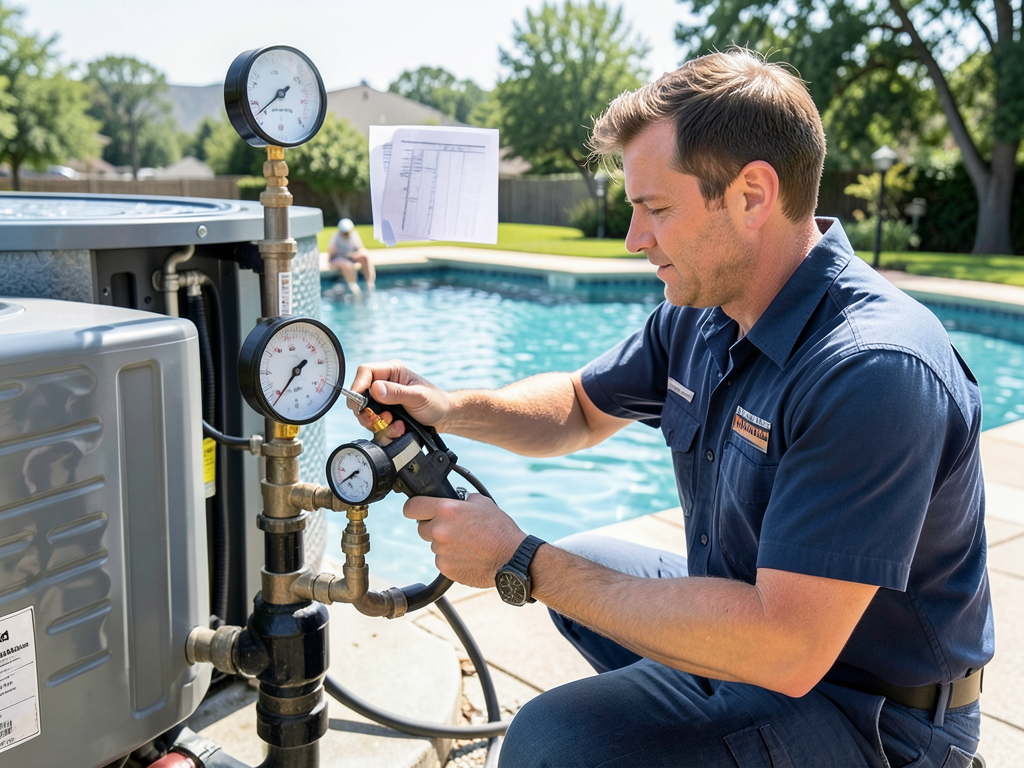
Our Installation Process: From Trenching to Pressure Testing
Professional gas line installation follows a specific sequence that protects your property and ensures long-term reliability. We start with a comprehensive site assessment, mapping out the shortest route from your gas meter to the heater location while avoiding underground utilities and preserving your landscaping as much as possible.
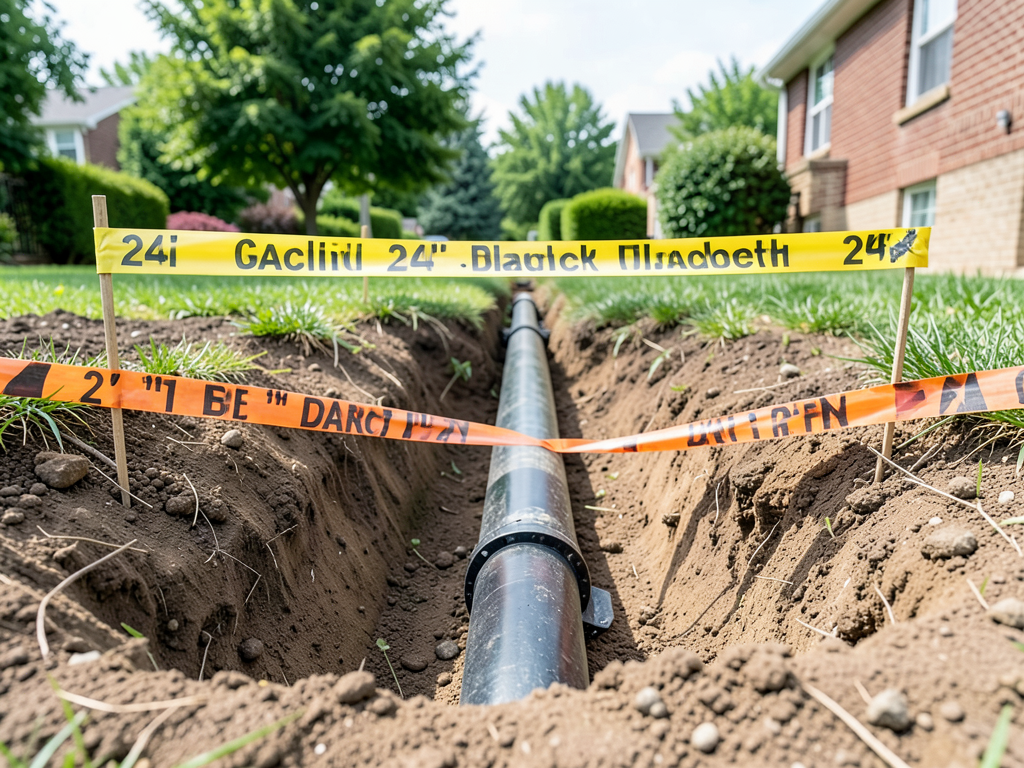
Trenching depth is critical in El Dorado Hills. Local codes require 18 to 24 inches of cover for gas lines, with deeper trenches needed under driveways or areas with vehicle traffic. We use underground utility locating services before digging and maintain proper trench width to prevent soil collapse during backfill.
Material selection depends on your specific situation. Black steel pipe offers durability for above-ground runs but requires protection from corrosion. High-Density Polyethylene (HDPE) piping works well for underground runs and resists chemical degradation. For shorter runs or areas requiring flexibility, Corrugated Stainless Steel Tubing (CSST) provides a lightweight alternative when properly installed with bonding and grounding.
After installation, we pressure test the system, purge air from the lines, and verify proper pressure at the heater connection. Only then do we schedule the final inspection with El Dorado County Building Services. This inspection checks every connection, verifies pressure test documentation, and ensures compliance with all local requirements.
Navigating Permits and Codes in El Dorado County
El Dorado County requires permits for all new gas line installations, including those for pool heaters. The permit process starts with submitting detailed plans showing pipe sizing, trenching locations, and connection points. Our team handles this paperwork and coordinates directly with county inspectors to keep your project moving forward.
California Plumbing Code governs gas line installation throughout the state, but El Dorado County adds local requirements based on our specific conditions. For instance, properties in the Serrano or Blackstone areas may need additional seismic bracing or corrosion protection due to soil conditions. PG&E also has specific requirements for service line connections that must be followed. Plumbing Rio Linda.
Inspections occur at two stages: after trenching but before backfill, and after final connections are made. The inspector checks pipe sizing, material approvals, trench depth, and pressure test results. They also verify that all shut-off valves are accessible and properly labeled. Missing any of these elements means failing inspection and delaying your pool heater installation.
Working with a licensed contractor familiar with El Dorado Hills’ specific requirements saves you time and prevents costly mistakes. We maintain active C-36 plumbing licenses and carry the insurance required for gas line work in California. This documentation must be on-site for all inspections. Plumbing Roseville.
Gas Meter Upgrades for High-BTU Pool Heaters
Your existing gas meter might not handle the additional load from a new pool heater. Standard residential meters typically support 250,000 BTUs, but pool heaters often require 300,000 to 400,000 BTUs or more. When your total gas demand exceeds your meter’s capacity, you’ll need an upgrade from PG&E before installation can proceed.
Signs you need a meter upgrade include having multiple gas appliances running simultaneously or planning to add high-BTU equipment like tankless water heaters alongside your pool heater. We calculate your total gas demand during the initial assessment and coordinate with PG&E if an upgrade is necessary. This process can take several weeks, so early planning is essential.
Meter upgrades involve PG&E replacing your existing diaphragm meter with a higher-capacity model. The cost varies based on your current setup and required capacity, but it’s a necessary investment for safe, reliable operation. We handle the coordination between your installation schedule and PG&E’s service availability to minimize delays.
Sometimes the solution isn’t a full meter upgrade but optimizing your existing system. We might suggest staggering high-demand appliances or installing a dedicated gas line with its own regulator. These alternatives can save money while still meeting your pool heating needs.
Frequently Asked Questions
How long does gas line installation for a pool heater take?
Most installations take 1-2 days for the actual work, but the full process including permits and inspections typically spans 2-3 weeks. Weather, inspection schedules, and PG&E coordination can extend this timeline.
Can I install the gas line myself to save money?
California law requires licensed professionals for gas line work. DIY installation is illegal and dangerous. Insurance companies won’t cover damage from unlicensed gas work, and you’ll fail inspection regardless of how well it’s done.
What’s the difference between natural gas and propane for pool heaters?
Natural gas offers lower operating costs and doesn’t require tank refills, but needs existing service lines. Propane provides flexibility for properties without gas service but costs more per BTU and requires regular tank maintenance and deliveries.
Do I need to upgrade my electrical service for a new pool heater?
Most pool heaters need 120V or 240V electrical connections for controls and ignition. If your existing circuit can’t handle the load or is too far from the installation site, you may need an electrical upgrade alongside the gas work.
How much does gas line installation for a pool heater cost?
Costs vary based on distance from the meter, trenching requirements, and permit fees. Simple installations might start around $1,500, while complex jobs with long runs or meter upgrades can exceed $5,000. We provide detailed quotes after assessing your specific situation.
Ready to get your pool heater running safely and efficiently? Call (209) 260-0077 today to schedule your assessment. We’ll handle everything from design to final inspection, ensuring your new pool heater performs perfectly through every season in El Dorado Hills.
Don’t let improper gas line installation ruin your pool season. Pick up the phone and call (209) 260-0077 before the next heat wave hits. Our licensed technicians are standing by to provide expert installation that meets all El Dorado County requirements and keeps your family safe.
{
“@context”: “https://schema.org”,
“@type”: “BlogPosting”,
“headline”: “Connecting Your New Pool Heater to the Main Gas Line in El Dorado Hills”,
“description”: “Expert gas line installation for pool heaters in El Dorado Hills. Safe, code-compliant connections by licensed plumbers. Get your permit-ready quote today.”,
“wordCount”: 1381,
“datePublished”: “2026-04-23T09:39:00.000Z”,
“dateModified”: “2026-04-23T09:39:00.000Z”,
“inLanguage”: “en-US”,
“mainEntityOfPage”: {
“@type”: “WebPage”,
“@id”: “https://apexplumbingsacramento.com”
},
“publisher”: {
“@type”: “LocalBusiness”,
“name”: “Apex Plumbing Sacramento”,
“url”: “https://apexplumbingsacramento.com”
},
“author”: {
“@type”: “Organization”,
“name”: “Apex Plumbing Sacramento”,
“url”: “https://apexplumbingsacramento.com”
},
“image”: {
“@type”: “ImageObject”,
“url”: “https://apexplumbingsacramento.com/wp-content/uploads/2026/03/connecting-your-new-pool-heater-to-the-main-gas-li-1.png”
}
}
{
“@context”: “https://schema.org”,
“@type”: “Plumber”,
“name”: “Apex Plumbing Sacramento”,
“url”: “https://apexplumbingsacramento.com”,
“address”: {
“@type”: “PostalAddress”,
“addressLocality”: “Sacramento”
},
“areaServed”: {
“@type”: “City”,
“name”: “Sacramento”
}
}
{
“@context”: “https://schema.org”,
“@type”: “FAQPage”,
“mainEntity”: [
{
“@type”: “Question”,
“name”: “How long does gas line installation for a pool heater take?”,
“acceptedAnswer”: {
“@type”: “Answer”,
“text”: “Most installations take 1-2 days for the actual work, but the full process including permits and inspections typically spans 2-3 weeks. Weather, inspection schedules, and PG&E coordination can extend this timeline.”
}
},
{
“@type”: “Question”,
“name”: “Can I install the gas line myself to save money?”,
“acceptedAnswer”: {
“@type”: “Answer”,
“text”: “California law requires licensed professionals for gas line work. DIY installation is illegal and dangerous. Insurance companies won’t cover damage from unlicensed gas work, and you’ll fail inspection regardless of how well it’s done.”
}
},
{
“@type”: “Question”,
“name”: “What’s the difference between natural gas and propane for pool heaters?”,
“acceptedAnswer”: {
“@type”: “Answer”,
“text”: “Natural gas offers lower operating costs and doesn’t require tank refills, but needs existing service lines. Propane provides flexibility for properties without gas service but costs more per BTU and requires regular tank maintenance and deliveries.”
}
},
{
“@type”: “Question”,
“name”: “Do I need to upgrade my electrical service for a new pool heater?”,
“acceptedAnswer”: {
“@type”: “Answer”,
“text”: “Most pool heaters need 120V or 240V electrical connections for controls and ignition. If your existing circuit can’t handle the load or is too far from the installation site, you may need an electrical upgrade alongside the gas work.”
}
},
{
“@type”: “Question”,
“name”: “How much does gas line installation for a pool heater cost?”,
“acceptedAnswer”: {
“@type”: “Answer”,
“text”: “Costs vary based on distance from the meter, trenching requirements, and permit fees. Simple installations might start around $1,500, while complex jobs with long runs or meter upgrades can exceed $5,000. We provide detailed quotes after assessing your specific situation.”
}
}
]
}
{
“@context”: “https://schema.org”,
“@type”: “BreadcrumbList”,
“itemListElement”: [
{
“@type”: “ListItem”,
“position”: 1,
“name”: “Home”,
“item”: “https://apexplumbingsacramento.com”
},
{
“@type”: “ListItem”,
“position”: 2,
“name”: “Blog”,
“item”: “https://apexplumbingsacramento.com/blog”
},
{
“@type”: “ListItem”,
“position”: 3,
“name”: “Connecting Your New Pool Heater to the Main Gas Line in El Dorado Hills”
}
]
}
{
“@context”: “https://schema.org”,
“@type”: “Service”,
“serviceType”: “Plumbing”,
“provider”: {
“@type”: “LocalBusiness”,
“name”: “Apex Plumbing Sacramento”,
“url”: “https://apexplumbingsacramento.com”
},
“areaServed”: {
“@type”: “City”,
“name”: “Sacramento”
},
“description”: “Expert gas line installation for pool heaters in El Dorado Hills. Safe, code-compliant connections by licensed plumbers. Get your permit-ready quote today.”
}