
North Highlands homes face a unique plumbing challenge during Sacramento’s occasional cold snaps. While our region enjoys mild winters most years, temperatures can drop below freezing several nights each winter, putting exposed pipes at risk of bursting and causing thousands in water damage. Sacramento County Department of Water Resources.
Local building patterns in North Highlands create specific vulnerabilities. Many homes in the area were built between the 1950s and 1970s with crawl spaces underneath, leaving pipes exposed to cold air. The area’s proximity to the American River also creates localized temperature drops during winter nights.
Understanding how to prevent frozen pipes in Sacramento requires knowing our specific climate patterns. Unlike areas with consistent winter snow, Sacramento experiences sudden temperature drops where overnight lows can fall into the mid-20s for a few hours before warming up again. This freeze-thaw cycle is particularly damaging to plumbing systems. How to Spot a Slab Leak in Your Land Park Home Before It Causes Serious Damage.
Taking preventative steps before temperatures drop can save you from emergency plumbing calls and water damage restoration costs that often exceed $5,000 for burst pipe repairs. The Best Water Heater Replacement Options for North Natomas Homeowners.
Why Sacramento Pipes are Vulnerable During Cold Snaps
North Highlands’ specific geographic location creates conditions that make frozen pipes more likely than in other Sacramento areas. The community sits at a slightly higher elevation than downtown Sacramento, experiencing temperatures that can be 3-5 degrees colder during winter nights.
Many North Highlands homes feature raised foundations with uninsulated crawl spaces. These crawl spaces allow cold air to circulate around pipes, especially those running along exterior walls or through unheated areas like garages and attics. The American River’s proximity creates a microclimate where cold air settles in low-lying areas during clear winter nights.
Common pipe materials in older North Highlands homes include galvanized steel and copper. Galvanized pipes, common in homes built before 1970, are particularly vulnerable because they corrode from the inside out, creating weak spots that burst more easily when water freezes and expands by approximately 9% in volume.. Read more about Using Gray Water for Your Garden in North Highlands — A Local Guide.
Modern PEX piping handles freezing better than copper because it can expand slightly without bursting, but it’s still not immune to damage. The plastic material can become brittle in extreme cold and connections may fail.
North Highlands experiences what meteorologists call a “hard freeze” warning when temperatures are expected to drop below 28°F for more than two hours. During these events, the risk of pipe bursts increases significantly, especially in homes with poor insulation or those that have experienced previous freeze damage.
Essential Steps to Take Before the First Frost
Preparing your North Highlands home for winter requires several preventative measures that should be completed before the first hard freeze warning. These steps take minimal time but provide significant protection against costly damage.
Start by locating your main water shut-off valve. In North Highlands homes, this is typically found in the front yard near the water meter, often in a small underground box with a green or black lid. Knowing exactly where this valve is located can save precious minutes if a pipe does burst.
Inspect all outdoor hose bibs and faucets. These are often the first points to freeze because they extend outside the home’s heated envelope. Remove any attached hoses and drain them completely. Install insulated covers over each hose bib – these foam covers cost about $2-3 each at local hardware stores like Emigh Hardware on El Camino Avenue.
Check your home’s crawl space vents. These should be closed during winter months to prevent cold air from circulating under your house. Many North Highlands homes have these vents along the foundation, and leaving them open during a freeze is like leaving a window open in your basement.
Examine exposed pipes in unheated areas like garages, attics, and crawl spaces. Look for pipes running along exterior walls or through areas without insulation. These are the highest risk locations for freezing.
Consider installing heat tape on vulnerable pipes. This electrical heating cable wraps around pipes and plugs into a standard outlet. When temperatures drop below 40°F, the tape activates automatically, keeping pipes just warm enough to prevent freezing. Heat tape installation costs range from $100-300 depending on the length needed.
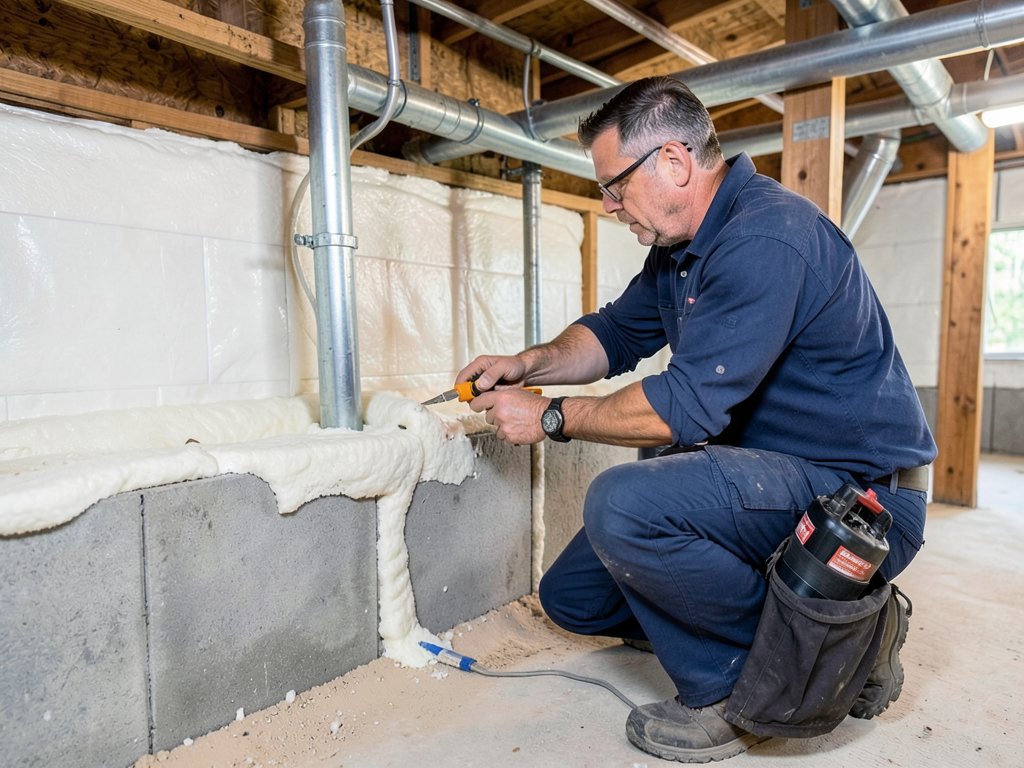
Seal any gaps or cracks where cold air might enter your home near pipes. Use expanding foam insulation around pipe penetrations through walls and floors. Even small gaps can let in enough cold air to freeze a pipe during a sustained cold snap.
What to Do When Sacramento Temperatures Drop Below Freezing
When the National Weather Service issues a freeze warning for the Sacramento area, immediate action can prevent pipe damage. The key is maintaining water movement and protecting the most vulnerable areas. National Weather Service freeze warnings.
Open cabinet doors under kitchen and bathroom sinks, especially those on exterior walls. This allows warm indoor air to circulate around the pipes. In North Highlands homes with raised foundations, this simple step can make a significant difference in preventing freezing.
Let water drip from faucets served by exposed pipes. A small trickle – about the width of a pencil lead – is sufficient. Moving water is much less likely to freeze than standing water. Focus on faucets farthest from the water main to keep water moving through the entire system.
Keep your thermostat set to at least 55°F, even if you’re away from home. While this might seem wasteful, the cost of keeping your home slightly warmer is minimal compared to the expense of repairing burst pipes and water damage.
If you have a garage with water supply lines, keep the garage door closed as much as possible during freezing weather. Even a few hours of exposure to cold garage air can freeze pipes running through the space.
Consider using a space heater in particularly vulnerable areas like crawl spaces or garages where pipes are exposed. Never leave space heaters unattended, and keep them away from flammable materials. A 1500-watt space heater can raise the temperature in a small enclosed space by 10-15 degrees.
Monitor weather forecasts closely during winter months. Sacramento’s freeze warnings often come with only 12-24 hours notice, so having a plan ready is essential.
How to Identify and Thaw a Frozen Pipe Safely
Recognizing the signs of a frozen pipe early can prevent a burst and minimize damage. The first indication is usually reduced or no water flow from a faucet when others in the house are working normally.
Check for frost on exposed pipes, especially in unheated areas like basements, crawl spaces, and garages. Frost accumulation indicates the pipe is already freezing and at high risk of bursting.
Listen for unusual sounds when you turn on a faucet. A “ping” or “bang” sound can indicate ice forming in the pipes. The sound occurs because ice takes up more space than liquid water, creating pressure against pipe walls.
If you suspect a frozen pipe, act quickly but carefully. Never use an open flame or propane torch to thaw pipes. This creates a fire hazard and can cause steam buildup that bursts the pipe violently.
Instead, use a hair dryer on the highest heat setting, moving it slowly along the frozen section. Start from the faucet end and work backward toward the coldest area. This allows steam to escape through the open faucet rather than building pressure in the pipe.
Electric heating pads wrapped around the pipe can also thaw frozen sections safely. Keep the pad on a medium setting and check it frequently to prevent overheating.
Apply heat until full water pressure returns. If you can’t locate the frozen section or it’s not accessible, call a professional plumber immediately. Attempting to thaw inaccessible pipes yourself often causes more damage.
Once water begins flowing again, leave the faucet open and check for leaks. Frozen pipes often develop small cracks that only become apparent when water pressure returns.
When to Call a Sacramento Emergency Plumber
Knowing when to call for professional help can save your home from catastrophic water damage. Some situations require immediate professional intervention, especially in older North Highlands homes where plumbing systems may be more fragile. Plumbing Inspection Checklist.
Call immediately if you discover a burst pipe, even if you’ve shut off the main water valve. Professional plumbers can locate all damage, repair it properly, and help with water damage prevention measures. Fast Emergency Plumbers in Midtown Sacramento for After Hours Repairs.
Don’t attempt to thaw pipes if you can’t access the frozen section or if multiple pipes appear frozen. Professional plumbers have specialized equipment like pipe-thawing machines that can safely thaw pipes without damaging them.
Contact a plumber if you notice water stains on walls or ceilings, hear water running when all faucets are off, or detect a musty smell that could indicate hidden water damage. These signs often appear hours or days after a pipe has frozen and thawed.
Emergency plumbing services in North Highlands typically charge $150-300 for after-hours calls, with additional hourly rates for repairs. While this seems expensive, it’s far less than the $5,000-15,000 cost of water damage restoration from a burst pipe.
Keep the phone number of a reliable local plumber handy during winter months. Many Sacramento-area plumbers offer 24/7 emergency service specifically for frozen pipe situations.
Professional plumbers can also inspect your entire plumbing system for vulnerabilities and recommend preventative measures specific to your home’s construction and location in North Highlands.
Local Resources and Emergency Contacts
North Highlands residents should have several important phone numbers readily available during winter months. The Sacramento County Department of Water Resources can be reached at (916) 875-2000 for questions about water service and main shut-off procedures.
SMUD, the local electric utility, provides power outage information and can be reached at 1-888-456-7683. During winter storms, power outages can compound frozen pipe problems by eliminating heat sources.. Read more about Adding a Utility Sink to Your Robla Garage or Workspace.
Local hardware stores like Emigh Hardware on El Camino Avenue stock freeze protection supplies year-round. Their staff can provide specific recommendations for your home’s plumbing configuration.
The National Weather Service Sacramento office provides accurate freeze warnings and can be monitored online or through weather apps. Enable notifications for “hard freeze warnings” to receive alerts when temperatures drop below critical thresholds.
Many North Highlands neighborhoods have community Facebook groups or Nextdoor networks where residents share real-time information about local conditions, including which areas are experiencing the coldest temperatures.
Consider joining the North Highlands Community Association, which often shares winter weather preparedness information and coordinates community resources during severe weather events.
Local plumbers often provide winterization checklists and can perform professional inspections to identify vulnerabilities specific to your home’s age, construction, and location within North Highlands.
Cost Comparison: Prevention vs. Emergency Repair
Understanding the financial impact of frozen pipes helps justify preventative spending. The following comparison shows typical costs for different approaches to pipe protection.
| Protection Method | Initial Cost | Annual Maintenance | Potential Savings |
|---|---|---|---|
| Foam pipe insulation | $50-100 | $10-20 | $2,000-5,000 |
| Heat tape installation | $100-300 | $20-40 | $3,000-8,000 |
| Professional winterization | $150-250 | $0 | $4,000-10,000 |
| Emergency pipe repair | $300-800 | $0 | Potential loss of $5,000-15,000 |
| Water damage restoration | $0 | $0 | Cost: $5,000-15,000 |
Based on Sacramento building permit data, homes in North Highlands experience frozen pipe incidents at a rate of approximately 2-3% during severe winter events. This may seem low, but the cost impact is significant enough that prevention pays for itself within one to two winter seasons.
Insurance considerations also matter. Many homeowner’s insurance policies cover sudden pipe bursts, but they often exclude damage from lack of maintenance or prolonged freezing conditions. Some policies also have separate deductibles for water damage that can be $2,000-5,000.
Long-term energy savings from proper pipe insulation can offset some of the initial costs. Insulated pipes maintain hot water temperature better, reducing the time you wait for hot water and lowering energy bills.
Building Code Requirements for Pipe Protection
California Plumbing Code Section 609.3 requires that water, soil, and waste pipes installed in outside walls be protected against freezing. This typically means either installing pipes in heated spaces or providing adequate insulation.
The code also mandates that pipes in attics, crawl spaces, and other unconditioned areas be protected when local climate conditions create freezing risk. While Sacramento rarely experiences sustained freezing temperatures, the code still applies during occasional cold snaps.
Local amendments to the California Plumbing Code often require specific insulation R-values for pipes in unconditioned spaces. In Sacramento County, pipes in unconditioned attics typically need insulation with an R-value of at least 3.0.
Building permits are required for most pipe replacement or major repair work. This ensures that repairs meet current code requirements and are inspected for proper installation.
Compliance with these codes not only prevents freeze damage but also ensures your plumbing system meets safety standards for water pressure, backflow prevention, and proper venting.
Advanced Protection Strategies
For homeowners who want maximum protection, several advanced strategies can provide additional peace of mind during Sacramento’s coldest nights.
Smart water sensors placed near vulnerable pipes can detect the first signs of freezing or leaks. These devices connect to your smartphone and send alerts when temperatures drop below set thresholds or when moisture is detected.
Whole-house water shut-off systems with leak detection can automatically turn off your main water supply if they detect unusual flow patterns that might indicate a burst pipe. These systems cost $500-1,000 installed but can prevent catastrophic damage.
Crawl space encapsulation involves sealing the entire crawl space with vapor barriers and insulation, creating a conditioned space that maintains more stable temperatures. This approach costs $3,000-8,000 but provides year-round benefits including improved energy efficiency.
Heat recovery ventilators can bring fresh air into your home while recovering heat from exhaust air, maintaining better overall temperature control and reducing cold spots where pipes might freeze.
Consider upgrading to PEX piping if you’re planning a remodel or have frequent freeze issues. While PEX isn’t immune to freezing, its flexibility makes it much more resistant to burst damage than copper or galvanized steel.
Community Resources and Support
North Highlands has several community resources that can help during severe winter weather. The North Highlands Recreation and Park District often serves as an information hub during weather emergencies.
Local churches and community centers sometimes open warming shelters during extended cold snaps, providing a safe place for residents who lose heat due to power outages or heating system failures.
The Sacramento County Office of Emergency Services provides winter weather preparedness information and coordinates response efforts during severe weather events affecting multiple communities.
Many North Highlands neighborhoods have established mutual aid networks where residents check on elderly neighbors and share resources during emergencies. These informal networks can be invaluable when professional services are overwhelmed.
Local plumbers often partner with community organizations to provide free or discounted winterization services for elderly or low-income residents who might not otherwise afford preventative maintenance.
Community workshops on winter home preparation are sometimes offered through the North Highlands-Antelope Library or local community centers. These provide hands-on training for basic freeze prevention techniques.
Frequently Asked Questions
How cold does it need to get for pipes to freeze in Sacramento?
Pipes typically begin to freeze when temperatures drop to 20°F or below for several hours. However, in Sacramento’s climate, pipes in unheated areas can start to freeze at temperatures as high as 32°F if exposed to wind or if water is standing still.
How long does it take for pipes to freeze and burst?
Water in pipes can begin to freeze within 3-6 hours of sustained sub-freezing temperatures. However, pipes usually don’t burst immediately upon freezing. The damage typically occurs during the thawing process when ice melts and water pressure returns to compromised pipes.
Should I turn off my water main during a freeze warning?
Turning off your main water valve is only necessary if you’re leaving town during a freeze or if you’ve had previous pipe problems. For most homes, keeping water flowing through pipes (even at a trickle) is better protection than shutting off the supply.
What’s the best way to insulate outdoor faucets?
Foam faucet covers provide the best protection for outdoor hose bibs. These covers create an air pocket around the faucet and can be installed in seconds. For maximum protection, install the cover, then wrap the faucet with old towels or rags before putting the cover on.
How can I tell if my pipes are already frozen?
Signs of frozen pipes include no water flow from faucets when others work normally, frost visible on exposed pipes, unusual sounds when turning on water, and toilets that don’t refill after flushing. If you notice these signs, act quickly to prevent bursting.
Does keeping a faucet dripping really prevent freezing?
Yes, a small trickle of water moving through pipes makes freezing much less likely. The moving water has more energy and is harder to freeze than standing water. A trickle about the width of a pencil lead is sufficient and costs only pennies per night in water usage.
What should I do if a pipe bursts?
Immediately shut off your main water valve, then call an emergency plumber. While waiting for help, begin removing water with mops, towels, or a wet vacuum if available. Document the damage with photos for insurance purposes, and move valuables away from affected areas.
Are tankless water heaters safe from freezing?
Tankless water heaters have built-in freeze protection down to about 5°F, but this protection only works when the unit has power. During extended power outages in freezing weather, even tankless units can freeze. Consider a battery backup for your tankless heater if you experience frequent outages.
How much does professional pipe insulation cost?
Professional pipe insulation for a typical North Highlands home costs $300-600, depending on the number of pipes and accessibility. This includes labor and materials. While it seems expensive, it’s much cheaper than emergency repairs and provides energy savings year-round.
Can I use my garden hose during freezing weather?
Never leave a garden hose connected during freezing weather. Disconnect and drain all hoses, then store them indoors. Leaving hoses connected can cause water to back up into the faucet and freeze, potentially bursting pipes inside your walls.
Taking Action Before the Next Freeze
Protecting your North Highlands home from frozen pipes requires preparation, vigilance, and quick action when temperatures drop. The steps outlined in this guide can prevent the costly damage that frozen pipes cause to hundreds of Sacramento-area homes each winter. Protecting Your Pocket-Greenhaven Home from Flooding with a New Sump Pump.
Start with the basics: locate your main shut-off valve, inspect exposed pipes, and install simple protections like faucet covers and pipe insulation. These inexpensive measures provide the most protection for the least investment.
When freeze warnings arrive, take immediate action by opening cabinet doors, letting faucets drip, and maintaining minimum indoor temperatures. These simple steps can make the difference between a trouble-free winter and a flooded home.
Remember that North Highlands’ specific geographic and architectural characteristics create unique vulnerabilities. The area’s older homes with raised foundations and proximity to the American River require special attention during cold snaps.
If you’re unsure about your home’s vulnerability or want professional assessment, don’t wait for an emergency. Call (209) 260-0077 today to schedule a winterization inspection. Our experienced technicians can identify specific risks in your home and recommend cost-effective solutions.
Pick up the phone and call (209) 260-0077 before the next storm hits. A quick inspection now can save you thousands in emergency repairs later. Don’t let frozen pipes turn your winter into a nightmare – take action today.
Stay safe this winter, and remember that professional help is just a phone call away when you need it most.
You may also find this helpful. Replacing Dangerous Polybutylene Pipes in Your Colonial Heights Home.
{
“@context”: “https://schema.org”,
“@type”: “BlogPosting”,
“headline”: “How to Keep Your North Highlands Pipes from Freezing During a Sacramento Cold Snap”,
“description”: “Learn how to protect your North Highlands home from frozen pipes during Sacramento’s rare cold snaps. Expert tips from local plumbers to prevent costly damage.”,
“wordCount”: 3270,
“datePublished”: “2026-04-06T09:35:00.000Z”,
“dateModified”: “2026-04-06T09:35:00.000Z”,
“inLanguage”: “en-US”,
“mainEntityOfPage”: {
“@type”: “WebPage”,
“@id”: “https://apexplumbingsacramento.com”
},
“publisher”: {
“@type”: “LocalBusiness”,
“name”: “Apex Plumbing Sacramento”,
“url”: “https://apexplumbingsacramento.com”
},
“author”: {
“@type”: “Organization”,
“name”: “Apex Plumbing Sacramento”,
“url”: “https://apexplumbingsacramento.com”
},
“image”: {
“@type”: “ImageObject”,
“url”: “https://apexplumbingsacramento.com/wp-content/uploads/2026/03/how-to-keep-your-north-highlands-pipes-from-freezi-1.png”
}
}
{
“@context”: “https://schema.org”,
“@type”: “Plumber”,
“name”: “Apex Plumbing Sacramento”,
“url”: “https://apexplumbingsacramento.com”,
“address”: {
“@type”: “PostalAddress”,
“addressLocality”: “Sacramento”
},
“areaServed”: {
“@type”: “City”,
“name”: “Sacramento”
}
}
{
“@context”: “https://schema.org”,
“@type”: “FAQPage”,
“mainEntity”: [
{
“@type”: “Question”,
“name”: “How cold does it need to get for pipes to freeze in Sacramento?”,
“acceptedAnswer”: {
“@type”: “Answer”,
“text”: “Pipes typically begin to freeze when temperatures drop to 20°F or below for several hours. However, in Sacramento’s climate, pipes in unheated areas can start to freeze at temperatures as high as 32°F if exposed to wind or if water is standing still.”
}
},
{
“@type”: “Question”,
“name”: “How long does it take for pipes to freeze and burst?”,
“acceptedAnswer”: {
“@type”: “Answer”,
“text”: “Water in pipes can begin to freeze within 3-6 hours of sustained sub-freezing temperatures. However, pipes usually don’t burst immediately upon freezing. The damage typically occurs during the thawing process when ice melts and water pressure returns to compromised pipes.”
}
},
{
“@type”: “Question”,
“name”: “Should I turn off my water main during a freeze warning?”,
“acceptedAnswer”: {
“@type”: “Answer”,
“text”: “Turning off your main water valve is only necessary if you’re leaving town during a freeze or if you’ve had previous pipe problems. For most homes, keeping water flowing through pipes (even at a trickle) is better protection than shutting off the supply.”
}
},
{
“@type”: “Question”,
“name”: “How can I tell if my pipes are already frozen?”,
“acceptedAnswer”: {
“@type”: “Answer”,
“text”: “Signs of frozen pipes include no water flow from faucets when others work normally, frost visible on exposed pipes, unusual sounds when turning on water, and toilets that don’t refill after flushing. If you notice these signs, act quickly to prevent bursting.”
}
},
{
“@type”: “Question”,
“name”: “What should I do if a pipe bursts?”,
“acceptedAnswer”: {
“@type”: “Answer”,
“text”: “Immediately shut off your main water valve, then call an emergency plumber. While waiting for help, begin removing water with mops, towels, or a wet vacuum if available. Document the damage with photos for insurance purposes, and move valuables away from affected areas.”
}
},
{
“@type”: “Question”,
“name”: “Are tankless water heaters safe from freezing?”,
“acceptedAnswer”: {
“@type”: “Answer”,
“text”: “Tankless water heaters have built-in freeze protection down to about 5°F, but this protection only works when the unit has power. During extended power outages in freezing weather, even tankless units can freeze. Consider a battery backup for your tankless heater if you experience frequent outages.”
}
},
{
“@type”: “Question”,
“name”: “How much does professional pipe insulation cost?”,
“acceptedAnswer”: {
“@type”: “Answer”,
“text”: “Professional pipe insulation for a typical North Highlands home costs $300-600, depending on the number of pipes and accessibility. This includes labor and materials. While it seems expensive, it’s much cheaper than emergency repairs and provides energy savings year-round.”
}
},
{
“@type”: “Question”,
“name”: “Can I use my garden hose during freezing weather?”,
“acceptedAnswer”: {
“@type”: “Answer”,
“text”: “Never leave a garden hose connected during freezing weather. Disconnect and drain all hoses, then store them indoors. Leaving hoses connected can cause water to back up into the faucet and freeze, potentially bursting pipes inside your walls.”
}
}
]
}
{
“@context”: “https://schema.org”,
“@type”: “BreadcrumbList”,
“itemListElement”: [
{
“@type”: “ListItem”,
“position”: 1,
“name”: “Home”,
“item”: “https://apexplumbingsacramento.com”
},
{
“@type”: “ListItem”,
“position”: 2,
“name”: “Blog”,
“item”: “https://apexplumbingsacramento.com/blog”
},
{
“@type”: “ListItem”,
“position”: 3,
“name”: “How to Keep Your North Highlands Pipes from Freezing During a Sacramento Cold Snap”
}
]
}
{
“@context”: “https://schema.org”,
“@type”: “Service”,
“serviceType”: “Plumbing”,
“provider”: {
“@type”: “LocalBusiness”,
“name”: “Apex Plumbing Sacramento”,
“url”: “https://apexplumbingsacramento.com”
},
“areaServed”: {
“@type”: “City”,
“name”: “Sacramento”
},
“description”: “Learn how to protect your North Highlands home from frozen pipes during Sacramento’s rare cold snaps. Expert tips from local plumbers to prevent costly damage.”
}