
Plumbing Basics for Home Brewers and Hobbyists in Sacramento
Setting up a home brewery in Sacramento requires more than just good beer recipes. The unique water chemistry, local building codes, and drainage requirements make professional plumbing knowledge essential. This guide covers everything from water supply lines to floor drains and permits needed for safe, code-compliant brewing operations in Sacramento County. Sacramento Department of Utilities.
Understanding Sacramento Water Quality for Brewing
Sacramento’s water comes from the American and Sacramento Rivers with high mineral content affecting both equipment and beer flavor. The Central Valley’s hard water contains calcium and magnesium that can cause scale buildup in brewing equipment and pipes. Testing your water’s pH and mineral content helps determine if you need filtration systems before installing brewery plumbing. The Best Water Heater Replacement Options for North Natomas Homeowners.
Local water utilities recommend reverse osmosis systems for brewing to remove chlorine and chloramine that can create off-flavors. The Sacramento Department of Utilities offers water quality reports showing seasonal variations that impact brewing consistency throughout the year.
Water Supply Lines for Brewing Operations
Standard residential plumbing often fails under brewing demands. High-volume pot filling requires dedicated 3/4-inch supply lines instead of typical 1/2-inch kitchen lines. Brewing operations need both hot and cold water access with flow rates exceeding normal household usage.
Choosing the right pipe material matters in Sacramento’s climate. Type L copper withstands high temperatures and resists corrosion from mineral-rich water. PEX-B offers flexibility for tight spaces but requires proper expansion fittings to handle temperature swings from brewing equipment. Stainless steel braided hoses provide durability for connections to brewing kettles and wort chillers.
Water hammer arrestors prevent pipe damage when valves close quickly during brewing. Installing these near brewing equipment protects your entire plumbing system from pressure surges that can cause leaks or pipe failure.
Floor Drains and Wash-Down Areas
Proper drainage prevents flooding and contamination in brewing spaces. Floor drains must slope at 1/4 inch per foot toward the drain to ensure complete water removal. Sacramento building codes require indirect waste connections for brewing wastewater to prevent backflow contamination. Why the Drains in Your Arden-Arcade House Keep Clogging Up.
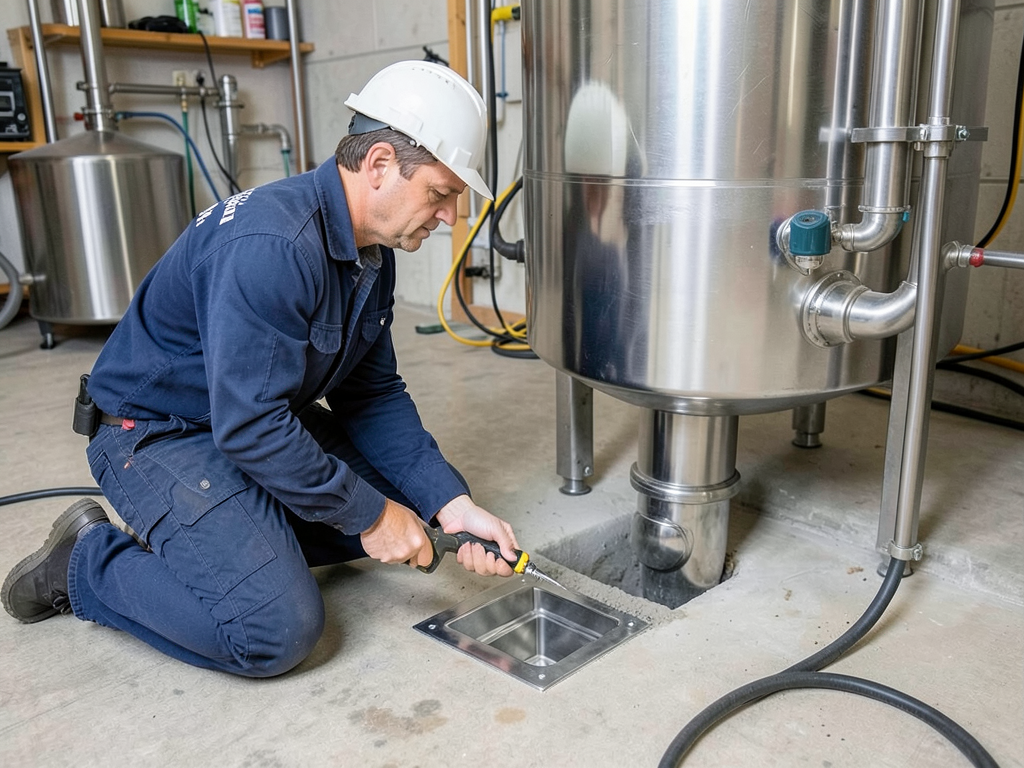
Floor sinks handle larger volumes than standard drains and provide easier cleaning access. The California Plumbing Code Section 807.2 requires floor drains in areas where brewing equipment cleaning creates standing water. Installing cleanouts near brewing equipment allows for easy maintenance and prevents clogs from spent grain or hop residue. California Public Utilities Commission.
Backflow prevention devices protect Sacramento’s water supply from brewing chemicals and wort. Reduced Pressure Zone (RPZ) valves prevent contaminated water from flowing back into clean water lines. Annual testing by certified plumbers ensures these devices function properly and meet Sacramento County regulations. Fast Emergency Plumbers in Midtown Sacramento for After Hours Repairs.
Ventilation and Gas Line Requirements
Gas-fired brewing equipment needs proper ventilation to prevent carbon monoxide buildup. Hood systems must vent to the exterior with make-up air to maintain proper airflow. Sacramento’s building codes require specific BTU calculations for gas line sizing based on burner output.
Commercial-grade ventilation systems prevent moisture damage to surrounding structures. Steam from boiling wort can cause ceiling damage and mold growth without proper exhaust. Installing moisture sensors near brewing equipment provides early warning of ventilation system failures.
Permits and Sacramento Building Codes
Installing brewery plumbing in Sacramento requires permits from both the City and County building departments. The Sacramento County Building Inspection Division reviews plans for commercial brewing setups in residential garages or accessory structures. Permit fees vary based on project scope but typically range from $300 to $1,200.
California Plumbing Code Chapter 7 governs drainage systems for brewing operations. Section 701.7 requires proper venting for all brewing equipment drains to prevent trap siphonage. Floor drains in brewing areas need trap primers to maintain water seals and prevent sewer gas entry.
Electrical upgrades often accompany plumbing modifications. Dedicated circuits for brewing equipment prevent overloads and ensure consistent operation. GFCI protection near brewing areas prevents electrical shock hazards from water exposure.
Spent Grain and Waste Management
Spent grain disposal requires special consideration in Sacramento’s sewer system. The Sacramento Area Sewer District prohibits large quantities of organic waste from entering municipal sewers. Installing solids interceptors captures grain particles before they enter the main drainage system. How to Spot a Slab Leak in Your Land Park Home Before It Causes Serious Damage.
Composting spent grain provides an environmentally friendly disposal method. Many Sacramento home brewers partner with local farms for grain collection. Some breweries install on-site composting systems to reduce waste disposal costs and environmental impact.
Greywater regulations in California allow limited reuse of brewing wastewater for irrigation. Systems must meet Title 22 standards and require permits from Sacramento County Environmental Management. Proper filtration prevents soil contamination from brewing chemicals and residual sugars.
Hot Water Systems for Brewing
High-volume brewing requires reliable hot water delivery. Tankless water heaters provide continuous hot water without storage losses. Sizing calculations based on simultaneous brewing tasks determine the required BTU output for your setup.
Recirculation systems maintain hot water temperature at brewing stations, reducing wait times and water waste. Insulating hot water pipes prevents heat loss in Sacramento’s climate and reduces energy costs. Temperature mixing valves ensure consistent water temperature for mashing and cleaning processes.
Thermal expansion tanks protect plumbing systems from pressure increases when water heats. Sacramento’s hard water accelerates expansion tank degradation, requiring more frequent replacement than in areas with softer water. Testing expansion tank pressure annually prevents system damage and maintains warranty coverage.
Cost Considerations and ROI
Professional brewery plumbing installation typically costs $5,000 to $15,000 depending on complexity. Factors affecting cost include permit fees, material selection, and existing plumbing modifications. High-end setups with commercial-grade equipment can exceed $25,000.
Investing in proper plumbing protects your home’s value and prevents costly water damage. Insurance companies may require professional installation for coverage of brewing equipment water damage. Proper drainage and ventilation reduce mold and moisture-related structural damage over time.
Energy-efficient equipment selection reduces operating costs. Tankless water heaters and recirculation systems lower utility bills while improving brewing efficiency. LED lighting and low-flow fixtures further reduce resource consumption in brewing spaces.
Maintenance and Troubleshooting
Regular maintenance prevents brewing disruptions and equipment failure. Annual backflow preventer testing ensures continued protection of Sacramento’s water supply. Cleaning brewing equipment drains prevents clogs from hop residue and protein buildup.
Monitoring water pressure prevents pipe damage and equipment failure. Sacramento’s water pressure varies seasonally, requiring pressure-reducing valves in some areas. Checking for leaks around brewing equipment prevents water damage to surrounding structures.
Winterizing brewing systems prevents freeze damage during Sacramento’s occasional cold snaps. Draining outdoor lines and insulating exposed pipes protects against temperature drops that can cause pipe bursts. Installing freeze sensors provides early warning of temperature drops that could damage brewing equipment.
Safety Considerations
Brewery safety extends beyond beer quality to include proper chemical handling and fire prevention. Storing cleaning chemicals requires proper ventilation and secondary containment to prevent spills. Installing eyewash stations near chemical storage areas meets OSHA requirements for brewing operations.
Fire suppression systems protect brewing areas from equipment fires. Class K fire extinguishers handle grease fires from brewing equipment. Smoke detectors and heat sensors provide early warning of brewing area fires.
Slip-resistant flooring prevents accidents in wet brewing areas. Proper lighting ensures safe equipment operation and ingredient measurement. Emergency shutoff switches for gas and water provide quick response to brewing emergencies.
Future Expansion Planning
Designing brewery plumbing with future expansion in mind saves money on later modifications. Oversizing supply lines and drain pipes accommodates increased brewing capacity. Installing additional electrical circuits allows for equipment upgrades without major rewiring.
Modular brewing systems provide flexibility for changing brewing needs. Portable brewing stations allow for temporary setups during equipment maintenance or expansion. Planning for automation upgrades ensures compatibility with future brewing technology.
Smart monitoring systems track water usage, temperature, and pressure for optimal brewing conditions. Data logging helps identify efficiency improvements and equipment maintenance needs. Remote monitoring allows for brewing control from anywhere with internet access.
Choosing Professional Installation
Professional plumbers understand Sacramento’s specific requirements for brewery installations. C-36 licensed contractors know local codes and permit processes. Experience with brewing installations ensures proper equipment selection and installation techniques.
Quality installation prevents costly repairs and water damage. Professional plumbers provide warranties on workmanship and material installation. Proper documentation helps with insurance claims and property sales involving brewing equipment.
Emergency service availability provides peace of mind for brewing operations. 24/7 plumbing support prevents brewing disruptions from equipment failures. Regular maintenance contracts ensure ongoing system reliability and performance.
Frequently Asked Questions
Do I need a permit for home brewery plumbing in Sacramento?
Yes. Sacramento County requires permits for all brewery plumbing modifications including new water lines, drainage systems, and gas installations. Permit requirements vary by location within the county.
What pipe material is best for brewing equipment?
Type L copper provides the best combination of durability, temperature resistance, and corrosion protection for brewing applications. PEX-B works well for cold water lines but requires proper expansion fittings for hot water applications.
How do I prevent scale buildup from Sacramento’s hard water?
Install a water softener or reverse osmosis system before brewing equipment. Regular cleaning with citric acid removes existing scale. Using filtered water for brewing prevents mineral buildup in equipment and pipes.
What size floor drain do I need for brewing?
Floor drains should be at least 4 inches in diameter for brewing applications. Larger drains prevent clogs from spent grain and hop residue. Proper slope ensures complete water removal during cleaning operations.
How often should backflow preventers be tested?
California law requires annual testing of backflow prevention devices by certified testers. Sacramento County regulations may require more frequent testing for commercial brewing operations. Testing ensures continued protection of the water supply.
Conclusion
Proper plumbing forms the foundation of successful home brewing operations in Sacramento. Understanding local water quality, building codes, and drainage requirements prevents costly mistakes and ensures safe, efficient brewing. Professional installation provides peace of mind and protects your investment in brewing equipment.
Whether you’re upgrading an existing setup or planning a new brewery space, working with experienced Sacramento plumbers ensures code compliance and optimal system performance. The right plumbing infrastructure supports your brewing passion while protecting your home and the community’s water supply. Protecting Your Pocket-Greenhaven Home from Flooding with a New Sump Pump.
Ready to upgrade your home brewery plumbing? Call (209) 260-0077 today to schedule a consultation with our Sacramento brewing specialists. We’ll help you design and install the perfect plumbing system for your brewing needs while ensuring full code compliance and optimal performance.
You may also find this helpful. Legal Rainwater Harvesting for Sacramento Gardeners (What You Can and Cannot Do).
{
“@context”: “https://schema.org”,
“@type”: “BlogPosting”,
“headline”: “Plumbing Basics for Home Brewers and Hobbyists in Sacramento”,
“description”: “Learn Sacramento-specific plumbing codes, drainage requirements, and backflow prevention for safe home brewery setups. Expert guide from local licensed plumbers.”,
“wordCount”: 1767,
“datePublished”: “2026-06-01T06:04:00.000Z”,
“dateModified”: “2026-06-01T06:04:00.000Z”,
“inLanguage”: “en-US”,
“mainEntityOfPage”: {
“@type”: “WebPage”,
“@id”: “https://apexplumbingsacramento.com”
},
“publisher”: {
“@type”: “LocalBusiness”,
“name”: “Apex Plumbing Sacramento”,
“url”: “https://apexplumbingsacramento.com”
},
“author”: {
“@type”: “Organization”,
“name”: “Apex Plumbing Sacramento”,
“url”: “https://apexplumbingsacramento.com”
},
“image”: {
“@type”: “ImageObject”,
“url”: “https://apexplumbingsacramento.com/wp-content/uploads/2026/03/plumbing-basics-for-home-brewers-and-hobbyists-in-1.png”
}
}
{
“@context”: “https://schema.org”,
“@type”: “Plumber”,
“name”: “Apex Plumbing Sacramento”,
“url”: “https://apexplumbingsacramento.com”,
“address”: {
“@type”: “PostalAddress”,
“addressLocality”: “Sacramento”
},
“areaServed”: {
“@type”: “City”,
“name”: “Sacramento”
}
}
{
“@context”: “https://schema.org”,
“@type”: “FAQPage”,
“mainEntity”: [
{
“@type”: “Question”,
“name”: “Do I need a permit for home brewery plumbing in Sacramento?”,
“acceptedAnswer”: {
“@type”: “Answer”,
“text”: “Yes. Sacramento County requires permits for all brewery plumbing modifications including new water lines, drainage systems, and gas installations. Permit requirements vary by location within the county.”
}
},
{
“@type”: “Question”,
“name”: “What pipe material is best for brewing equipment?”,
“acceptedAnswer”: {
“@type”: “Answer”,
“text”: “Type L copper provides the best combination of durability, temperature resistance, and corrosion protection for brewing applications. PEX-B works well for cold water lines but requires proper expansion fittings for hot water applications.”
}
},
{
“@type”: “Question”,
“name”: “How do I prevent scale buildup from Sacramento’s hard water?”,
“acceptedAnswer”: {
“@type”: “Answer”,
“text”: “Install a water softener or reverse osmosis system before brewing equipment. Regular cleaning with citric acid removes existing scale. Using filtered water for brewing prevents mineral buildup in equipment and pipes.”
}
},
{
“@type”: “Question”,
“name”: “What size floor drain do I need for brewing?”,
“acceptedAnswer”: {
“@type”: “Answer”,
“text”: “Floor drains should be at least 4 inches in diameter for brewing applications. Larger drains prevent clogs from spent grain and hop residue. Proper slope ensures complete water removal during cleaning operations.”
}
},
{
“@type”: “Question”,
“name”: “How often should backflow preventers be tested?”,
“acceptedAnswer”: {
“@type”: “Answer”,
“text”: “California law requires annual testing of backflow prevention devices by certified testers. Sacramento County regulations may require more frequent testing for commercial brewing operations. Testing ensures continued protection of the water supply.”
}
}
]
}
{
“@context”: “https://schema.org”,
“@type”: “BreadcrumbList”,
“itemListElement”: [
{
“@type”: “ListItem”,
“position”: 1,
“name”: “Home”,
“item”: “https://apexplumbingsacramento.com”
},
{
“@type”: “ListItem”,
“position”: 2,
“name”: “Blog”,
“item”: “https://apexplumbingsacramento.com/blog”
},
{
“@type”: “ListItem”,
“position”: 3,
“name”: “Plumbing Basics for Home Brewers and Hobbyists in Sacramento”
}
]
}
{
“@context”: “https://schema.org”,
“@type”: “Service”,
“serviceType”: “Plumbing”,
“provider”: {
“@type”: “LocalBusiness”,
“name”: “Apex Plumbing Sacramento”,
“url”: “https://apexplumbingsacramento.com”
},
“areaServed”: {
“@type”: “City”,
“name”: “Sacramento”
},
“description”: “Learn Sacramento-specific plumbing codes, drainage requirements, and backflow prevention for safe home brewery setups. Expert guide from local licensed plumbers.”
}