
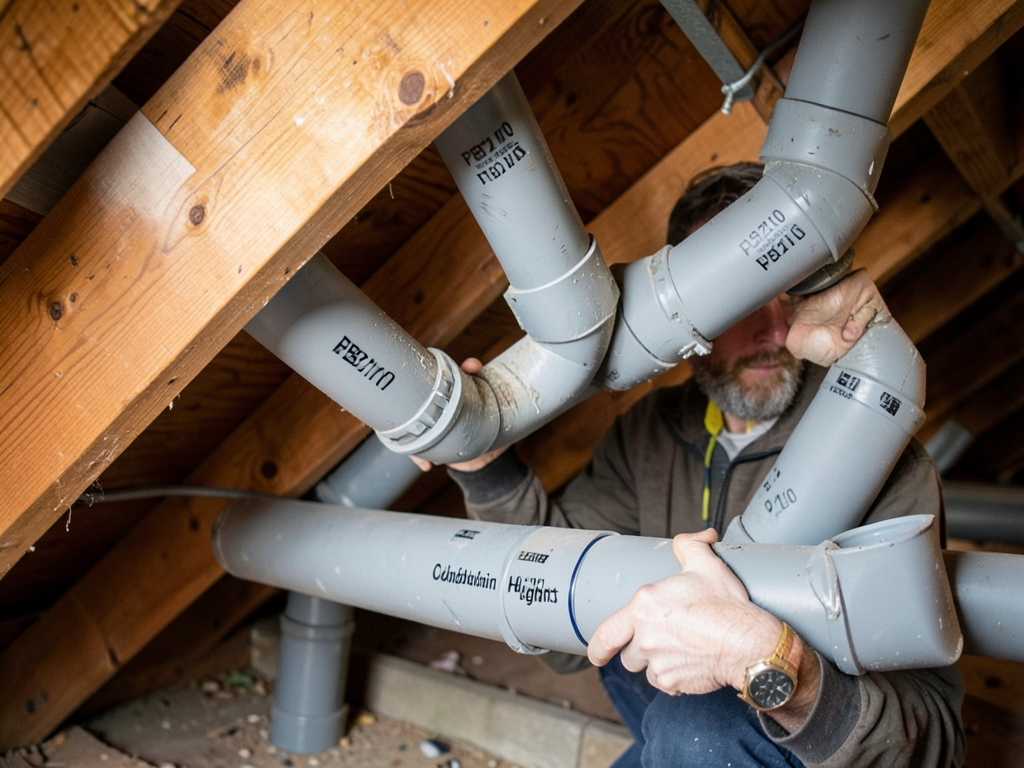
Replacing Dangerous Polybutylene Pipes in Your Colonial Heights Home
If your Colonial Heights home was built between 1978 and 1995, you might be living with a ticking time bomb in your walls. Polybutylene pipes, those gray plastic pipes nicknamed “PB” or “Quest pipes,” were installed in thousands of Sacramento homes during that era. Today, we know they’re prone to sudden failure, causing thousands in water damage and leaving homeowners with no insurance coverage. Here’s what you need to know about this hidden danger and how to protect your home. The Best Water Heater Replacement Options for North Natomas Homeowners.
Polybutylene pipes were marketed as a cheap alternative to copper, but chlorine in Sacramento’s treated water slowly breaks down the plastic from the inside out. The pipes can look fine on the surface while developing hairline cracks that eventually burst. You might hear a loud pop in the middle of the night or come home to find your living room flooded. This isn’t a maybe problem – it’s a when problem for homes still using these pipes.
The Sacramento area has a particularly high concentration of polybutylene pipes because of the building boom in the 80s and 90s. Neighborhoods like Colonial Heights, where many homes were built during that window, are especially vulnerable. The pipes were used for both main water supply lines and branch lines throughout the house, meaning a failure can happen anywhere – under your slab, in your walls, or in your attic.
Replacing these pipes isn’t just about preventing water damage. Many insurance companies now specifically exclude polybutylene pipes from coverage or charge significantly higher premiums. Some won’t even write a policy for homes with PB pipes. That means if you have a burst pipe, you’re on the hook for every dollar of damage. The problem gets worse when you try to sell – potential buyers often walk away when they see polybutylene pipes during inspection, or they demand a massive price reduction to cover the replacement cost.
The good news is that replacing polybutylene pipes is a straightforward process when done by experienced professionals. Modern PEX piping offers superior durability and flexibility compared to the old plastic. The repiping process typically takes 2-3 days for an average home, and you’ll have running water for most of that time. We use techniques that minimize wall damage and restore everything to its original condition when we’re done.
Don’t wait for disaster to strike. If you suspect your Colonial Heights home has polybutylene pipes, call (209) 260-0077 today for a free inspection. Our team can identify these dangerous pipes and provide you with a clear plan for replacement before you experience costly water damage. How to Spot a Slab Leak in Your Land Park Home Before It Causes Serious Damage.
How to Identify Polybutylene Pipes in Your Colonial Heights Home
Identifying polybutylene pipes is the first step to protecting your home. These pipes have several distinctive characteristics that make them relatively easy to spot if you know what to look for. Here’s how to check your home for these dangerous pipes. Protecting Your Pocket-Greenhaven Home from Flooding with a New Sump Pump.
Polybutylene pipes are typically gray, blue, or black plastic pipes with a dull, matte finish. They’re often stamped with “PB2110” or “PB” somewhere along their length. The gray variety is most common in Sacramento homes. These pipes are usually about 1/2 to 1 inch in diameter for residential use. Unlike modern PEX pipes which are more flexible and have a shinier appearance, polybutylene pipes are somewhat rigid and have a waxy feel to them.
Look for these pipes in your utility room, water heater closet, or where the main water line enters your home. You might also find them under sinks, behind toilets, or in your attic if you have a slab foundation. Pay special attention to any plastic pipes that appear to be connected with metal fittings – polybutylene pipes often used acetal (plastic) fittings that are notorious for failing, especially when paired with certain types of metal connectors.
Here’s a quick comparison to help you identify what you’re looking at:
| Feature | Polybutylene | PEX | Copper |
|---|---|---|---|
| Color | Gray, blue, or black | Red, blue, white, or orange | Reddish-brown |
| Flexibility | Semi-rigid | Very flexible | Rigid |
| Markings | PB2110 or PB | PEX-A, PEX-B, or PEX-C | No markings (usually) |
| Age in Sacramento | 1978-1995 | 1990s-present | 1940s-present |
If you’re still unsure, check your home’s build date. Homes built in Colonial Heights between 1978 and 1995 have a high likelihood of containing polybutylene pipes. You can also look for the “Quest” brand name, which was a major manufacturer of these pipes. Some homes may have documentation from when they were built that mentions the plumbing materials used.
Another telltale sign is the type of fittings used. Polybutylene pipes often used acetal fittings, which are white plastic connectors that join sections of pipe together. These fittings are particularly problematic because they’re susceptible to cracking and separating under pressure. If you see white plastic fittings connecting gray pipes, you’re likely looking at polybutylene plumbing that needs replacement. EPA information on chlorine in drinking water.
For complete peace of mind, consider having a professional plumber inspect your home. We offer free inspections where we can definitively identify polybutylene pipes and assess their condition. Don’t wait until you have a flood – call (209) 260-0077 to schedule your inspection today.
The Hidden Dangers of Polybutylene Pipes in Sacramento Homes
Polybutylene pipes fail for several reasons, but the primary culprit is chlorine in municipal water supplies. Sacramento’s water treatment process includes chlorine to kill bacteria and make the water safe to drink. However, this same chlorine slowly degrades polybutylene plastic from the inside out, causing it to become brittle and develop microscopic cracks that grow over time.
The degradation process is insidious because it happens from the inside where you can’t see it. A pipe might look perfectly fine on the outside while being paper-thin internally. This is why polybutylene pipes are often called “time bombs” – they can fail catastrophically without any warning signs. When they do fail, they typically burst under pressure, releasing hundreds of gallons of water per hour into your home.
Temperature fluctuations in Sacramento exacerbate the problem. Our hot summers cause pipes to expand, while cooler winters make them contract. This constant expansion and contraction stresses already weakened polybutylene pipes, accelerating their failure. Homes in areas like Colonial Heights, which experience significant temperature swings between seasons, see faster degradation of these pipes.
Another danger is the way polybutylene pipes were installed. They were often run through walls, under slabs, and in attics without proper support or protection. When a pipe fails in a hidden location, the water damage can be extensive before anyone notices. A burst pipe in an attic can soak through ceilings and walls, ruining insulation, drywall, and personal belongings before you even know there’s a problem.
Insurance companies have taken notice of these risks. Many now specifically exclude polybutylene pipes from standard homeowners policies. Some companies will only offer coverage if you replace the pipes first. Others charge premiums that are 50-100% higher for homes with PB pipes. This creates a catch-22 situation where you need insurance most when your pipes are most likely to fail, but you can’t get affordable coverage.
The financial impact extends beyond just insurance. Homes with polybutylene pipes typically sell for 10-15% less than comparable homes with modern plumbing. Buyers are increasingly educated about these risks and factor the replacement cost into their offers. Some won’t even consider making an offer on a home with PB pipes, knowing they’ll have to replace them immediately after purchase.
According to California Building Code Section 5610, polybutylene pipes are no longer approved for use in new construction or repairs. This means that if you need to make any plumbing repairs to existing polybutylene pipes, you’ll be required to replace entire sections rather than just fixing the damaged portion. This regulation exists because the code recognizes the inherent risks and unreliability of these pipes.
The health risks shouldn’t be overlooked either. As polybutylene pipes degrade, they can leach chemicals into your drinking water. While the levels are typically below EPA limits, many homeowners report changes in water taste and odor from aging PB pipes. Some families choose to replace these pipes specifically for water quality concerns, even before they experience a catastrophic failure.
Don’t let your Colonial Heights home become another polybutylene statistic. The cost of proactive replacement is always less than the cost of emergency repairs and water damage restoration. Call (209) 260-0077 today to learn about your replacement options and protect your home from these hidden dangers. Fast Emergency Plumbers in Midtown Sacramento for After Hours Repairs.
Our Sacramento Polybutylene Repiping Process
Replacing polybutylene pipes is a significant project, but our proven process minimizes disruption and ensures quality results. We’ve refined our approach over years of experience with Sacramento homes, particularly in neighborhoods like Colonial Heights where these pipes are common. Here’s what you can expect when you choose us for your repiping project.
Step 1: Comprehensive Inspection and Planning. We start with a detailed inspection of your existing plumbing system. Using advanced camera technology, we map out every polybutylene pipe in your home, including those hidden in walls or under floors. We document the pipe locations, assess their condition, and create a customized replacement plan. This planning phase is crucial because it allows us to minimize wall cuts and complete the job efficiently.
Step 2: Preparing Your Home. Before we begin work, we protect your belongings and living spaces. We cover floors with protective materials, seal off work areas with plastic sheeting to contain dust, and move furniture as needed. We also shut off your main water supply and drain the existing plumbing system to prepare for removal.
Step 3: Safe Removal of Polybutylene Pipes. Our technicians carefully remove all polybutylene pipes and fittings. We use specialized tools to cut pipes cleanly and extract them without damaging surrounding structures. We pay special attention to areas where pipes penetrate walls or floors, ensuring these openings are properly sealed after removal. All removed materials are disposed of according to California environmental regulations.
Step 4: Installing Modern PEX Piping. We install Uponor PEX-A piping, which is the highest quality PEX available. PEX-A offers superior flexibility, allowing us to run pipes through walls with fewer connections and less chance of leaks. This material is also resistant to chlorine degradation, scale buildup, and freezing – problems that plagued polybutylene pipes. We use proper support brackets, insulation where needed, and all connections meet or exceed current California plumbing codes.
Step 5: Pressure Testing and Quality Control. After installation, we conduct rigorous pressure testing on the entire system. We pressurize the pipes to 1.5 times normal operating pressure and monitor for 24 hours to ensure there are no leaks. We also test all fixtures, drains, and water-using appliances to verify proper function. This testing phase is where we catch and correct any issues before they become problems. Why the Drains in Your Arden-Arcade House Keep Clogging Up.
Step 6: Restoration and Cleanup. Once testing is complete, we restore your home to its original condition or better. We patch all wall openings with drywall, match textures, and paint to blend with existing finishes. We clean all work areas thoroughly, removing all construction debris and leaving your home spotless. We also provide you with documentation of the work completed, including before and after photos and warranty information.
The entire process typically takes 2-3 days for an average Colonial Heights home. During this time, you’ll have running water for most of each day, with planned interruptions only during specific phases of the work. We coordinate these interruptions to minimize inconvenience, often scheduling them during times when you’re away from home.
Here’s a comparison of what you get with our process versus a basic replacement:
| Aspect | Basic Replacement | Our Complete Process |
|---|---|---|
| Initial Inspection | Visual only | Camera inspection + detailed mapping |
| Piping Material | Standard PEX | Uponor PEX-A (premium) |
| Testing | Basic pressure test | 24-hour pressure test + fixture testing |
| Wall Restoration | Basic patching | Texture matching + painting |
| Cleanup | Basic sweeping | Professional cleaning + debris removal |
| Warranty | 1 year | Lifetime on parts + 10 years on labor |
We stand behind our work with one of the best warranties in the Sacramento area. Our lifetime parts warranty and 10-year labor warranty mean you can have confidence in the quality of our installation. We’ve also invested in specialized equipment that allows us to complete repiping projects with minimal wall damage – often saving you hundreds in drywall repair costs compared to other companies.
Every repiping project includes a final walkthrough with you to ensure complete satisfaction. We’ll show you the new piping, explain the system operation, and provide maintenance tips to maximize the life of your new plumbing. We also offer annual inspections to check the system and address any concerns that might arise.
Ready to eliminate the risk of polybutylene pipes from your Colonial Heights home? Call (209) 260-0077 today to schedule your free inspection and get a detailed quote for replacement. Don’t wait for a flood to take action.
Understanding the Cost of Polybutylene Replacement in Sacramento
The cost of replacing polybutylene pipes varies based on several factors specific to your Colonial Heights home. Understanding these factors can help you budget appropriately and make informed decisions about your repiping project. While we can’t provide exact quotes without inspecting your home, here’s what influences the overall cost.
Size of Your Home: The square footage and number of plumbing fixtures directly impact the cost. A larger home with more bathrooms, kitchens, and utility areas requires more piping materials and labor time. A 1,500-square-foot home with one bathroom might cost significantly less than a 3,000-square-foot home with three bathrooms and a laundry room.
Accessibility of Existing Pipes: Pipes that are easily accessible in crawl spaces or unfinished basements cost less to replace than those hidden in walls or under concrete slabs. Homes in Colonial Heights built on slabs present additional challenges because the main water lines run under the concrete. We may need to tunnel or work through walls to access these pipes, increasing labor time and complexity.
Scope of Replacement: Some homeowners choose to replace only the main supply lines while leaving branch lines temporarily, while others opt for complete whole-house repiping. Partial replacement costs less upfront but may not fully protect your home from polybutylene risks. We recommend whole-house replacement for complete peace of mind and to avoid future compatibility issues.
Material Selection: While all PEX piping is superior to polybutylene, there are quality differences. Uponor PEX-A, which we recommend, costs more than basic PEX but offers better flexibility, durability, and warranty coverage. The additional cost is typically offset by easier installation and fewer connection points, which reduces the chance of future leaks.
Permit and Inspection Requirements: Sacramento County requires permits for whole-house repiping projects. The permit cost is typically $200-$500 depending on your municipality. We handle all permitting and inspections as part of our service, ensuring your project meets all local building codes and passes final inspection.
Restoration Needs: The extent of wall repair and restoration needed after pipe replacement affects the total cost. Homes with textured walls, wallpaper, or custom finishes require more detailed restoration work. We provide detailed estimates for any necessary drywall repair, texture matching, and painting so there are no surprises.
Here’s a general cost range for different home sizes in the Sacramento area:
- Small home (1-2 bedrooms, 1 bath): $4,000 – $6,000
- Medium home (2-3 bedrooms, 1-2 baths): $6,000 – $9,000
- Large home (3+ bedrooms, 2+ baths): $9,000 – $14,000
- Mansion or custom home: $14,000+
These ranges include materials, labor, permits, and basic restoration. They don’t include optional upgrades like adding more fixtures or moving plumbing for remodeling. We provide firm, written quotes after our inspection, so you’ll know exactly what to expect before any work begins.
Financing options are available for qualified homeowners. We offer payment plans that can spread the cost over several months or years, making this important investment more manageable. Some homeowners also choose to use home equity loans or lines of credit, which may offer tax advantages for home improvements.
Consider the cost of not replacing your pipes as well. A single burst pipe can cause $10,000-$50,000 in water damage, not including the cost of emergency plumbing services and temporary housing if needed. When you factor in potential insurance premium increases or coverage denials, the long-term cost of keeping polybutylene pipes becomes even higher.
We understand that repiping is a significant investment, which is why we offer free, no-obligation quotes. Our estimators will walk through your Colonial Heights home, answer all your questions, and provide a detailed proposal with multiple options to fit your budget and needs. We never use high-pressure sales tactics – we believe you should have all the information needed to make the best decision for your home.
Ready to get a detailed quote for your polybutylene replacement? Call (209) 260-0077 today to schedule your free inspection. Our team will provide you with a clear, upfront price and explain all your options.
Local Case Study: Colonial Heights Home Repiping Success
The Johnson family in Colonial Heights had lived in their 1985-built home for 15 years before discovering they had polybutylene pipes. They noticed occasional drops in water pressure and a slight metallic taste, but didn’t think much of it until their neighbor experienced a catastrophic pipe burst that flooded their entire first floor. That incident prompted the Johnsons to call us for an inspection.
Our initial inspection revealed extensive polybutylene piping throughout the home, including the telltale gray pipes in the attic and blue pipes under the sinks. The pipes showed signs of internal degradation – they appeared fine externally but were already developing the brittleness characteristic of failing polybutylene. The Johnsons were particularly concerned because they were planning to put their home on the market within the next year.
We recommended whole-house repiping using Uponor PEX-A piping. The Johnsons appreciated our detailed explanation of the process and our willingness to answer all their questions. They chose our premium package, which included complete wall restoration and a 10-year labor warranty. We scheduled the work for a time when they could stay with family members to minimize disruption.
The repiping process took three days. Our team worked efficiently to remove all polybutylene pipes while carefully protecting the Johnsons’ hardwood floors and recently updated kitchen. We discovered that some pipes ran through unusual paths in the walls, which explained the occasional pressure drops they had experienced. These were all corrected during the replacement.
After installation, we conducted our standard 24-hour pressure test. The new PEX-A system held pressure perfectly, and all fixtures tested properly. The restoration work blended seamlessly with the existing finishes – the Johnsons’ friends couldn’t tell where we had accessed the walls. We also provided documentation showing the new plumbing installation, which would be valuable for potential buyers.
Three months later, the Johnsons sold their home for their asking price. The new buyers specifically mentioned that the updated plumbing was a major factor in their decision. The home inspection went smoothly, with the inspector noting the quality of the repiping work. The Johnsons estimated they recovered the cost of the repiping in the increased sale price and avoided potential negotiations that might have occurred if the polybutylene pipes had been discovered during inspection.
The Johnsons later told us that the peace of mind alone was worth the investment. They no longer worry about waking up to a flooded home or dealing with the insurance complications that often accompany polybutylene pipe failures. They also appreciated the improved water pressure and the elimination of the metallic taste they had grown accustomed to over the years.
This case is typical of many we handle in Colonial Heights and surrounding Sacramento neighborhoods. Homes built during the polybutylene era share similar characteristics and face the same risks. Our experience with these specific home styles and construction methods allows us to work efficiently and deliver consistent results.
Every home and situation is unique, which is why we provide personalized assessments rather than one-size-fits-all quotes. The Johnson family’s experience shows how addressing polybutylene pipes proactively can protect your home’s value and provide peace of mind. If you’re concerned about the pipes in your Colonial Heights home, call (209) 260-0077 for a free inspection. We’ll help you understand your options and make the best decision for your situation.
Frequently Asked Questions
How can I tell if my Colonial Heights home has polybutylene pipes?
Polybutylene pipes are typically gray, blue, or black plastic pipes with a dull finish. Look for pipes stamped with “PB2110” or “PB” along their length. These pipes were commonly used in homes built between 1978 and 1995 in Sacramento. Check under sinks, in utility rooms, and where the main water line enters your home. If you’re unsure, we offer free inspections to identify polybutylene pipes and assess their condition.
Is polybutylene pipe replacement covered by homeowners insurance?
Most standard homeowners insurance policies do not cover the cost of replacing polybutylene pipes, as this is considered a preventable maintenance issue rather than sudden damage. However, if a polybutylene pipe bursts and causes water damage, your policy might cover the damage restoration but not the pipe replacement itself. Some insurance companies may offer partial coverage or discounts if you can prove you’ve replaced the pipes. We recommend checking with your insurance provider about your specific coverage.
How long does it take to replace polybutylene pipes in a typical home?
For an average Colonial Heights home, complete polybutylene replacement typically takes 2-3 days. This includes removing the old pipes, installing new PEX piping, pressure testing the system, and basic restoration of any wall openings. During this time, you’ll have running water for most of each day, with planned interruptions only during specific phases of the work. Larger homes or those with complex layouts may require additional time.
What type of piping do you recommend as a replacement for polybutylene?
We recommend Uponor PEX-A piping for polybutylene replacement. PEX-A offers superior flexibility, making installation easier and requiring fewer connection points (which reduces leak potential). It’s also highly resistant to chlorine degradation, scale buildup, and freezing – problems that affected polybutylene pipes. PEX-A comes with a lifetime warranty and meets all current California plumbing codes. We’ve found it to be the most reliable and cost-effective replacement option for Sacramento homes.
Will I need to move out during the repiping process?
Most homeowners don’t need to completely move out during repiping. You can typically stay in your home, though you might want to stay with family or in a hotel for the nights when we’re doing the most disruptive work. We schedule water shut-offs during daytime hours when it’s least disruptive, and we restore water service each evening. If you have specific health concerns or prefer not to be in the home during construction, we can help you plan accordingly.
How much does polybutylene pipe replacement cost in Sacramento?
The cost varies based on your home’s size, accessibility of existing pipes, and the scope of work needed. For Colonial Heights homes, prices typically range from $4,000 to $14,000 depending on these factors. We provide free, detailed quotes after inspecting your home, so you’ll know the exact cost before any work begins. We also offer financing options to make this important investment more manageable.
Can I just repair the polybutylene pipes instead of replacing them?
While you can make spot repairs to polybutylene pipes, this approach is generally not recommended. Repairing one section doesn’t address the risk of other pipes failing, and you may have to deal with multiple repairs over time. Additionally, California building codes now prohibit using polybutylene for repairs, so you’d need to transition to PEX anyway. Most homeowners find that whole-house replacement is more cost-effective in the long run and provides complete peace of mind.
What are the risks of keeping polybutylene pipes in my home?
The primary risks include sudden pipe failure causing extensive water damage, insurance coverage denial or premium increases, decreased home value, and potential health concerns from chemical leaching. Polybutylene pipes are prone to catastrophic failure without warning, often bursting under normal water pressure. The damage from a single burst pipe can easily exceed $10,000-$50,000 in restoration costs, not including the inconvenience and stress of dealing with the aftermath.
Do you offer any warranties on polybutylene replacement work?
Yes, we offer one of the best warranties in the Sacramento area. Our polybutylene replacement work includes a lifetime warranty on all parts and a 10-year warranty on labor. This means we’ll repair any issues related to our installation at no cost to you for 10 years. The PEX-A piping itself also carries a lifetime manufacturer’s warranty. We provide all warranty documentation and stand behind our work with prompt, professional service if any issues arise.
How do I schedule a free inspection for my Colonial Heights home?
Scheduling a free inspection is easy. Simply call us at (209) 260-0077 or fill out the contact form on our website. We’ll arrange a convenient time to visit your home, examine your plumbing system, and provide a detailed assessment. Our inspections are completely free with no obligation. We’ll answer all your questions and provide a written quote if replacement is recommended. Don’t wait for a flood to take action – call today to protect your home. For more information, visit International Association of Plumbing and Mechanical Officials.
{
“@context”: “https://schema.org”,
“@type”: “BlogPosting”,
“headline”: “Replacing Dangerous Polybutylene Pipes in Your Colonial Heights Home”,
“description”: “Discover why polybutylene pipes are failing in Colonial Heights homes and how to replace them safely. Learn about Sacramento’s PB pipe crisis and get a free inspection today.”,
“wordCount”: 4256,
“datePublished”: “2026-04-24T09:17:00.000Z”,
“dateModified”: “2026-04-24T09:17:00.000Z”,
“inLanguage”: “en-US”,
“mainEntityOfPage”: {
“@type”: “WebPage”,
“@id”: “https://apexplumbingsacramento.com”
},
“publisher”: {
“@type”: “LocalBusiness”,
“name”: “Apex Plumbing Sacramento”,
“url”: “https://apexplumbingsacramento.com”
},
“author”: {
“@type”: “Organization”,
“name”: “Apex Plumbing Sacramento”,
“url”: “https://apexplumbingsacramento.com”
},
“image”: {
“@type”: “ImageObject”,
“url”: “https://apexplumbingsacramento.com/wp-content/uploads/2026/03/replacing-dangerous-polybutylene-pipes-in-your-col-1.png”
}
}
{
“@context”: “https://schema.org”,
“@type”: “Plumber”,
“name”: “Apex Plumbing Sacramento”,
“url”: “https://apexplumbingsacramento.com”,
“address”: {
“@type”: “PostalAddress”,
“addressLocality”: “Sacramento”
},
“areaServed”: {
“@type”: “City”,
“name”: “Sacramento”
}
}
{
“@context”: “https://schema.org”,
“@type”: “FAQPage”,
“mainEntity”: [
{
“@type”: “Question”,
“name”: “How can I tell if my Colonial Heights home has polybutylene pipes?”,
“acceptedAnswer”: {
“@type”: “Answer”,
“text”: “Polybutylene pipes are typically gray, blue, or black plastic pipes with a dull finish. Look for pipes stamped with \”PB2110\” or \”PB\” along their length. These pipes were commonly used in homes built between 1978 and 1995 in Sacramento. Check under sinks, in utility rooms, and where the main water line enters your home. If you’re unsure, we offer free inspections to identify polybutylene pipes and assess their condition.”
}
},
{
“@type”: “Question”,
“name”: “Is polybutylene pipe replacement covered by homeowners insurance?”,
“acceptedAnswer”: {
“@type”: “Answer”,
“text”: “Most standard homeowners insurance policies do not cover the cost of replacing polybutylene pipes, as this is considered a preventable maintenance issue rather than sudden damage. However, if a polybutylene pipe bursts and causes water damage, your policy might cover the damage restoration but not the pipe replacement itself. Some insurance companies may offer partial coverage or discounts if you can prove you’ve replaced the pipes. We recommend checking with your insurance provider about your specific coverage.”
}
},
{
“@type”: “Question”,
“name”: “How long does it take to replace polybutylene pipes in a typical home?”,
“acceptedAnswer”: {
“@type”: “Answer”,
“text”: “For an average Colonial Heights home, complete polybutylene replacement typically takes 2-3 days. This includes removing the old pipes, installing new PEX piping, pressure testing the system, and basic restoration of any wall openings. During this time, you’ll have running water for most of each day, with planned interruptions only during specific phases of the work. Larger homes or those with complex layouts may require additional time.”
}
},
{
“@type”: “Question”,
“name”: “What type of piping do you recommend as a replacement for polybutylene?”,
“acceptedAnswer”: {
“@type”: “Answer”,
“text”: “We recommend Uponor PEX-A piping for polybutylene replacement. PEX-A offers superior flexibility, making installation easier and requiring fewer connection points (which reduces leak potential). It’s also highly resistant to chlorine degradation, scale buildup, and freezing – problems that affected polybutylene pipes. PEX-A comes with a lifetime warranty and meets all current California plumbing codes. We’ve found it to be the most reliable and cost-effective replacement option for Sacramento homes.”
}
},
{
“@type”: “Question”,
“name”: “Will I need to move out during the repiping process?”,
“acceptedAnswer”: {
“@type”: “Answer”,
“text”: “Most homeowners don’t need to completely move out during repiping. You can typically stay in your home, though you might want to stay with family or in a hotel for the nights when we’re doing the most disruptive work. We schedule water shut-offs during daytime hours when it’s least disruptive, and we restore water service each evening. If you have specific health concerns or prefer not to be in the home during construction, we can help you plan accordingly.”
}
},
{
“@type”: “Question”,
“name”: “How much does polybutylene pipe replacement cost in Sacramento?”,
“acceptedAnswer”: {
“@type”: “Answer”,
“text”: “The cost varies based on your home’s size, accessibility of existing pipes, and the scope of work needed. For Colonial Heights homes, prices typically range from $4,000 to $14,000 depending on these factors. We provide free, detailed quotes after inspecting your home, so you’ll know the exact cost before any work begins. We also offer financing options to make this important investment more manageable.”
}
},
{
“@type”: “Question”,
“name”: “Can I just repair the polybutylene pipes instead of replacing them?”,
“acceptedAnswer”: {
“@type”: “Answer”,
“text”: “While you can make spot repairs to polybutylene pipes, this approach is generally not recommended. Repairing one section doesn’t address the risk of other pipes failing, and you may have to deal with multiple repairs over time. Additionally, California building codes now prohibit using polybutylene for repairs, so you’d need to transition to PEX anyway. Most homeowners find that whole-house replacement is more cost-effective in the long run and provides complete peace of mind.”
}
},
{
“@type”: “Question”,
“name”: “What are the risks of keeping polybutylene pipes in my home?”,
“acceptedAnswer”: {
“@type”: “Answer”,
“text”: “The primary risks include sudden pipe failure causing extensive water damage, insurance coverage denial or premium increases, decreased home value, and potential health concerns from chemical leaching. Polybutylene pipes are prone to catastrophic failure without warning, often bursting under normal water pressure. The damage from a single burst pipe can easily exceed $10,000-$50,000 in restoration costs, not including the inconvenience and stress of dealing with the aftermath.”
}
},
{
“@type”: “Question”,
“name”: “Do you offer any warranties on polybutylene replacement work?”,
“acceptedAnswer”: {
“@type”: “Answer”,
“text”: “Yes, we offer one of the best warranties in the Sacramento area. Our polybutylene replacement work includes a lifetime warranty on all parts and a 10-year warranty on labor. This means we’ll repair any issues related to our installation at no cost to you for 10 years. The PEX-A piping itself also carries a lifetime manufacturer’s warranty. We provide all warranty documentation and stand behind our work with prompt, professional service if any issues arise.”
}
},
{
“@type”: “Question”,
“name”: “How do I schedule a free inspection for my Colonial Heights home?”,
“acceptedAnswer”: {
“@type”: “Answer”,
“text”: “Scheduling a free inspection is easy. Simply call us at (209) 260-0077 or fill out the contact form on our website. We’ll arrange a convenient time to visit your home, examine your plumbing system, and provide a detailed assessment. Our inspections are completely free with no obligation. We’ll answer all your questions and provide a written quote if replacement is recommended. Don’t wait for a flood to take action – call today to protect your home. For more information, visit International Association of Plumbing and Mechanical Officials.”
}
}
]
}
{
“@context”: “https://schema.org”,
“@type”: “BreadcrumbList”,
“itemListElement”: [
{
“@type”: “ListItem”,
“position”: 1,
“name”: “Home”,
“item”: “https://apexplumbingsacramento.com”
},
{
“@type”: “ListItem”,
“position”: 2,
“name”: “Blog”,
“item”: “https://apexplumbingsacramento.com/blog”
},
{
“@type”: “ListItem”,
“position”: 3,
“name”: “Replacing Dangerous Polybutylene Pipes in Your Colonial Heights Home”
}
]
}
{
“@context”: “https://schema.org”,
“@type”: “Service”,
“serviceType”: “Plumbing”,
“provider”: {
“@type”: “LocalBusiness”,
“name”: “Apex Plumbing Sacramento”,
“url”: “https://apexplumbingsacramento.com”
},
“areaServed”: {
“@type”: “City”,
“name”: “Sacramento”
},
“description”: “Discover why polybutylene pipes are failing in Colonial Heights homes and how to replace them safely. Learn about Sacramento’s PB pipe crisis and get a free inspection today.”
}