
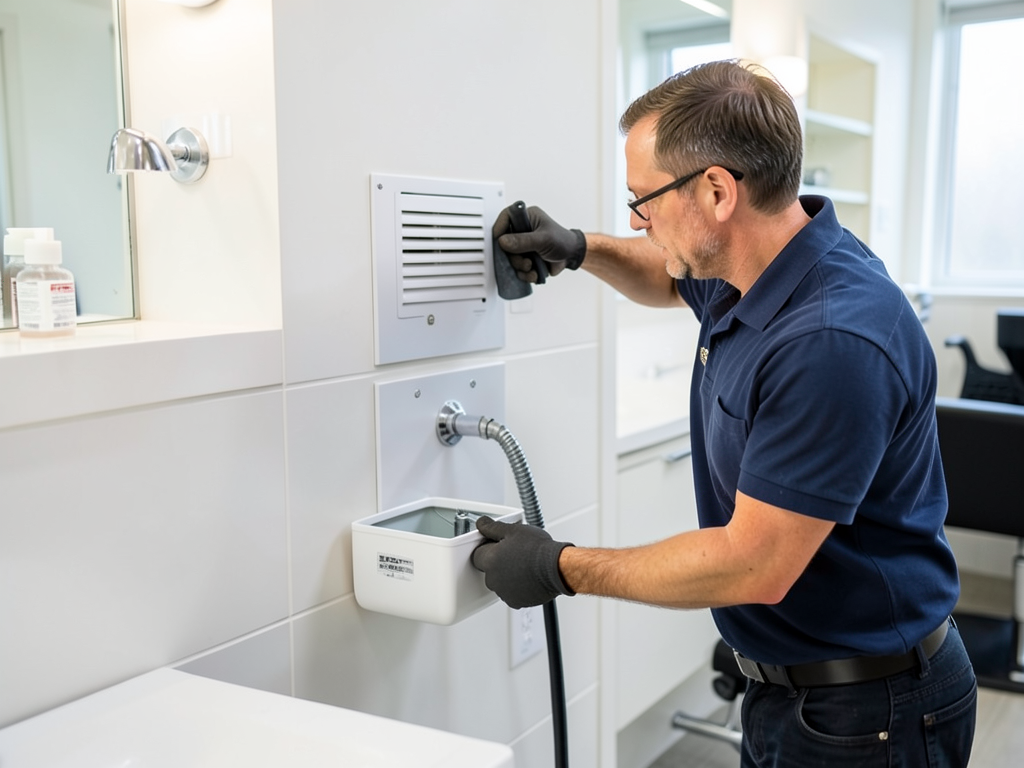
Opening Your Salon in Oak Park Requires More Than Great Haircuts
Starting a hair salon or barbershop in Sacramento’s Oak Park neighborhood means navigating specific plumbing requirements that protect public health and prevent costly violations. The California Plumbing Code and Sacramento County regulations create a framework that every new salon owner must understand before construction begins. These aren’t suggestions—they’re mandatory standards enforced by local inspectors who know exactly what to look for. Sacramento County Environmental Management.
The most critical components include specialized drainage systems for hair and chemicals, proper water heater sizing for multiple shampoo stations, and backflow prevention devices that safeguard Sacramento’s municipal water supply. Missing even one requirement can halt your opening, trigger fines, or force expensive retrofits. Understanding these requirements now saves you from emergency plumbing calls and business interruptions later. The Best Water Heater Replacement Options for North Natomas Homeowners.
Oak Park’s revitalization has brought dozens of new small businesses to the area, but commercial plumbing inspections remain strict. Local inspectors check every connection, trap, and vent before issuing final approval. This guide breaks down exactly what you need, from hair interceptor specifications to the permitting process at the Sacramento Building Assistance Center. How to Spot a Slab Leak in Your Land Park Home Before It Causes Serious Damage.
California Plumbing Code Requirements for Salon Drainage Systems
Salon plumbing faces unique challenges that residential systems cannot handle. Hair, chemical products, and organic debris create clogs that standard drains cannot manage. The California Plumbing Code Title 24 Section 1003 mandates specific drainage configurations for commercial beauty establishments. Why the Drains in Your Arden-Arcade House Keep Clogging Up.
Every shampoo bowl and hair washing station requires a dedicated P-trap with a minimum 1.5-inch diameter pipe. These traps must connect to a centralized solids interceptor—commonly called a hair interceptor—before reaching the main sewer line. The interceptor captures hair, product residue, and debris that would otherwise cause municipal sewer blockages.. Read more about Why Your Land Park Dog Wash Station Needs a Professional Hair Trap.
According to Sacramento County Environmental Management, hair interceptors must meet IAPMO Standard Z1041. These devices require a minimum 20-gallon capacity and removable baskets for cleaning. Local inspectors verify that interceptors are accessible for maintenance and properly vented to prevent sewer gas infiltration. IAPMO Standards.
Oak Park’s older commercial buildings often have cast iron drain lines that require special attention. Hair and chemical buildup in these pipes creates severe blockages that can back up into neighboring businesses. Modern salon installations typically use PVC piping with smooth interiors that resist buildup and allow easier cleaning.
Backflow Prevention: Protecting Sacramento’s Water Supply
Backflow prevention devices prevent contaminated water from flowing backward into clean water lines. Sacramento’s Department of Utilities enforces strict cross-connection control regulations that apply to every salon and barbershop in the city.
Every shampoo bowl requires a vacuum breaker installed on the water supply line. These devices create an air gap that stops contaminated rinse water from siphoning back into the municipal supply if pressure drops suddenly. The California Plumbing Code Section 608.13.1 specifically requires vacuum breakers on all salon fixtures. Plumbing Inspection Checklist.
Local inspectors test backflow prevention devices before final approval. A failed test means your salon cannot open until the device is repaired or replaced. Many Oak Park buildings have older plumbing that requires upgraded backflow preventers to meet current code.. Read more about Permitting and Plumbing Requirements for a New Backyard Cottage in North Sacramento.
Beyond vacuum breakers, salons with chemical mixing stations need reduced pressure principle assemblies. These larger devices protect against chemical backflow during pressure fluctuations. Sacramento County requires annual testing by certified backflow testers—a cost most new salon owners overlook in their initial budget.
Water Heater Sizing for Multiple Shampoo Stations
Salon water heaters face continuous demand that residential units cannot handle. Each shampoo station requires 2-3 gallons per minute at 100-110 degrees Fahrenheit. A salon with four stations needs 8-12 gallons per minute of hot water—far beyond standard residential capacity.
The Sacramento Municipal Utility District recommends tankless water heaters for new salon construction. These units provide endless hot water and eliminate the recovery time required by tanked systems. A typical four-station salon needs a tankless unit rated for at least 200,000 BTU per hour.
Tanked water heaters remain common in salon retrofits. A 50-gallon commercial gas water heater provides adequate capacity but requires proper venting and seismic bracing per California Building Code Section 1006.4. Electric units need dedicated 240-volt circuits and may require electrical panel upgrades.
Oak Park’s commercial buildings often have limited utility space. Tankless units mount on walls, freeing floor space for other equipment. They also reduce energy costs since they heat water only when needed rather than maintaining temperature 24/7.. Read more about Handling Clogged Floor Drains in Your Executive Airport Area Commercial Kitchen.
Hair Interceptors and Grease Traps: What’s the Difference
Many new salon owners confuse hair interceptors with grease traps, but these serve different purposes. Hair interceptors capture solids like hair and debris. Grease traps separate fats, oils, and greases from wastewater. Both are mandatory for different types of businesses.
Salons need hair interceptors but not grease traps unless they offer chemical services that generate oily waste. The interceptor must be sized for your peak flow rate. A salon with four shampoo bowls needs an interceptor rated for at least 20 gallons per minute.
Installation requires specific elevation to allow gravity flow. The interceptor must sit below the lowest fixture but above the main sewer connection. This often means creating a recessed floor area or using a below-floor model with a pump system.
Maintenance frequency depends on usage. A busy salon may need interceptor cleaning every two weeks. Sacramento County requires documented cleaning schedules and disposal receipts to prove proper waste handling. Missing maintenance can result in fines and failed inspections.
ADA Compliance for Salon Fixtures and Layout
The Americans with Disabilities Act requires accessible features in all new commercial construction. Salon owners must provide at least one accessible shampoo station with specific dimensions and clearances.
Accessible shampoo bowls require a minimum 30-inch approach width and 27-inch knee clearance under the bowl. The shampoo chair must adjust to allow transfers from wheelchairs. Faucets need lever handles or touch controls that operate with one hand without tight grasping.. Read more about High End Faucet Brands That Are Actually Easy to Repair in Wilhaggin.
Floor space around the accessible station must accommodate a 30-inch by 48-inch clear floor area. This allows a wheelchair to make a 180-degree turn. Many Oak Park salons incorporate these features into their main shampoo area rather than creating a separate accessible station.
Signage must include the International Symbol of Accessibility. Emergency shut-off controls need to be reachable from a seated position. These requirements affect your floor plan and fixture selection from the design phase. Fast Emergency Plumbers in Midtown Sacramento for After Hours Repairs.
The Sacramento Permitting Process for Salon Plumbing
Obtaining plumbing permits in Sacramento requires submitting detailed plans to the Building Assistance Center. The process takes 2-4 weeks for review and approval before any work begins.
Your plans must show fixture locations, pipe sizes, backflow preventer locations, and interceptor specifications. Sacramento County requires a licensed C-36 contractor to stamp and sign all plumbing plans. DIY plumbing installations are not permitted for commercial salons.
After approval, you receive permits that must be posted at the job site. Work cannot begin until permits are visible. Inspections occur at specific stages: underground before concrete pours, rough-in before wall closure, and final before occupancy.
Failed inspections add delays and costs. Common reasons include missing backflow preventers, incorrect pipe sizing, or inadequate venting. Having a plumber familiar with Sacramento’s inspection process prevents these issues.
Permits cost 1-2% of the total plumbing project value. A typical salon installation might cost $3,000-5,000 in permit fees alone. These fees are non-refundable even if you abandon the project.
Common Plumbing Mistakes That Delay Salon Openings
New salon owners often underestimate plumbing complexity, leading to costly delays. One common mistake is installing fixtures before finalizing the plumbing plan. Moving shampoo bowls after rough-in requires extensive rework and new inspections.
Another frequent error involves venting. Every P-trap needs proper venting to prevent trap siphoning. Inadequate venting causes slow drainage and sewer gas odors. Inspectors check vent connections before approving final occupancy.
Using residential-grade fixtures saves money initially but fails under commercial use. Salon shampoo bowls see 8-12 hours of daily use. Residential fixtures wear out within months, requiring replacement and additional inspections.
Ignoring water pressure requirements causes problems. Sacramento’s municipal supply varies by location. Some Oak Park buildings need pressure-boosting pumps to maintain adequate flow at multiple shampoo stations simultaneously.
Finally, skipping the pre-opening inspection walkthrough guarantees surprises. Schedule your plumber for a final check 48 hours before your grand opening. This catches minor issues before the official inspector arrives.
Cost Factors for Salon Plumbing Installation
Salon plumbing costs vary based on building age, fixture count, and code requirements. A basic installation for a two-chair barbershop might cost $8,000-12,000. A full-service salon with four shampoo stations typically runs $15,000-25,000.
Older buildings require more work. Cast iron drain replacement, electrical upgrades for water heaters, and structural modifications add $5,000-10,000 to base costs. Oak Park’s historic commercial buildings often need extensive updates to meet current codes.
Fixture quality significantly impacts price. Commercial-grade shampoo bowls cost $500-1,000 each versus $200-400 for residential models. Backflow preventers range from $300-800 depending on size and type. Hair interceptors cost $800-2,000 based on capacity.
Labor rates in Sacramento average $85-125 per hour for licensed plumbers. Complex installations requiring after-hours work cost 1.5x standard rates. Emergency repairs during construction can double your plumbing budget.
Factor in soft costs like permit fees, inspection fees, and potential re-work. Budget an additional 15-20% of your plumbing estimate for these contingencies.
Maintenance Requirements to Keep Your Salon Compliant
Plumbing compliance doesn’t end with your final inspection. Sacramento County requires ongoing maintenance to keep your salon operating legally.
Hair interceptors need cleaning every 2-4 weeks depending on usage. Document each cleaning with dates, waste disposal receipts, and technician signatures. Inspectors may request these records during routine visits.
Backflow preventers require annual testing by certified professionals. Test results must be submitted to Sacramento’s Cross-Connection Control Program. Failed tests require immediate repair and retesting before your salon can continue operations.
Water heaters need annual flushing to remove mineral buildup from Sacramento’s hard water. This extends equipment life and maintains efficiency. Commercial units typically last 8-12 years versus 12-15 years for residential models under heavy use.
Inspect drains monthly for slow drainage, which indicates interceptor issues. Address gurgling sounds or sewer odors immediately—these signal venting problems that can escalate quickly.
Keep contact information for emergency plumbing services readily available. A major backup during business hours can close your salon for days while repairs are made.
Why Local Experience Matters for Salon Plumbing
Salon plumbing in Oak Park requires knowledge of local conditions that out-of-area contractors lack. Sacramento’s soil composition, water quality, and building practices create unique challenges.
Oak Park’s commercial buildings often have mixed systems—some areas upgraded, others original. A plumber familiar with local building patterns knows which walls likely contain cast iron versus modern piping. This prevents costly exploratory demolition.
Local plumbers understand Sacramento’s inspection preferences. Some inspectors emphasize venting details while others focus on accessibility features. Knowing these preferences prevents minor issues from becoming major delays.
Emergency response times matter when your salon faces plumbing failures. Local contractors arrive faster and carry common replacement parts for Sacramento’s most frequent issues. This minimizes downtime and lost revenue.
Finally, established local plumbers have relationships with inspectors and permit technicians. These connections help navigate the approval process more smoothly, especially for complex installations requiring multiple agency approvals.
Future-Proofing Your Salon Plumbing Design
Design your salon plumbing with future growth in mind. Installing larger pipes than currently needed costs little extra during construction but allows easy expansion later.
Consider a modular design for shampoo stations. Standard plumbing rough-ins every 4-5 feet along a wall allow you to add or relocate stations without major reconstruction. This flexibility proves valuable as your business evolves.
Install isolation valves on every fixture. These allow you to shut off individual stations for maintenance without closing your entire salon. They also prevent a single fixture failure from affecting all your operations.
Plan for technology integration. Modern salons use digital scheduling, point-of-sale systems, and even smart water monitoring. Include dedicated electrical circuits and data ports near plumbing fixtures for future upgrades.
Finally, document everything. Create as-built drawings showing all valve locations, cleanouts, and access panels. This documentation proves invaluable for future maintenance, remodeling, or when selling your business.
Frequently Asked Questions
How long does salon plumbing installation typically take?
Most salon plumbing installations require 2-3 weeks from start to finish. This includes rough-in plumbing, fixture installation, testing, and final inspection. Complex installations in older buildings may take 4-6 weeks.
Can I use residential fixtures in my commercial salon?
No. Sacramento County requires commercial-grade fixtures for all salon installations. Residential fixtures lack the durability and capacity for continuous commercial use and will fail inspection.
What happens if my plumbing fails final inspection?
You must correct all deficiencies and request a new inspection. Common failures include missing backflow preventers, inadequate venting, or non-compliant fixture spacing. Each re-inspection adds 3-5 business days to your timeline.
How much should I budget for salon plumbing?
Budget $15,000-25,000 for a typical salon with 3-4 shampoo stations. This includes all fixtures, piping, water heater, hair interceptor, and permit fees. Older buildings may require $5,000-10,000 additional for upgrades.
Who can perform salon plumbing work in Sacramento?
Only licensed C-36 plumbing contractors can perform commercial salon plumbing in Sacramento. DIY installations or work by unlicensed individuals will fail inspection and may result in fines.
Do I need special insurance for salon plumbing?
Your general business insurance should cover plumbing-related liabilities. However, consider adding equipment breakdown coverage for water heaters and other expensive components that could disrupt operations.
How often should I clean my hair interceptor?
Clean your hair interceptor every 2-4 weeks depending on usage. Busy salons may need weekly cleaning. Document all maintenance for inspector review.
Ready to Open Your Oak Park Salon? Call Us First
Salon plumbing mistakes can delay your opening by weeks and cost thousands in emergency repairs. Don’t let plumbing issues derail your dream before you even cut your first client’s hair.
Our team understands every code requirement for Sacramento salons and has installed dozens of systems throughout Oak Park. We know which inspectors check what details and how to pass every inspection on the first try.
Call (209) 260-0077 today to schedule your salon plumbing consultation. We’ll review your plans, identify potential issues, and ensure your installation meets every requirement before you apply for permits. Your success is our success—let’s make your Oak Park salon opening flawless.
Don’t wait until problems arise. Pick up the phone and call (209) 260-0077 now. Your grand opening shouldn’t be delayed by plumbing failures that proper planning could have prevented.
{
“@context”: “https://schema.org”,
“@type”: “BlogPosting”,
“headline”: “Specialized Plumbing Requirements for New Hair Salons and Barbershops in Oak Park”,
“description”: “Complete guide to salon plumbing compliance in Sacramento’s Oak Park. Learn hair interceptor codes, backflow prevention, and permitting requirements for your new barbershop.”,
“wordCount”: 2447,
“datePublished”: “2026-04-29T11:24:00.000Z”,
“dateModified”: “2026-04-29T11:24:00.000Z”,
“inLanguage”: “en-US”,
“mainEntityOfPage”: {
“@type”: “WebPage”,
“@id”: “https://apexplumbingsacramento.com”
},
“publisher”: {
“@type”: “LocalBusiness”,
“name”: “Apex Plumbing Sacramento”,
“url”: “https://apexplumbingsacramento.com”
},
“author”: {
“@type”: “Organization”,
“name”: “Apex Plumbing Sacramento”,
“url”: “https://apexplumbingsacramento.com”
},
“image”: {
“@type”: “ImageObject”,
“url”: “https://apexplumbingsacramento.com/wp-content/uploads/2026/03/specialized-plumbing-requirements-for-new-hair-sal-1.png”
}
}
{
“@context”: “https://schema.org”,
“@type”: “Plumber”,
“name”: “Apex Plumbing Sacramento”,
“url”: “https://apexplumbingsacramento.com”,
“address”: {
“@type”: “PostalAddress”,
“addressLocality”: “Sacramento”
},
“areaServed”: {
“@type”: “City”,
“name”: “Sacramento”
}
}
{
“@context”: “https://schema.org”,
“@type”: “FAQPage”,
“mainEntity”: [
{
“@type”: “Question”,
“name”: “How long does salon plumbing installation typically take?”,
“acceptedAnswer”: {
“@type”: “Answer”,
“text”: “Most salon plumbing installations require 2-3 weeks from start to finish. This includes rough-in plumbing, fixture installation, testing, and final inspection. Complex installations in older buildings may take 4-6 weeks.”
}
},
{
“@type”: “Question”,
“name”: “Can I use residential fixtures in my commercial salon?”,
“acceptedAnswer”: {
“@type”: “Answer”,
“text”: “No. Sacramento County requires commercial-grade fixtures for all salon installations. Residential fixtures lack the durability and capacity for continuous commercial use and will fail inspection.”
}
},
{
“@type”: “Question”,
“name”: “What happens if my plumbing fails final inspection?”,
“acceptedAnswer”: {
“@type”: “Answer”,
“text”: “You must correct all deficiencies and request a new inspection. Common failures include missing backflow preventers, inadequate venting, or non-compliant fixture spacing. Each re-inspection adds 3-5 business days to your timeline.”
}
},
{
“@type”: “Question”,
“name”: “How much should I budget for salon plumbing?”,
“acceptedAnswer”: {
“@type”: “Answer”,
“text”: “Budget $15,000-25,000 for a typical salon with 3-4 shampoo stations. This includes all fixtures, piping, water heater, hair interceptor, and permit fees. Older buildings may require $5,000-10,000 additional for upgrades.”
}
},
{
“@type”: “Question”,
“name”: “Who can perform salon plumbing work in Sacramento?”,
“acceptedAnswer”: {
“@type”: “Answer”,
“text”: “Only licensed C-36 plumbing contractors can perform commercial salon plumbing in Sacramento. DIY installations or work by unlicensed individuals will fail inspection and may result in fines.”
}
},
{
“@type”: “Question”,
“name”: “Do I need special insurance for salon plumbing?”,
“acceptedAnswer”: {
“@type”: “Answer”,
“text”: “Your general business insurance should cover plumbing-related liabilities. However, consider adding equipment breakdown coverage for water heaters and other expensive components that could disrupt operations.”
}
},
{
“@type”: “Question”,
“name”: “How often should I clean my hair interceptor?”,
“acceptedAnswer”: {
“@type”: “Answer”,
“text”: “Clean your hair interceptor every 2-4 weeks depending on usage. Busy salons may need weekly cleaning. Document all maintenance for inspector review.”
}
}
]
}
{
“@context”: “https://schema.org”,
“@type”: “BreadcrumbList”,
“itemListElement”: [
{
“@type”: “ListItem”,
“position”: 1,
“name”: “Home”,
“item”: “https://apexplumbingsacramento.com”
},
{
“@type”: “ListItem”,
“position”: 2,
“name”: “Blog”,
“item”: “https://apexplumbingsacramento.com/blog”
},
{
“@type”: “ListItem”,
“position”: 3,
“name”: “Specialized Plumbing Requirements for New Hair Salons and Barbershops in Oak Park”
}
]
}
{
“@context”: “https://schema.org”,
“@type”: “Service”,
“serviceType”: “Plumbing”,
“provider”: {
“@type”: “LocalBusiness”,
“name”: “Apex Plumbing Sacramento”,
“url”: “https://apexplumbingsacramento.com”
},
“areaServed”: {
“@type”: “City”,
“name”: “Sacramento”
},
“description”: “Complete guide to salon plumbing compliance in Sacramento’s Oak Park. Learn hair interceptor codes, backflow prevention, and permitting requirements for your new barbershop.”
}