
Davis homeowners looking to upgrade to a tankless water heater often assume it’s a simple swap. But the reality is far more complex. Tankless units require different venting systems, gas line sizes, and electrical connections than traditional tanks. Without proper modifications, you risk safety hazards, code violations, and voided warranties. How to Shut Off Main Water Valve.
Venting Requirements: The Foundation of Safe Operation
Tankless water heaters produce higher combustion temperatures and different exhaust characteristics than tank models. This means they need specialized venting systems that direct harmful gases safely outside your home. Commercial Water Heater Systems.
The California Plumbing Code (CPC Section 505.0) mandates specific venting materials and configurations for gas-fired tankless units. Using the wrong materials can lead to carbon monoxide leaks or fire hazards. California Plumbing Code.
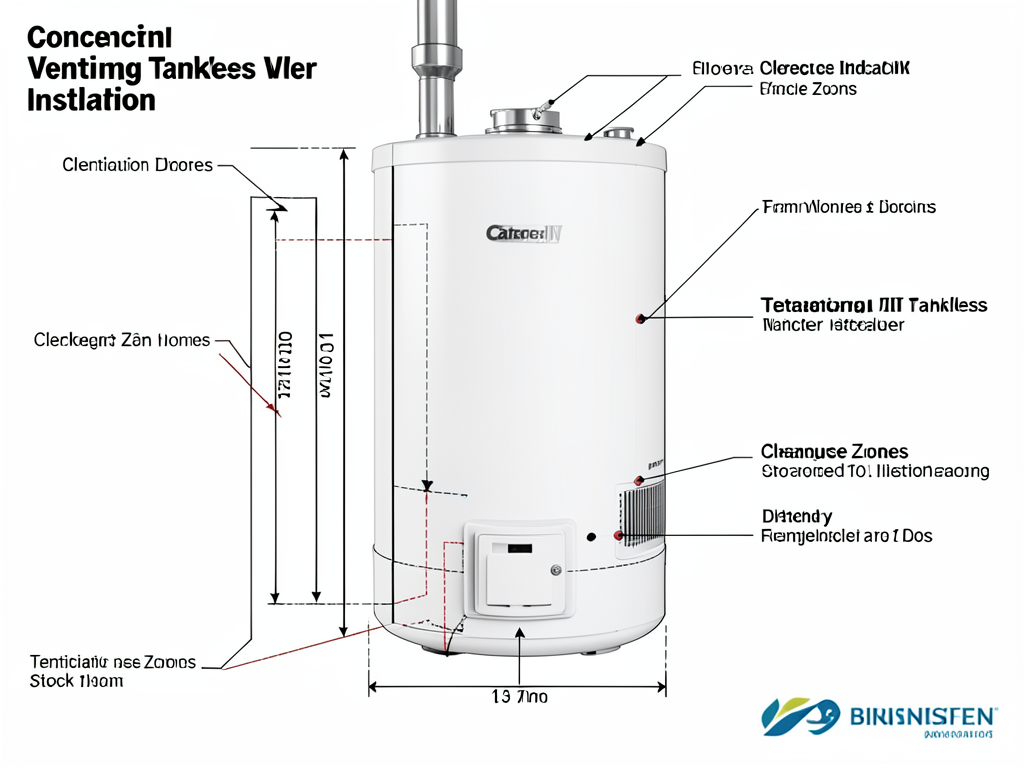
Diagram showing proper concentric venting installation for a Category III tankless water heater, including clearance zones and termination distances from windows and doors.
Category III vs. Category IV Venting Systems
Understanding venting categories is crucial for Davis installations. Category III venting uses stainless steel pipes for positive pressure venting, while Category IV systems handle condensing units with different pressure characteristics. Plumbing Davis.
Most tankless units in Davis homes require Category III stainless steel venting due to our climate and typical installation locations. These systems must maintain specific clearances from combustible materials.
Material Requirements and Code Compliance
The CPC requires Schedule 40 PVC for Category IV condensing units or AL29-4C stainless steel for Category III applications. Using galvanized steel or other materials violates code and creates safety risks.
Vent pipe diameter must match the unit’s BTU output. A 199,000 BTU tankless unit typically needs 3-inch diameter venting, while smaller units may use 2-inch pipes. Undersized venting causes backdrafting and carbon monoxide accumulation.
Clearance Requirements: Protecting Your Family
Proper vent termination placement prevents exhaust from re-entering your home or affecting neighbors. The CPC mandates specific distances from windows, doors, and property lines.
| Clearance Type | Required Distance | CPC Reference |
|---|---|---|
| Windows/Doors | 12 inches minimum | CPC 505.6.2 |
| Adjacent Property | 4 feet minimum | CPC 505.6.3 |
| Air Intakes | 3 feet minimum | CPC 505.6.4 |
| Ground Level | 12 inches minimum | CPC 505.6.5 |
These clearances prevent exhaust from entering through windows or affecting nearby properties. Davis homes often have limited space between structures, making proper vent placement critical.
Direct Vent vs. Power Vent Systems
Direct vent systems use concentric pipes where combustion air enters through the outer pipe while exhaust exits through the inner pipe. Power vent systems use separate intake and exhaust pipes with a fan to move gases.
Direct vent systems work well for most Davis installations since they don’t require electrical power for venting. Power vent systems offer more flexibility for challenging installations but need electrical connections.. Read more about Switching from a Gas to Electric Water Heater in Sacramento (Costs and Benefits).
Installation Location Considerations
Where you install your tankless unit affects venting requirements. Attic installations need different termination strategies than garage or exterior wall installations.
Attic installations in Davis homes must account for our hot summers. Vent pipes in attics need insulation to prevent condensation and maintain proper exhaust flow.
Gas Line Requirements: More Than Just Connections
Tankless water heaters require larger gas lines than traditional tanks. A typical 199,000 BTU tankless unit needs a 3/4-inch gas line, while many tank models use 1/2-inch lines.
The gas line must handle the unit’s maximum BTU input plus any other appliances on the same line. Undersized gas lines cause pressure drops, leading to improper combustion and potential carbon monoxide production.
Permit Requirements in Davis and Yolo County
Davis requires permits for tankless water heater installations, including venting modifications. The Yolo County Building Division reviews plans to ensure code compliance.
Permit fees vary based on project scope but typically range from $150 to $300 for water heater replacements with venting changes. Inspections verify proper installation before final approval. Plumbing Inspection Checklist.
The Permit Process
- Application Submission
Submit permit application with detailed venting plans and gas line specifications to Yolo County Building Division.
- Plan Review
County reviewers check compliance with CPC, Title 24 energy standards, and local amendments. Title 24 Energy Standards.
- Permit Issuance
Once approved, permits are issued with inspection requirements clearly stated.
- Installation
Work must follow approved plans and current code requirements.
- Inspections
Building inspector verifies venting, gas line sizing, and overall installation safety.
- Final Approval
Certificate of compliance issued after passing all required inspections.
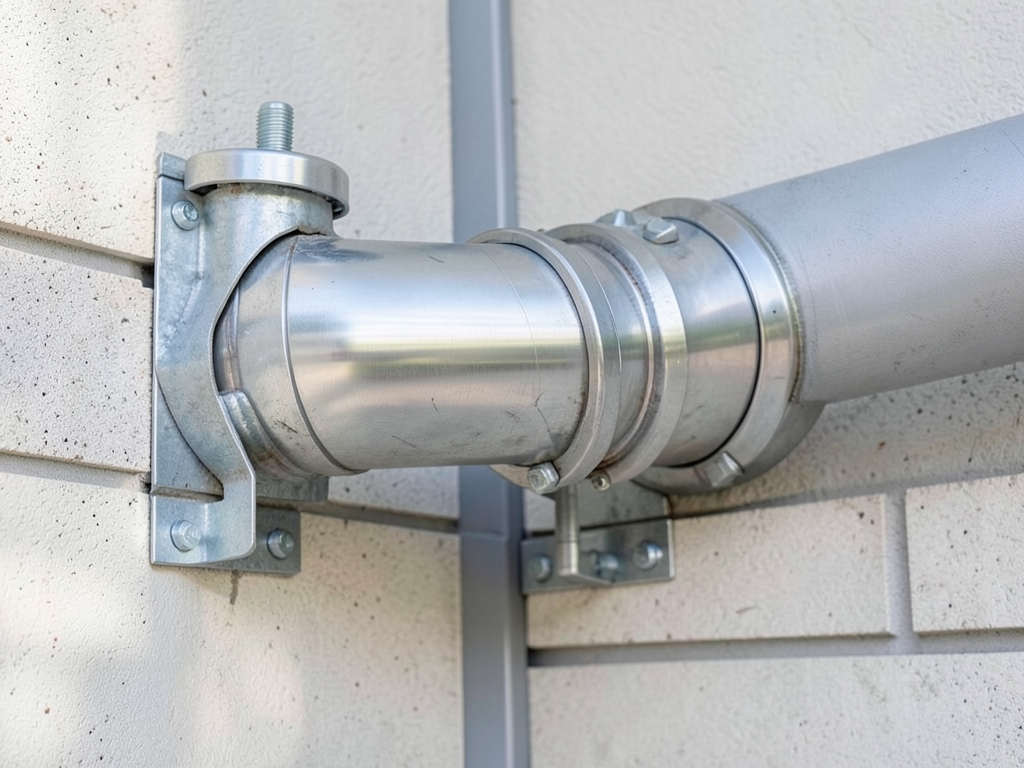
Photo showing a Category III stainless steel vent pipe installation with proper support brackets and termination cap, demonstrating correct clearances from the building exterior.
Common Venting Mistakes That Void Warranties
Many homeowners void their tankless water heater warranties by making venting mistakes. Using incorrect materials, improper clearances, or DIY installations are the most common issues.
Manufacturers require professional installation with proper permits. DIY venting modifications or using non-approved materials immediately void warranties, leaving you responsible for repairs.
Warning Signs of Improper Venting
Recognizing venting problems early can prevent serious safety hazards. Here’s what to watch for:
- Condensation or water stains around vent pipes
- Unusual exhaust odors near termination points
- Visible corrosion on vent pipes
- Black soot around the unit or vent connections
- Carbon monoxide detector alarms
If you notice any of these signs, shut off the unit immediately and call a licensed professional.
Climate Considerations for Davis Installations
Davis experiences temperature extremes that affect tankless water heater performance. Summer heat can cause attic installations to overheat, while winter temperatures may affect startup times.
Our Mediterranean climate means tankless units work efficiently year-round, but proper venting becomes even more critical during temperature extremes when draft characteristics change.
Cost Factors Beyond the Unit Price
The total cost of switching to tankless includes much more than the water heater itself. Venting modifications, gas line upgrades, and permit fees significantly impact your investment.
Expect to pay $2,500 to $4,500 for a complete tankless installation in Davis, including all necessary modifications. This compares to $1,500 to $2,500 for a traditional tank replacement.
Why Professional Installation Matters
Tankless water heater installation requires expertise in gas fitting, venting systems, and local codes. Licensed plumbers understand the nuances of proper installation that DIYers often miss.
Professional installers use specialized tools like manometers to test gas pressure and combustion analyzers to verify proper operation. These diagnostic tests ensure safe, efficient performance.
The Diagnostic Process
Before installation, professionals perform several diagnostic tests:
- Gas line pressure testing to verify adequate supply
- Combustion air availability assessment
- Vent routing analysis for optimal performance
- Clearance verification for code compliance
- Electrical capacity evaluation for power vent systems
These tests identify potential issues before installation begins, preventing costly modifications later.
Energy Efficiency and Long-Term Savings
While upfront costs are higher, tankless water heaters offer significant long-term savings. They use 30-50% less energy than traditional tanks by heating water only when needed.
Davis homeowners often see $100-200 annual energy savings, which can offset the higher installation costs over the unit’s 20+ year lifespan.
Making the Right Choice for Your Home
Not every Davis home is suited for tankless conversion. Factors like gas line capacity, installation location, and household hot water demand affect feasibility.
A professional assessment can determine if your home can accommodate a tankless system or if modifications would be cost-prohibitive.
Call (209) 260-0077 today to schedule a comprehensive evaluation of your water heating needs. Our licensed technicians will assess your home’s suitability for tankless conversion and provide a detailed quote including all necessary modifications.
Photo of a technician using a combustion analyzer to test a newly installed tankless water heater, demonstrating the diagnostic equipment used to verify safe operation.
Frequently Asked Questions
Can I install a tankless water heater myself to save money?
No. California law requires licensed professionals for gas appliance installations. DIY installations void warranties, violate building codes, and create serious safety hazards including carbon monoxide risks.
How long does a typical tankless installation take?
Professional installation usually takes 4-8 hours, depending on venting complexity and gas line modifications needed. Some complex installations may require two days.
Will I need to modify my existing plumbing?
Often yes. Tankless units typically require different water connections, pressure relief valve locations, and sometimes new isolation valves that weren’t present with tank models.
Are there any tax incentives for tankless water heaters?
Federal tax credits for high-efficiency water heaters have expired, but some utility companies offer rebates. Check with SMUD or PG&E for current incentive programs.
Ready to upgrade your water heating system? Call (209) 260-0077 now to speak with our Davis tankless water heater specialists. We’ll handle everything from permits to final inspection, ensuring your installation meets all local codes and manufacturer requirements.
You may also find this helpful. Plumbing Challenges When Renovating a Streng Mid-Century Modern Home in Davis.
{
“@context”: “https://schema.org”,
“@type”: “BlogPosting”,
“headline”: “Why You Can’t Simply Swap a Tank for a Tankless Water Heater in Your Davis Home”,
“description”: “Discover why upgrading to a tankless water heater in Davis requires venting changes, gas line upgrades, and permits. Learn the technical requirements and code compliance from Sacramento experts.”,
“wordCount”: 1415,
“datePublished”: “2026-05-30T09:29:00.000Z”,
“dateModified”: “2026-05-30T09:29:00.000Z”,
“inLanguage”: “en-US”,
“mainEntityOfPage”: {
“@type”: “WebPage”,
“@id”: “https://apexplumbingsacramento.com”
},
“publisher”: {
“@type”: “LocalBusiness”,
“name”: “Apex Plumbing Sacramento”,
“url”: “https://apexplumbingsacramento.com”
},
“author”: {
“@type”: “Organization”,
“name”: “Apex Plumbing Sacramento”,
“url”: “https://apexplumbingsacramento.com”
},
“image”: {
“@type”: “ImageObject”,
“url”: “https://apexplumbingsacramento.com/wp-content/uploads/2026/03/why-you-can-t-simply-swap-a-tank-for-a-tankless-wa-1.png”
}
}
{
“@context”: “https://schema.org”,
“@type”: “Plumber”,
“name”: “Apex Plumbing Sacramento”,
“url”: “https://apexplumbingsacramento.com”,
“address”: {
“@type”: “PostalAddress”,
“addressLocality”: “Sacramento”
},
“areaServed”: {
“@type”: “City”,
“name”: “Sacramento”
}
}
{
“@context”: “https://schema.org”,
“@type”: “FAQPage”,
“mainEntity”: [
{
“@type”: “Question”,
“name”: “Can I install a tankless water heater myself to save money?”,
“acceptedAnswer”: {
“@type”: “Answer”,
“text”: “No. California law requires licensed professionals for gas appliance installations. DIY installations void warranties, violate building codes, and create serious safety hazards including carbon monoxide risks.”
}
},
{
“@type”: “Question”,
“name”: “How long does a typical tankless installation take?”,
“acceptedAnswer”: {
“@type”: “Answer”,
“text”: “Professional installation usually takes 4-8 hours, depending on venting complexity and gas line modifications needed. Some complex installations may require two days.”
}
},
{
“@type”: “Question”,
“name”: “Will I need to modify my existing plumbing?”,
“acceptedAnswer”: {
“@type”: “Answer”,
“text”: “Often yes. Tankless units typically require different water connections, pressure relief valve locations, and sometimes new isolation valves that weren’t present with tank models.”
}
},
{
“@type”: “Question”,
“name”: “Are there any tax incentives for tankless water heaters?”,
“acceptedAnswer”: {
“@type”: “Answer”,
“text”: “Federal tax credits for high-efficiency water heaters have expired, but some utility companies offer rebates. Check with SMUD or PG&E for current incentive programs.”
}
}
]
}
{
“@context”: “https://schema.org”,
“@type”: “HowTo”,
“name”: “Sacramento County Permit Process”,
“step”: [
{
“@type”: “HowToStep”,
“position”: 1,
“name”: “Application Submission”,
“text”: “Submit permit application with detailed venting plans and gas line specifications to Yolo County Building Division.”
},
{
“@type”: “HowToStep”,
“position”: 2,
“name”: “Plan Review”,
“text”: “County reviewers check compliance with CPC, Title 24 energy standards, and local amendments. Title 24 Energy Standards.”
},
{
“@type”: “HowToStep”,
“position”: 3,
“name”: “Permit Issuance”,
“text”: “Once approved, permits are issued with inspection requirements clearly stated.”
},
{
“@type”: “HowToStep”,
“position”: 4,
“name”: “Installation”,
“text”: “Work must follow approved plans and current code requirements.”
},
{
“@type”: “HowToStep”,
“position”: 5,
“name”: “Inspections”,
“text”: “Building inspector verifies venting, gas line sizing, and overall installation safety.”
},
{
“@type”: “HowToStep”,
“position”: 6,
“name”: “Final Approval”,
“text”: “Certificate of compliance issued after passing all required inspections.”
}
],
“image”: “https://apexplumbingsacramento.com/wp-content/uploads/2026/03/why-you-can-t-simply-swap-a-tank-for-a-tankless-wa-1.png”
}
{
“@context”: “https://schema.org”,
“@type”: “BreadcrumbList”,
“itemListElement”: [
{
“@type”: “ListItem”,
“position”: 1,
“name”: “Home”,
“item”: “https://apexplumbingsacramento.com”
},
{
“@type”: “ListItem”,
“position”: 2,
“name”: “Blog”,
“item”: “https://apexplumbingsacramento.com/blog”
},
{
“@type”: “ListItem”,
“position”: 3,
“name”: “Why You Can’t Simply Swap a Tank for a Tankless Water Heater in Your Davis Home”
}
]
}
{
“@context”: “https://schema.org”,
“@type”: “Service”,
“serviceType”: “Plumbing”,
“provider”: {
“@type”: “LocalBusiness”,
“name”: “Apex Plumbing Sacramento”,
“url”: “https://apexplumbingsacramento.com”
},
“areaServed”: {
“@type”: “City”,
“name”: “Sacramento”
},
“description”: “Discover why upgrading to a tankless water heater in Davis requires venting changes, gas line upgrades, and permits. Learn the technical requirements and code compliance from Sacramento experts.”
}