
Why Your Midtown Water is Brown After the City Finishes Street Repairs
Seeing brown water coming from your taps after the city finishes street repairs in Midtown Sacramento can be alarming. The good news is that this discoloration is usually temporary and not a health threat. The bad news is that it signals disturbance in the aging water mains beneath your neighborhood. EPA Secondary Drinking Water Standards.
Midtown’s water infrastructure includes pipes dating back to the 1940s and 1950s. When construction crews work on nearby streets, they often shake loose decades of accumulated sediment—primarily iron and manganese deposits—from the pipe walls. This stirred-up material flows into your home’s plumbing system, turning clear water brown. The Best Water Heater Replacement Options for North Natomas Homeowners.
The Sacramento Department of Utilities (DOU) performs regular maintenance including hydrant flushing and main line repairs. During these operations, water pressure changes and directional flow reversals can dislodge mineral buildup. If you notice brown water after city work, your pipes are simply catching sediment that was disturbed miles away. Sacramento 311 Service.
According to the EPA’s secondary drinking water standards, iron levels above 0.3 mg/L can cause discoloration and staining. While the brown color looks concerning, the water typically meets primary safety standards for bacteria and harmful contaminants. The Sacramento Water Quality Report shows our municipal water consistently meets all EPA primary standards, even when temporary discoloration occurs.
Before you panic, run a simple test. Fill a clear glass with cold water from your kitchen tap. Let it sit for 30 minutes. If the discoloration settles to the bottom and the water clears from the top down, you’re dealing with mineral sediment rather than a contamination issue. This visual test helps you avoid unnecessary service calls. How to Spot a Slab Leak in Your Land Park Home Before It Causes Serious Damage.
City crews often flush hydrants after completing street work to clear main lines. However, this process doesn’t always reach every home, especially those at the end of dead-end streets or in areas with older galvanized piping. Your home’s plumbing may need additional flushing to clear the system completely.. Read more about Specific Plumbing and Drainage Requirements for New Bars in the Midtown R Street District.
The Sacramento 311 service line tracks city utility work throughout Midtown. If you’re unsure whether recent street repairs might be causing your water issues, call 311 or check the DOU’s online project map. They can confirm if work was performed on your water main in the past 72 hours.
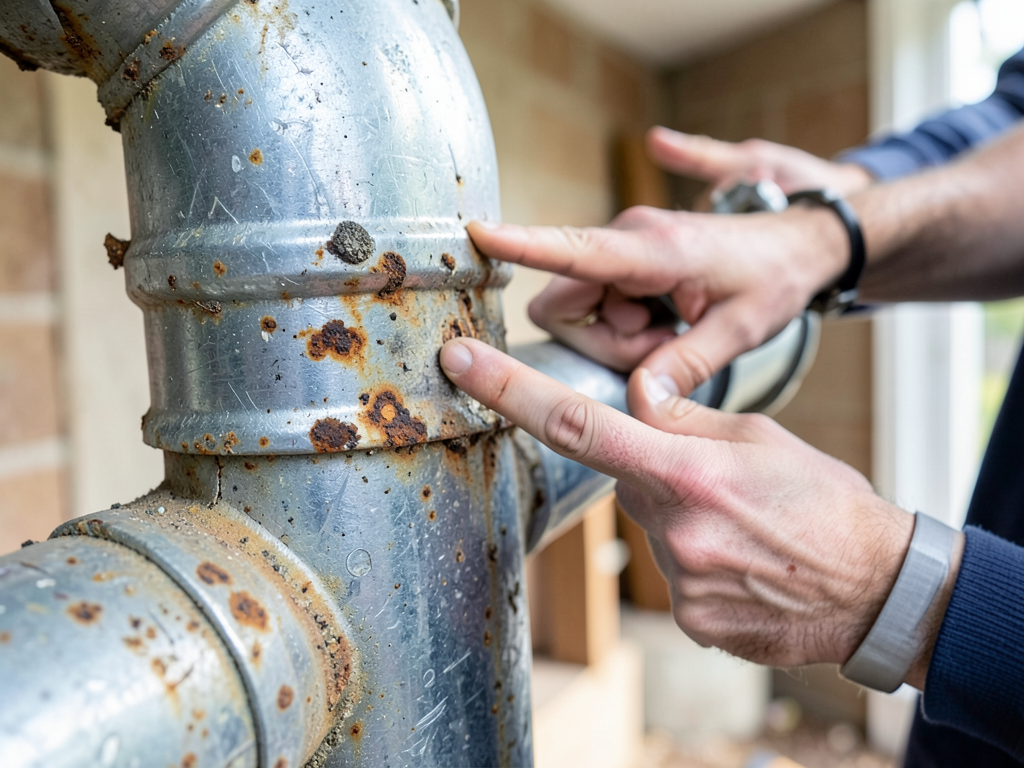
Galvanized steel pipes, common in Midtown homes built before 1970, are particularly susceptible to mineral buildup. These pipes have an average lifespan of 40-50 years. If your home still has original galvanized plumbing, street work can dislodge rust flakes that have accumulated for decades inside the pipes.
Water heaters are often the first household appliance affected by sediment. The heating elements can stir up settled particles, causing brown water to appear when you run hot water. This doesn’t necessarily mean your water heater is failing—it’s often just passing through sediment from the main line.
Modern homes in Midtown with PEX or copper piping generally handle sediment better than older galvanized systems. However, even newer homes can experience temporary discoloration when city work disturbs the main supply line. The key difference is that modern materials don’t corrode and add their own rust to the mix.. Read more about Checking for Lead Solder in the Copper Pipes of Your Older Land Park Home.
If you’re experiencing brown water after city repairs, avoid using hot water until the cold water runs clear. Running hot water pulls sediment into your water heater tank, where it can settle and reduce efficiency. Once cold water clears, flush your hot water lines by running all hot water taps for 5-10 minutes.
Most Midtown residents see water clarity return within 24-48 hours after city work concludes. If brown water persists beyond 72 hours, or if you notice a sudden drop in water pressure, you may have a more serious issue requiring professional attention. Call (209) 260-0077 for a diagnostic inspection.
Is Your Sacramento Water Discolored? The Immediate First Steps
Before you call a plumber or the city, take these immediate steps to assess your situation. These actions can save you time and help determine if you need professional help.
First, check with your neighbors. If multiple homes on your block have brown water, it’s likely related to city work or a main line issue. If only your home is affected, the problem is probably in your plumbing system.
Next, avoid using hot water for any purpose. This prevents sediment from entering your water heater and potentially damaging the heating elements or accumulating at the tank bottom.
Don’t run your washing machine or dishwasher. Sediment can stain clothes and clog appliance filters. Wait until water runs clear before doing laundry or dishes.
Collect a water sample in a clear container and let it sit for one hour. If particles settle and the water clears from the top down, you’re dealing with mineral sediment. If the water remains uniformly brown or cloudy, you may have a different issue.
Check your home’s water pressure. A sudden drop in pressure combined with discoloration could indicate a break in your service line rather than just stirred-up sediment.
Look at your plumbing access points. Homes with crawl spaces or basements may have visible signs of pipe corrosion or leaks that could contribute to water quality issues.
If you have a water filtration system, check if it’s working properly. Some filters can become overwhelmed by sudden sediment increases and may need replacement cartridges.
Document the timing. Note when you first noticed the discoloration and whether it coincides with any city work announcements or construction in your area.
For immediate peace of mind, you can contact the Sacramento Department of Utilities at 311. They can check if work was performed on your water main and whether any known issues exist in your area.
If these steps don’t resolve your concerns, professional testing can determine exactly what’s in your water. Call (209) 260-0077 for a comprehensive water quality analysis.
Why City Maintenance Causes Brown Water
Understanding the mechanics of how city maintenance affects your water helps you know what to expect and when to worry. The process involves several factors that combine to create temporary water discoloration.
Water main breaks are the most common cause of sediment disturbance. When crews repair a broken main, they must shut down water pressure, drain the pipe, and often replace sections of pipe. This process dislodges rust, mineral scale, and biofilm that has built up over decades.
Hydrant flushing operations intentionally stir up sediment to clean main lines. Crews open hydrants at high velocity, creating turbulence that scours pipe walls. While this improves overall water quality, it can send sediment flowing into nearby homes for several hours afterward.
Pressure changes during repairs cause water to flow in unexpected directions. Water mains are designed for unidirectional flow, but repairs often require temporary reversals. These reverse flows can push sediment from dead-end pipes back into the main distribution system.
Construction vibration affects pipes even when crews aren’t working directly on water lines. Heavy equipment driving over streets creates ground movement that shakes loose mineral deposits inside nearby pipes. This effect can extend several blocks from active construction sites.
Air entrainment occurs when crews refill mains after repairs. As water rushes back into empty pipes, it traps air bubbles that carry fine sediment particles throughout the system. These air bubbles can make water appear milky or brown until they dissipate.
Galvanic corrosion accelerates when different metals contact in plumbing systems. City repairs sometimes introduce new pipe materials that create galvanic cells with existing pipes, causing accelerated corrosion and sediment production.
Temperature changes affect sediment behavior. Water entering pipes at different temperatures can cause dissolved minerals to precipitate out as solid particles, especially when cold water suddenly flows through pipes that were holding warm, stagnant water.
Biofilm disruption releases organic matter that can discolor water. The slimy layer of bacteria and microorganisms that grows inside pipes can be disturbed during maintenance, releasing particles that make water appear brown or yellow.
Cross-connection issues sometimes occur during repairs. If backflow prevention devices fail or are bypassed during maintenance, contaminants from other systems can enter the water supply temporarily.
According to the American Water Works Association, water main breaks occur approximately 240,000 times per year in the United States. Each break has the potential to disturb sediment and affect water quality in surrounding homes for hours or days.
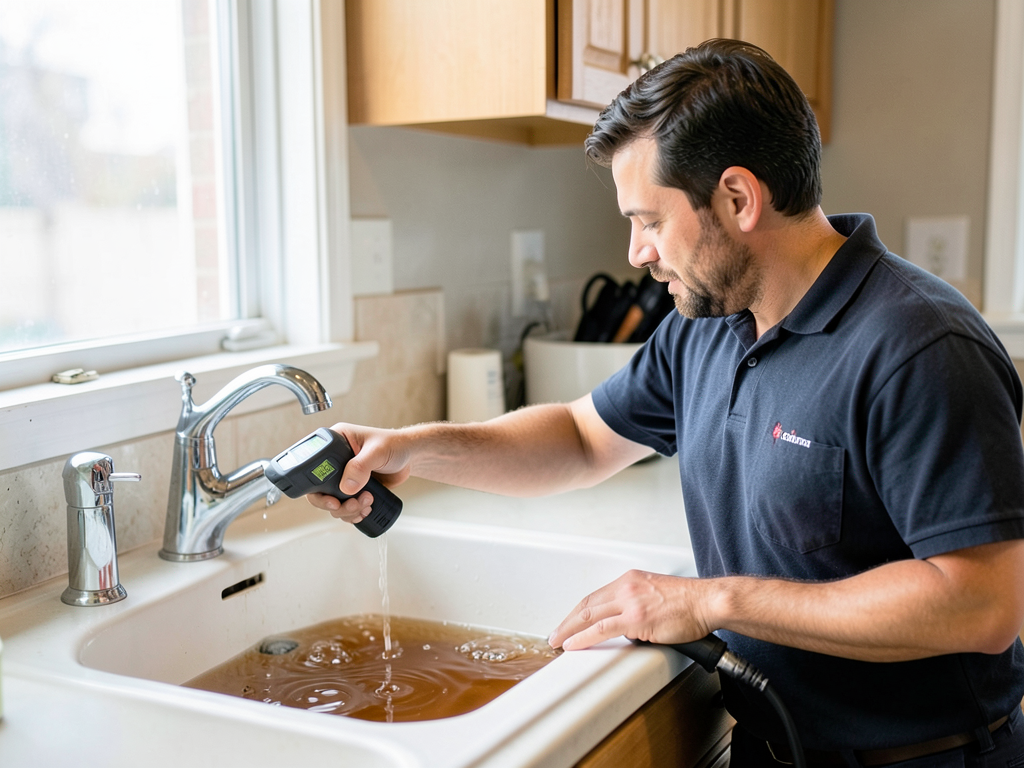
How to Flush Your Home’s Plumbing System
Flushing your home’s plumbing system can clear sediment and restore water clarity. This process works best when done systematically, starting from the point where water enters your home.
Begin with your outside hose bib closest to the water meter. This is typically where water first enters your home’s plumbing system. Remove any hose or attachments and turn the water on full force for 15-20 minutes. The high flow rate helps push sediment out of the system.
Next, flush your bathtub or large utility sink. These fixtures have the highest flow rates and can move the most water quickly. Run cold water only for 10-15 minutes, or until the water runs completely clear.
Move to your bathroom sinks and run cold water for 5 minutes each. Remove aerators before flushing to prevent sediment from clogging the small screens. Clean or replace aerators after flushing is complete.. Read more about Why Cleaning Your Faucet Aerator is the First Step to Better Flow in West Sacramento.
Flush your kitchen sink last, as it often has the most complex plumbing configuration with potential for sediment traps. Remove the aerator and run cold water for 5-10 minutes.
Don’t forget about less-used fixtures. Guest bathrooms, wet bars, and utility sinks can harbor sediment that affects overall water quality. Flush each of these for 2-3 minutes.
If you have a whole-house water filter, check it after flushing. Sediment can overwhelm filters quickly, and a saturated filter may need replacement to restore proper flow.. Read more about How Long Does a Whole Home Repipe Actually Take in an Older Land Park House?.
For homes with water softeners, flush the system according to manufacturer instructions. Some softeners require specific regeneration cycles after significant sediment events.
Check your water heater after flushing cold lines. If hot water still appears discolored, you may need to drain and flush the water heater tank to remove settled sediment.
Document your flushing process. Note when water first ran clear at each fixture and how long the entire process took. This information helps identify if problems persist in specific areas of your plumbing.
Consider using a bucket to collect initial flush water if you’re concerned about sediment going down drains. This allows you to see exactly what’s being flushed from your system. Why the Drains in Your Arden-Arcade House Keep Clogging Up.
Most homes clear sediment within 1-2 hours of systematic flushing. If water remains discolored after thorough flushing, the issue may be in the main line or require professional diagnosis.
Call (209) 260-0077 if flushing doesn’t restore clear water within 24 hours. Persistent discoloration could indicate a more serious plumbing issue.
When to Contact the Sacramento Department of Utilities vs. a Plumber
Knowing whether to call the city or a plumber can save you time and money. The key is understanding where responsibility for water service begins and ends.
The service line—the pipe connecting your home to the main water line—is typically the property owner’s responsibility. This includes the section from your property line to your home’s plumbing system. The city maintains the main line and everything up to your property line.
Call the Sacramento Department of Utilities at 311 if you notice brown water affecting multiple homes on your street, especially after city construction work. The city can check if they performed work on your main line and whether any known issues exist in your area.
Contact the DOU if you see water bubbling up from streets or sidewalks, notice a sudden drop in neighborhood water pressure, or observe water quality issues that affect your entire block. These symptoms suggest main line problems rather than individual plumbing issues.
Call a plumber if only your home experiences brown water while neighbors have clear water. This indicates a problem in your service line or home plumbing rather than the main distribution system.
Professional help is needed if flushing your system doesn’t restore water clarity within 24 hours, if you notice a significant drop in water pressure, or if brown water persists for more than 72 hours after city work concludes.
Plumbers can diagnose issues like corroded service lines, failing backflow preventers, or problems with your home’s pressure regulator that might cause water quality problems. Fast Emergency Plumbers in Midtown Sacramento for After Hours Repairs.
The Sacramento County Environmental Management Department regulates water quality testing. If you’re concerned about contaminants rather than just sediment, they can provide information about certified testing laboratories.
Document everything before making calls. Note when you first noticed the problem, whether it coincides with city work, which fixtures are affected, and what steps you’ve already taken. This information helps service providers diagnose issues quickly.
Keep records of any previous plumbing work or water quality issues. A history of problems can help professionals identify patterns and recommend appropriate solutions.
Be prepared to describe the water’s appearance in detail. Is it brown, yellow, or red? Does it clear after running for a few minutes? Are there visible particles or is it uniformly discolored? These details help identify the cause.
Ask about costs upfront. The city provides certain services at no charge to homeowners, while plumbers charge for diagnostics and repairs. Understanding potential costs helps you make informed decisions.
Consider timing when making calls. City services may have longer response times during major construction projects, while plumbers often offer faster emergency response for urgent issues.
For complex situations involving both city and private infrastructure, you may need to coordinate between multiple service providers. A plumber can help determine if city work contributed to your plumbing problems.
Call (209) 260-0077 for a professional assessment if you’re unsure whether your issue requires city or private service intervention. We can help you determine the right next steps.
Long-Term Effects: Protecting Your Sacramento Home
Understanding the long-term implications of sediment in your water system helps you protect your home’s plumbing and appliances. While temporary discoloration is usually harmless, repeated exposure to sediment can cause cumulative damage.
Water heaters are particularly vulnerable to sediment damage. Particles settling at the tank bottom create an insulating layer that forces the heating element to work harder, reducing efficiency by up to 30% and shortening the appliance’s lifespan by several years.
Scale buildup in pipes reduces water flow over time. Even small particles can accumulate on pipe walls, gradually restricting flow and increasing pressure on your plumbing system. This can lead to premature pipe failure, especially in older galvanized systems.
Dishwashers and washing machines have small filters and screens that can clog with sediment. Repeated exposure may require more frequent maintenance or lead to pump failures that require expensive repairs or replacement.
Faucet aerators and showerheads develop mineral deposits that reduce flow and spray patterns. While cleaning these fixtures is relatively simple, repeated buildup indicates ongoing sediment issues that may need addressing.
Toilets can experience phantom flushing due to sediment interfering with fill valves and flappers. This not only wastes water but can increase your utility bills significantly over time.
Water filtration systems may require more frequent cartridge changes when exposed to high sediment levels. Some filters can become overwhelmed, reducing their effectiveness for removing other contaminants.
Ice makers and refrigerator water dispensers often have small filters that clog quickly with sediment. This can reduce ice production or cause water to taste unpleasant.
Hard water combined with sediment creates particularly challenging conditions. Sacramento’s water typically contains 15-25 grains per gallon of hardness, and sediment particles can accelerate scale formation on heating elements and in pipes.
Preventive maintenance becomes crucial for homes in areas with frequent construction or older infrastructure. Annual water heater flushing, regular faucet aerator cleaning, and periodic whole-house filter maintenance can mitigate sediment damage.
Consider installing a sediment pre-filter if you live in an area with frequent water quality issues. These inexpensive filters trap particles before they enter your home’s plumbing system, protecting more expensive appliances. Protecting Your Pocket-Greenhaven Home from Flooding with a New Sump Pump.
Monitor your water pressure regularly. A gradual decrease in pressure often indicates sediment buildup in pipes or fixtures that needs addressing before it causes more serious problems.
Document any recurring water quality issues. Patterns of discoloration after specific types of city work or during certain seasons can help you anticipate and prepare for future events.
For homes with known plumbing vulnerabilities, consider proactive upgrades. Replacing old galvanized pipes with modern materials can eliminate many sediment-related problems permanently.
Professional water testing every few years provides baseline data about your water quality. This helps you distinguish between normal variations and developing problems that need attention.
Insurance considerations matter too. Some policies may not cover damage from sediment-related issues if they result from normal wear and tear rather than sudden events.
Call (209) 260-0077 to schedule a comprehensive plumbing inspection if you’re concerned about long-term sediment effects on your home’s water system. We can identify vulnerabilities and recommend appropriate protection strategies.
Frequently Asked Questions
Is brown water from city work safe to drink?
Yes, in most cases. The Sacramento Department of Utilities tests water quality continuously, and water that appears brown from sediment typically meets all primary safety standards. However, if you have concerns about specific contaminants, you can request water quality testing through the county environmental department.
How long does brown water usually last after city repairs?
Most homes see water clarity return within 24-48 hours after city work concludes. If brown water persists beyond 72 hours, or if only your home is affected while neighbors have clear water, you may need professional plumbing assistance.
Will brown water stain my clothes or fixtures?
Yes, sediment can cause staining, especially on light-colored fabrics or porous surfaces. Avoid washing clothes or using appliances until water runs clear. If staining occurs, oxygen-based cleaners often work better than chlorine bleach for removing iron-based stains.
Should I flush my water heater after city work causes brown water?
If you notice brown water when running hot water taps, flushing your water heater can help remove accumulated sediment. This is especially important for older units or if you’ve noticed reduced hot water efficiency recently.
Can I shower in brown water?
Yes, showering in temporarily discolored water is generally safe. The sediment causing the discoloration is typically not harmful to skin or hair. However, if you have open cuts or sensitive skin conditions, you may prefer to wait until water clears.
Who pays for plumbing repairs if city work causes damage?
The city typically covers damage directly caused by their work, but proving causation can be challenging. Document everything, including photos of damage and timing relative to city work. For service line issues on your property, you’re generally responsible for repairs regardless of the cause.
How can I prevent sediment damage to my appliances?
Install sediment pre-filters on your main water line, use appliance-specific filters where applicable, and perform regular maintenance on water-using appliances. For severe cases, consider whole-house filtration systems designed to handle high sediment loads.
What’s the difference between sediment and rust in my water?
Sediment typically consists of mineral particles like iron and manganese that settle to the bottom of a glass. Rust often appears as floating particles or causes water to look uniformly brown. Rust usually indicates pipe corrosion, while sediment can come from any part of the water system.
If you’re dealing with brown water after city work in Midtown Sacramento, don’t wait for the problem to resolve itself. While most cases clear up within a day or two, persistent discoloration could indicate a more serious issue with your home’s plumbing system.
Call (209) 260-0077 today for a professional assessment. Our experienced technicians can diagnose the cause of your water quality issues and recommend the right solution, whether that’s a simple system flush or more comprehensive repairs. We serve all of Midtown and understand the unique challenges of Sacramento’s aging infrastructure.
Don’t let sediment damage your appliances or cause unnecessary worry. Pick up the phone and call (209) 260-0077 before the next construction project stirs up more problems in your pipes.
{
“@context”: “https://schema.org”,
“@type”: “BlogPosting”,
“headline”: “Why Your Midtown Water is Brown After the City Finishes Street Repairs”,
“description”: “Brown water in Midtown Sacramento after city repairs? Learn why street work causes sediment in your pipes and what to do next. Call (209) 260-0077 for help.”,
“wordCount”: 3365,
“datePublished”: “2026-05-18T08:13:00.000Z”,
“dateModified”: “2026-05-18T08:13:00.000Z”,
“inLanguage”: “en-US”,
“mainEntityOfPage”: {
“@type”: “WebPage”,
“@id”: “https://apexplumbingsacramento.com”
},
“publisher”: {
“@type”: “LocalBusiness”,
“name”: “Apex Plumbing Sacramento”,
“url”: “https://apexplumbingsacramento.com”
},
“author”: {
“@type”: “Organization”,
“name”: “Apex Plumbing Sacramento”,
“url”: “https://apexplumbingsacramento.com”
},
“image”: {
“@type”: “ImageObject”,
“url”: “https://apexplumbingsacramento.com/wp-content/uploads/2026/03/why-your-midtown-water-is-brown-after-the-city-fin-1.png”
}
}
{
“@context”: “https://schema.org”,
“@type”: “Plumber”,
“name”: “Apex Plumbing Sacramento”,
“url”: “https://apexplumbingsacramento.com”,
“address”: {
“@type”: “PostalAddress”,
“addressLocality”: “Sacramento”
},
“areaServed”: {
“@type”: “City”,
“name”: “Sacramento”
}
}
{
“@context”: “https://schema.org”,
“@type”: “FAQPage”,
“mainEntity”: [
{
“@type”: “Question”,
“name”: “Is brown water from city work safe to drink?”,
“acceptedAnswer”: {
“@type”: “Answer”,
“text”: “Yes, in most cases. The Sacramento Department of Utilities tests water quality continuously, and water that appears brown from sediment typically meets all primary safety standards. However, if you have concerns about specific contaminants, you can request water quality testing through the county environmental department.”
}
},
{
“@type”: “Question”,
“name”: “How long does brown water usually last after city repairs?”,
“acceptedAnswer”: {
“@type”: “Answer”,
“text”: “Most homes see water clarity return within 24-48 hours after city work concludes. If brown water persists beyond 72 hours, or if only your home is affected while neighbors have clear water, you may need professional plumbing assistance.”
}
},
{
“@type”: “Question”,
“name”: “Will brown water stain my clothes or fixtures?”,
“acceptedAnswer”: {
“@type”: “Answer”,
“text”: “Yes, sediment can cause staining, especially on light-colored fabrics or porous surfaces. Avoid washing clothes or using appliances until water runs clear. If staining occurs, oxygen-based cleaners often work better than chlorine bleach for removing iron-based stains.”
}
},
{
“@type”: “Question”,
“name”: “Should I flush my water heater after city work causes brown water?”,
“acceptedAnswer”: {
“@type”: “Answer”,
“text”: “If you notice brown water when running hot water taps, flushing your water heater can help remove accumulated sediment. This is especially important for older units or if you’ve noticed reduced hot water efficiency recently.”
}
},
{
“@type”: “Question”,
“name”: “Can I shower in brown water?”,
“acceptedAnswer”: {
“@type”: “Answer”,
“text”: “Yes, showering in temporarily discolored water is generally safe. The sediment causing the discoloration is typically not harmful to skin or hair. However, if you have open cuts or sensitive skin conditions, you may prefer to wait until water clears.”
}
},
{
“@type”: “Question”,
“name”: “Who pays for plumbing repairs if city work causes damage?”,
“acceptedAnswer”: {
“@type”: “Answer”,
“text”: “The city typically covers damage directly caused by their work, but proving causation can be challenging. Document everything, including photos of damage and timing relative to city work. For service line issues on your property, you’re generally responsible for repairs regardless of the cause.”
}
},
{
“@type”: “Question”,
“name”: “What’s the difference between sediment and rust in my water?”,
“acceptedAnswer”: {
“@type”: “Answer”,
“text”: “Sediment typically consists of mineral particles like iron and manganese that settle to the bottom of a glass. Rust often appears as floating particles or causes water to look uniformly brown. Rust usually indicates pipe corrosion, while sediment can come from any part of the water system.”
}
}
]
}
{
“@context”: “https://schema.org”,
“@type”: “BreadcrumbList”,
“itemListElement”: [
{
“@type”: “ListItem”,
“position”: 1,
“name”: “Home”,
“item”: “https://apexplumbingsacramento.com”
},
{
“@type”: “ListItem”,
“position”: 2,
“name”: “Blog”,
“item”: “https://apexplumbingsacramento.com/blog”
},
{
“@type”: “ListItem”,
“position”: 3,
“name”: “Why Your Midtown Water is Brown After the City Finishes Street Repairs”
}
]
}
{
“@context”: “https://schema.org”,
“@type”: “Service”,
“serviceType”: “Plumbing”,
“provider”: {
“@type”: “LocalBusiness”,
“name”: “Apex Plumbing Sacramento”,
“url”: “https://apexplumbingsacramento.com”
},
“areaServed”: {
“@type”: “City”,
“name”: “Sacramento”
},
“description”: “Brown water in Midtown Sacramento after city repairs? Learn why street work causes sediment in your pipes and what to do next. Call (209) 260-0077 for help.”
}