





Citrus Heights sits in Sacramento County where aging infrastructure meets modern demand. Many homes in neighborhoods near Sylvan Corners and Old Auburn were built in the 1960s and 1970s with galvanized pipes that corrode from the inside. The region's hard water accelerates mineral buildup in fixtures and water heaters, shortening their lifespan and reducing efficiency.
Summer temperatures that reach 100 degrees put stress on water systems when irrigation demands spike. Tree roots from the area's mature oaks and elms invade sewer lines searching for water during the dry season. Clay soil common throughout Citrus Heights shifts during wet winters, putting pressure on underground pipes and causing cracks or misalignment.
The California Plumbing Code requires permits for most water heater replacements and repiping work. Local inspectors enforce backflow prevention requirements and water conservation standards that affect fixture installations. Professional plumbers understand these regulations and complete work that passes inspection the first time, avoiding delays and fines that come with failed inspections.
We built our reputation in Citrus Heights by showing up when other plumbing contractors screen calls. Our dispatch system prioritizes emergency calls, and we answer the phone at 2 AM the same way we do at 2 PM. That matters when your water heater floods the garage or a toilet overflows upstairs.
Every plumber on our team holds a California contractor license and completes annual training on code updates and new installation techniques. We do not send helpers or apprentices to diagnose problems. The person who answers your call is qualified to fix it.
Our service vans stock over 300 common parts, from shut-off valves to drain assemblies. This inventory strategy means we complete most repairs in a single visit. We show up with the tools to camera-inspect sewer lines, hydro-jet roots from drains, and test water pressure throughout your system. That diagnostic capability prevents guesswork and repeat visits.
We serve homes throughout Citrus Heights, from the established neighborhoods around Rusch Park to newer developments near Sunrise Mall. Our plumbers know where main water shutoffs are located in different tract home layouts and how the plumbing systems in ranch-style homes differ from two-story builds. That local knowledge speeds up repairs and prevents unnecessary damage during shutdowns.
When we quote a repair, the price includes labor, parts, and cleanup. No trip charges appear later. No hidden fees for weekend service. The number we give you is what you pay.

Plumbing disasters ignore the clock. Our dispatch center operates around the clock, every day of the year. We aim for one-hour response times on emergency calls throughout Citrus Heights. When you call with a burst pipe or gas leak, a qualified plumber heads your way immediately, not when the next shift starts.

Every technician carries an active California contractor license and maintains required continuing education. We pull permits for work that requires them and coordinate inspections with Sacramento County. Our installations meet California Plumbing Code requirements, which protects your insurance coverage and home value when you sell.
Our trucks function as mobile warehouses with hundreds of parts organized for quick access. We stock multiple brands of fixtures, various pipe fittings, specialized tools for different repair types, and diagnostic equipment like sewer cameras. This preparation eliminates delays waiting for parts to arrive from supply houses across town.
We work in Citrus Heights homes every day. Our plumbers recognize the plumbing configurations common to local tract builders and know which systems tend to fail first in homes of different ages. That experience translates to faster diagnosis and repairs completed right the first time, without trial and error.
Professional plumbers handle everything from urgent repairs to planned upgrades and full system replacements. We divide our services into emergency response, maintenance and repair, and installation and remodeling work. Each category requires different skills and equipment, but the goal stays the same: restore or improve water and drain function in your home.
Emergency calls get priority dispatch because water damage costs more the longer it continues. Maintenance and repair services address problems before they become crises, extending the life of fixtures and pipes. Installation work brings modern efficiency and functionality to older homes, reducing water bills and improving daily convenience.
Local plumbing contractors must carry proper licensing, insurance, and knowledge of California codes to perform work legally. The complexity of modern plumbing systems requires specialized training in areas like gas line installation, backflow prevention, and water filtration. Our plumbers maintain certifications across all service categories, which means one call handles any plumbing need.
Plumbing emergencies cause immediate damage and safety risks. Burst pipes flood rooms in minutes. Gas leaks create explosion hazards. Sewer backups contaminate living spaces with waste. Our emergency service dispatches a plumber within the hour to stop the damage. We locate main shutoffs, contain water flow, ventilate gas, and extract sewage. Once the immediate crisis ends, we diagnose the cause and complete permanent repairs. Emergency calls receive the same thorough work as scheduled appointments, just faster.
Slow drains signal blockages forming in your pipes. Kitchen sinks collect grease buildup. Bathroom drains trap hair and soap scum. Main sewer lines develop root intrusion or scale accumulation. We use camera inspection to see inside pipes and identify the exact location and type of blockage. Hydro-jetting equipment scours pipes clean with high-pressure water, removing years of buildup. Mechanical augers break through solid obstructions. This combination handles any clog type and restores full flow.
Installation work ranges from single fixture replacement to whole-house repiping. We install tankless and traditional water heaters sized for your household demand. Fixture upgrades include low-flow toilets, touchless faucets, and rainfall showerheads that reduce water consumption. Repiping jobs replace corroded galvanized pipes with modern copper or PEX systems that last decades. All installation work includes permit acquisition, code-compliant installation, and inspection coordination. We leave job sites clean and test every connection before we leave.
Local conditions create predictable plumbing challenges. Hard water minerals in Sacramento County's water supply corrode fixtures and leave white deposits on faucets. Tree roots from mature landscaping penetrate sewer lines during summer drought when roots search for moisture. Aging infrastructure in established neighborhoods means pipes installed 40 or 50 years ago reach the end of their service life.
Clay soil throughout the region swells when wet and shrinks when dry. This movement stresses underground pipes, creating cracks or joint separation. Water pressure fluctuations during peak demand hours put strain on older fixtures. Understanding these patterns helps homeowners recognize warning signs before minor issues become expensive emergencies. These problems appear across Citrus Heights with enough frequency that experienced plumbers recognize symptoms immediately.
Hard water accelerates sediment buildup in tank bottoms, reducing efficiency and causing premature failure. Tanks rust through from the inside, starting as small leaks that become floods. Gas control valves fail without warning, leaving homes without hot water. Electric elements burn out, especially in older units. Most water heaters last 8 to 12 years in Citrus Heights before replacement becomes necessary.
Oak, elm, and willow trees send roots toward any water source. Sewer lines provide constant moisture, making them targets for root intrusion. Roots enter through tiny cracks or loose joints, then grow into thick mats that trap waste and toilet paper. Symptoms start as slow drains and progress to complete blockages. Camera inspection reveals the extent of damage and whether repair or replacement makes sense.
Galvanized steel pipes corrode from the inside over decades of service. Rust reduces water pressure as pipe interiors narrow. Corroded sections develop pinhole leaks that spray water inside walls. Brown water running from faucets indicates advanced corrosion. Homes built before 1980 often need repiping when corrosion reaches critical stages. Partial repairs buy time, but complete replacement prevents ongoing damage.
Faucets develop drips when internal washers or cartridges wear out. Toilets run constantly when flappers deteriorate or fill valves malfunction. Showerheads lose pressure or spray erratically from mineral buildup. Garbage disposals jam or leak from worn seals. These fixtures endure daily use and eventual replacement becomes more cost-effective than repeated repairs. Modern low-flow fixtures also reduce water bills while providing better performance.
We structure our service process around clear communication and efficient problem solving. From your first call through final cleanup, you know what happens next and what it costs. Our dispatch team gathers details about your plumbing issue and schedules the appropriate response time. Emergency calls get immediate attention. Routine service receives same-day or next-day appointments based on your schedule.
The plumber who arrives at your door carries the authority to diagnose problems and quote repairs on the spot. No waiting for estimates from the office. No pressure to approve work immediately. We explain what failed, why it failed, and what options you have for repair or replacement. Once you approve the work, we complete it efficiently and test everything before we leave. These three commitments guide every service call.
After diagnosing your plumbing problem, we provide a detailed quote that covers labor, parts, disposal fees, and any permits required. The price we quote is the price you pay. No surprise charges appear later for "unforeseen complications" or weekend service. If we discover additional problems during the repair, we stop and explain your options before proceeding. You approve any price changes before we continue working.
Our service vehicles stock hundreds of common parts, which eliminates trips to supply houses in the middle of your repair. We carry multiple brands of fixtures, various sizes of pipe and fittings, specialized repair components, and diagnostic tools. This preparation means we complete most repairs in a single visit. For jobs requiring custom parts or special order materials, we provide temporary solutions until permanent repairs can be completed.
We guarantee our repairs and installations for a full year. If something we fixed fails or leaks within that period, we return and make it right at no charge. For major installations like water heaters or repiping, we follow up after the first month to verify everything functions properly. Our goal is permanent solutions, not temporary patches that fail after we leave. Customer satisfaction matters more than moving quickly to the next job.
Complex problems need simple solutions. We break every plumbing job into three clear phases that keep you informed and eliminate confusion about what happens next.
The plumber who responds to your call inspects the problem area and uses diagnostic tools to identify the cause. Sewer cameras show blockages inside pipes. Pressure tests reveal hidden leaks. Water quality tests detect contamination. We explain what we find in plain language and show you evidence when possible. Then we discuss your options for repair or replacement, including the pros and cons of each approach and honest cost estimates for both.
Once you approve the work, we complete it efficiently using professional-grade tools and materials. We protect your home with drop cloths and floor protection. For jobs requiring water shutoffs, we minimize the disruption time. Major repairs that take multiple days get broken into phases that restore basic function quickly. We clean up as we work and remove all debris and old materials when we finish.
Before leaving your property, we test every repair to verify proper function. Water lines get pressure tested for leaks. Drains get flushed to confirm flow. Gas connections get soap-tested for any leaks. We run fixtures through multiple cycles and check for proper operation. Only after everything works correctly do we collect payment and provide documentation. You receive warranty information and maintenance recommendations to prevent future problems.
The California Plumbing Code governs all plumbing work in Citrus Heights through enforcement by Sacramento County inspectors. These regulations protect public health by ensuring safe water supply, proper drainage, and adequate ventilation of plumbing systems. Homeowners bear legal responsibility for work performed on their property, which makes hiring licensed contractors essential for compliance.
Water heater installations require permits and inspections to verify proper venting, adequate clearances, earthquake strapping in seismic zones, and appropriate pressure relief valve installation. The code mandates specific venting materials and clearances from combustible materials. Gas water heaters need dedicated shutoff valves within six feet of the unit. Electric models require properly sized circuit breakers and GFCI protection in some locations.
Repiping work requires permits that document materials used, pressure test results, and inspection approval before walls close. The code specifies minimum pipe sizes for different fixtures, acceptable materials for different applications, and proper support spacing. PEX tubing installations must follow manufacturer specifications for bend radius and fitting types. Copper installations require specific soldering techniques and flux removal.
Backflow prevention devices protect municipal water supplies from contamination. The code requires these assemblies on irrigation systems, commercial buildings, and any application where non-potable water could enter the supply. Annual testing by certified technicians verifies proper operation. Toilet replacements must use fixtures meeting current water conservation standards of 1.28 gallons per flush or less.
Understanding these requirements separates professional plumbers from handymen attempting plumbing repairs. Code violations discovered during home sales can delay or cancel transactions. Insurance companies may deny water damage claims for work performed without proper permits. Working with licensed plumbing contractors protects your investment and ensures repairs meet legal requirements.
Sacramento County requires permits for water heater replacements, repiping, sewer line repairs, and gas line modifications. Inspectors verify code compliance before approving work. Permits create a legal record that protects property values and insurance coverage. Unpermitted work discovered later requires expensive retrofitting to meet standards. We handle all permit acquisition and inspection scheduling as part of our service.
Professional-grade materials last longer and perform better than big-box store alternatives. We use brass valves instead of plastic, copper or PEX supply lines instead of cheaper options, and commercial-grade fixtures built for daily use. Material choices affect repair longevity and your home's resale value. Quality components cost more initially but eliminate repeated repairs and early replacement. We explain material options and recommend the best value for your situation.
Simple repairs like fixture replacements or drain clearing take one to three hours. Water heater installations require four to six hours including permit and code compliance work. Whole-house repiping takes three to five days depending on home size and pipe accessibility. Sewer line replacement involves excavation and takes two to four days. We provide honest timelines during estimates and communicate immediately if unexpected conditions cause delays.
California contractor licenses verify technical knowledge through examination and require proof of insurance and bonding. Licensed plumbers carry liability insurance that protects your property if accidents occur during repairs. Workers compensation coverage protects you from liability if technicians get injured on your property. We provide copies of current insurance certificates and license numbers upon request before starting any work.
Licensed plumbers from Apex Plumbing Sacramento explain emergency plumbing service in Citrus Heights, California. This video covers response time expectations, common residential plumbing emergencies, repair equipment and techniques, California plumbing code requirements, and what homeowners should look for when choosing plumbing contractors. Topics include burst pipe repair, water heater failures, sewer line backups, drain cleaning methods, and permit requirements for different repair types.
We dispatch plumbers throughout the greater Citrus Heights metro area, from the established neighborhoods around Rusch Park and Tempo Park to newer developments near Sunrise Mall. Our service area extends from the Old Auburn corridor in the eastern portion of the city to the neighborhoods bordering Antelope Creek on the western edge. We work regularly in the residential areas surrounding Sylvan Corners and the communities near the Sunrise MarketPlace shopping district.
Homes in the central Citrus Heights area, particularly those built in the 1960s and 1970s around Stock Ranch, often need repiping as original galvanized pipes reach the end of their service life. The tree-lined streets near Shadowridge and the neighborhoods around C-Bar-C Park feature mature landscaping that creates frequent sewer line issues from root intrusion. Properties in the northern sections toward Auburn Boulevard deal with pressure fluctuations from elevation changes across the area.
The residential developments near Mariposa Avenue represent a mix of home ages and plumbing systems. Ranch-style homes predominate in many established areas, while two-story builds became common in subdivisions developed during the 1980s and 1990s. These different construction periods mean varied plumbing configurations, from copper supply lines to newer PEX installations, and cast iron drain systems transitioning to PVC in later builds.
We maintain regular service routes through neighborhoods in the San Juan Unified School District area and communities near Sylvan Middle School. Our familiarity with local tract home layouts speeds up repairs because we recognize common plumbing configurations used by builders active in Citrus Heights over different decades. This knowledge helps us locate shutoff valves quickly during emergencies and anticipate which components typically fail first in homes of different ages.
Whether you live near the Arcade Creek crossing on the eastern boundary or in neighborhoods surrounding the older commercial areas along Greenback Lane, our response time stays consistent. We stage service vehicles strategically to reach any part of Citrus Heights within the hour for emergency calls. Routine service appointments schedule around your availability, with evening and weekend options for homeowners who work during standard business hours.
Citrus Heights homes face several recurring plumbing issues. Clogged drains top the list, often caused by hair, soap buildup, and food particles. Leaking faucets waste water and increase bills. Slab leaks affect many properties due to shifting soil and aging copper pipes. Running toilets waste hundreds of gallons daily. Water heater failures occur frequently, especially in units over 10 years old. Tree roots infiltrate sewer lines, causing backups. Corroded pipes need replacement in older homes. Low water pressure frustrates homeowners when mineral deposits restrict flow. Each problem needs prompt attention to prevent extensive damage and higher repair expenses.
Plumbing rates in Citrus Heights vary based on the job complexity and time required. Simple repairs like fixing a leaky faucet take less time than complex projects like repiping your home. Emergency calls outside regular business hours typically carry higher rates. Diagnostic fees apply to identify problems. Material expenses add to labor charges. Slab leak detection and repair run higher due to specialized equipment needs. Water heater replacement involves both unit pricing and installation work. Get multiple quotes for major projects. Ask for detailed estimates before work begins. Local plumbers should explain all charges upfront.
Yes, Citrus Heights requires permits for most major plumbing work. You need permits for water heater replacements, repiping projects, sewer line repairs, and bathroom additions. Simple repairs like fixing leaks or replacing faucets do not need permits. Your plumber should handle permit applications and inspections. Permits protect you by ensuring work meets building codes. Unpermitted work creates problems when selling your home. Inspections verify proper installation and safety compliance. The city issues permits through the Community Development Department. Permit requirements prevent future structural and water damage issues. Skip permits and face fines or mandatory removal of completed work.
Citrus Heights homes face several recurring plumbing issues. Clogged drains top the list, often caused by hair, soap buildup, and food particles. Leaking faucets waste water and increase bills. Slab leaks affect many properties due to shifting soil and aging copper pipes. Running toilets waste hundreds of gallons daily. Water heater failures occur frequently, especially in units over 10 years old. Tree roots infiltrate sewer lines, causing backups. Corroded pipes need replacement in older homes. Low water pressure frustrates homeowners when mineral deposits restrict flow. Each problem needs prompt attention to prevent extensive damage and higher repair expenses.
Plumbing rates in Citrus Heights vary based on the job complexity and time required. Simple repairs like fixing a leaky faucet take less time than complex projects like repiping your home. Emergency calls outside regular business hours typically carry higher rates. Diagnostic fees apply to identify problems. Material expenses add to labor charges. Slab leak detection and repair run higher due to specialized equipment needs. Water heater replacement involves both unit pricing and installation work. Get multiple quotes for major projects. Ask for detailed estimates before work begins. Local plumbers should explain all charges upfront.
Yes, Citrus Heights requires permits for most major plumbing work. You need permits for water heater replacements, repiping projects, sewer line repairs, and bathroom additions. Simple repairs like fixing leaks or replacing faucets do not need permits. Your plumber should handle permit applications and inspections. Permits protect you by ensuring work meets building codes. Unpermitted work creates problems when selling your home. Inspections verify proper installation and safety compliance. The city issues permits through the Community Development Department. Permit requirements prevent future structural and water damage issues. Skip permits and face fines or mandatory removal of completed work.
Slab leak repairs in Citrus Heights take one to three days on average. Detection alone requires two to four hours using electronic equipment and pressure tests. Simple repairs through access points finish faster. Extensive damage needs concrete removal, pipe replacement, and slab restoration. Multiple leaks extend the timeline. Drying time for new concrete adds another day. Furniture moving and floor covering removal affect scheduling. Some plumbers reroute pipes above ground to avoid future slab issues, which takes longer but prevents repeat problems. Your plumber should provide a specific timeline after assessing your situation. Plan for temporary water shutoffs during repairs.
Low water pressure in Citrus Heights stems from multiple sources. Mineral deposits accumulate in pipes, especially in older homes with galvanized plumbing. The city occasionally reduces pressure during peak demand hours. Partially closed main shutoff valves restrict flow. Corroded pipes develop buildup that narrows the passage. Faulty pressure regulators fail to maintain proper levels. Leaks elsewhere in your system reduce available pressure. Water heater sediment blocks flow to hot water taps. Tree roots infiltrating your main line create restrictions. Your plumber tests pressure levels and inspects pipes to pinpoint the exact cause and recommend appropriate solutions.
Finding a licensed plumber in Citrus Heights starts with checking the California Contractors State License Board website. Verify active status and look for complaints. Ask neighbors and friends for referrals based on their experiences. Read online reviews on multiple platforms. Local plumbers should provide their license number freely. Check how long they have operated in the area. Request references from recent customers. Compare multiple estimates for your project. Ask about experience with your specific plumbing issue. Professional plumbers arrive in marked vehicles and wear identification. Avoid anyone who refuses to provide credentials or pressures immediate decisions.
Hard water in Citrus Heights damages plumbing systems over time. Mineral deposits build up inside pipes, reducing water flow and increasing pressure on pipe walls. Scale accumulates on water heater elements, decreasing efficiency and shortening lifespan. Faucets and showerheads clog with calcium and magnesium deposits. Appliances like dishwashers and washing machines work harder and break down sooner. White crusty buildup appears on fixtures. Pipes corrode faster when minerals interact with metal. Installing a water softener prevents these problems. Softeners remove minerals before they enter your plumbing system. Regular maintenance flushes existing buildup from your pipes and appliances.
When your water heater breaks in Citrus Heights, turn off the power supply immediately. For electric units, flip the breaker. For gas heaters, turn the gas valve to off. Shut off the cold water supply valve at the top of the tank. Check for active leaks and place buckets under dripping areas. Call a local plumber for same-day service. Avoid using hot water until repairs finish. Document damage with photos for your records. Most plumbers offer emergency response for critical failures. Your plumber will assess whether repair or replacement makes sense based on age and damage extent.
Schedule professional drain cleaning in Citrus Heights every 18 to 24 months for preventive maintenance. Homes with large families or heavy usage need annual service. Properties with mature trees nearby benefit from yearly inspections due to root intrusion risks. Watch for warning signs like slow drains, gurgling sounds, or recurring clogs. Kitchen drains accumulate grease faster and need more frequent attention. Bathroom drains collect hair and soap scum steadily. Main sewer lines require camera inspections every few years. Regular cleaning prevents emergency backups and extends your plumbing system lifespan. Professional cleaning removes buildup home methods miss.
Most plumbers in Citrus Heights provide emergency services for urgent situations. Emergency coverage includes nights, weekends, and holidays. Burst pipes, sewer backups, gas leaks, and major water leaks qualify as emergencies. Response times range from one to three hours depending on your location and time. Keep emergency plumber contacts saved in your phone. Emergency calls carry higher rates than regular appointments. Some companies offer flat-rate emergency pricing while others charge hourly. Ask about response times when calling. Turn off water at the main valve before help arrives. Emergency services prevent extensive property damage from plumbing failures.
Slab leak repairs in Citrus Heights take one to three days on average. Detection alone requires two to four hours using electronic equipment and pressure tests. Simple repairs through access points finish faster. Extensive damage needs concrete removal, pipe replacement, and slab restoration. Multiple leaks extend the timeline. Drying time for new concrete adds another day. Furniture moving and floor covering removal affect scheduling. Some plumbers reroute pipes above ground to avoid future slab issues, which takes longer but prevents repeat problems. Your plumber should provide a specific timeline after assessing your situation. Plan for temporary water shutoffs during repairs.
Low water pressure in Citrus Heights stems from multiple sources. Mineral deposits accumulate in pipes, especially in older homes with galvanized plumbing. The city occasionally reduces pressure during peak demand hours. Partially closed main shutoff valves restrict flow. Corroded pipes develop buildup that narrows the passage. Faulty pressure regulators fail to maintain proper levels. Leaks elsewhere in your system reduce available pressure. Water heater sediment blocks flow to hot water taps. Tree roots infiltrating your main line create restrictions. Your plumber tests pressure levels and inspects pipes to pinpoint the exact cause and recommend appropriate solutions.
Finding a licensed plumber in Citrus Heights starts with checking the California Contractors State License Board website. Verify active status and look for complaints. Ask neighbors and friends for referrals based on their experiences. Read online reviews on multiple platforms. Local plumbers should provide their license number freely. Check how long they have operated in the area. Request references from recent customers. Compare multiple estimates for your project. Ask about experience with your specific plumbing issue. Professional plumbers arrive in marked vehicles and wear identification. Avoid anyone who refuses to provide credentials or pressures immediate decisions.
Hard water in Citrus Heights damages plumbing systems over time. Mineral deposits build up inside pipes, reducing water flow and increasing pressure on pipe walls. Scale accumulates on water heater elements, decreasing efficiency and shortening lifespan. Faucets and showerheads clog with calcium and magnesium deposits. Appliances like dishwashers and washing machines work harder and break down sooner. White crusty buildup appears on fixtures. Pipes corrode faster when minerals interact with metal. Installing a water softener prevents these problems. Softeners remove minerals before they enter your plumbing system. Regular maintenance flushes existing buildup from your pipes and appliances.
When your water heater breaks in Citrus Heights, turn off the power supply immediately. For electric units, flip the breaker. For gas heaters, turn the gas valve to off. Shut off the cold water supply valve at the top of the tank. Check for active leaks and place buckets under dripping areas. Call a local plumber for same-day service. Avoid using hot water until repairs finish. Document damage with photos for your records. Most plumbers offer emergency response for critical failures. Your plumber will assess whether repair or replacement makes sense based on age and damage extent.
Schedule professional drain cleaning in Citrus Heights every 18 to 24 months for preventive maintenance. Homes with large families or heavy usage need annual service. Properties with mature trees nearby benefit from yearly inspections due to root intrusion risks. Watch for warning signs like slow drains, gurgling sounds, or recurring clogs. Kitchen drains accumulate grease faster and need more frequent attention. Bathroom drains collect hair and soap scum steadily. Main sewer lines require camera inspections every few years. Regular cleaning prevents emergency backups and extends your plumbing system lifespan. Professional cleaning removes buildup home methods miss.
Most plumbers in Citrus Heights provide emergency services for urgent situations. Emergency coverage includes nights, weekends, and holidays. Burst pipes, sewer backups, gas leaks, and major water leaks qualify as emergencies. Response times range from one to three hours depending on your location and time. Keep emergency plumber contacts saved in your phone. Emergency calls carry higher rates than regular appointments. Some companies offer flat-rate emergency pricing while others charge hourly. Ask about response times when calling. Turn off water at the main valve before help arrives. Emergency services prevent extensive property damage from plumbing failures.
Apex Plumbing Sacramento is proud to be a locally owned and operated business centrally located to efficiently serve the entire Sacramento region and its surrounding communities. Our strategic position ensures that we can quickly dispatch a professional technician to your home or business, especially during a plumbing emergency. Use the map below to visualize our service area or to find directions to our main office for consultations.
Address:
Citrus Heights, CA, 95610

ABS vs PVC — Understanding the Different Plastic Pipes in Your Carmichael Home Choosing between ABS and PVC pipes for your Carmichael home isn’t just about picking the cheaper option. These two black and white…
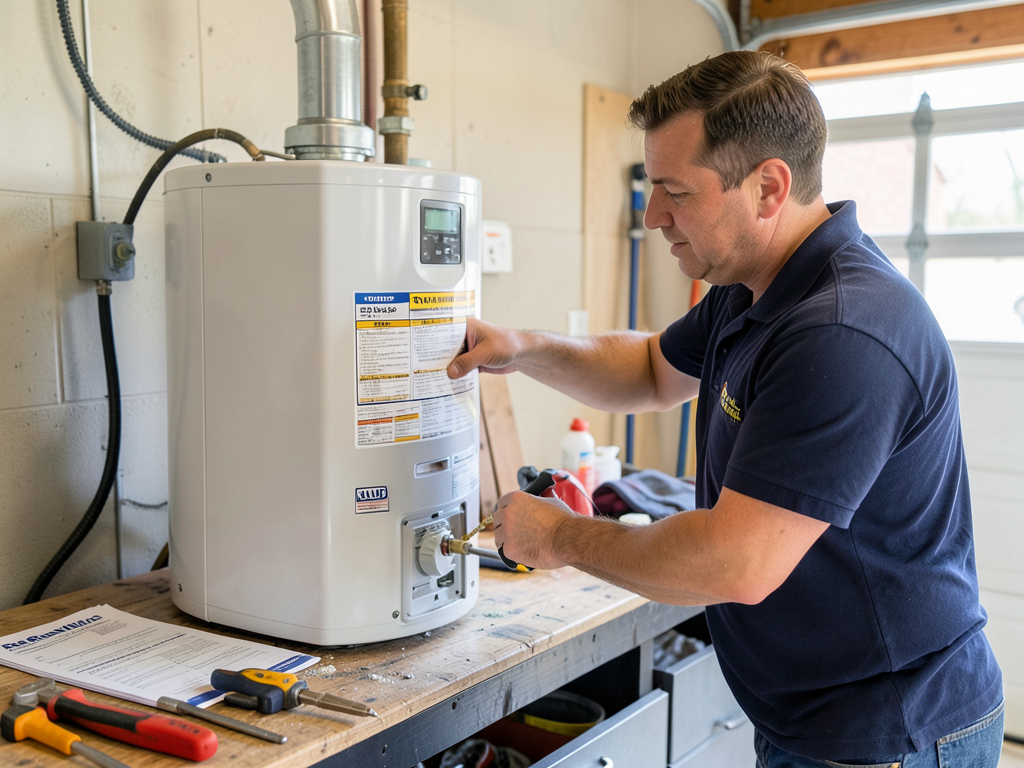
Gas vs Electric Tank Water Heaters — Which is More Cost-Effective in Roseville? Roseville homeowners…
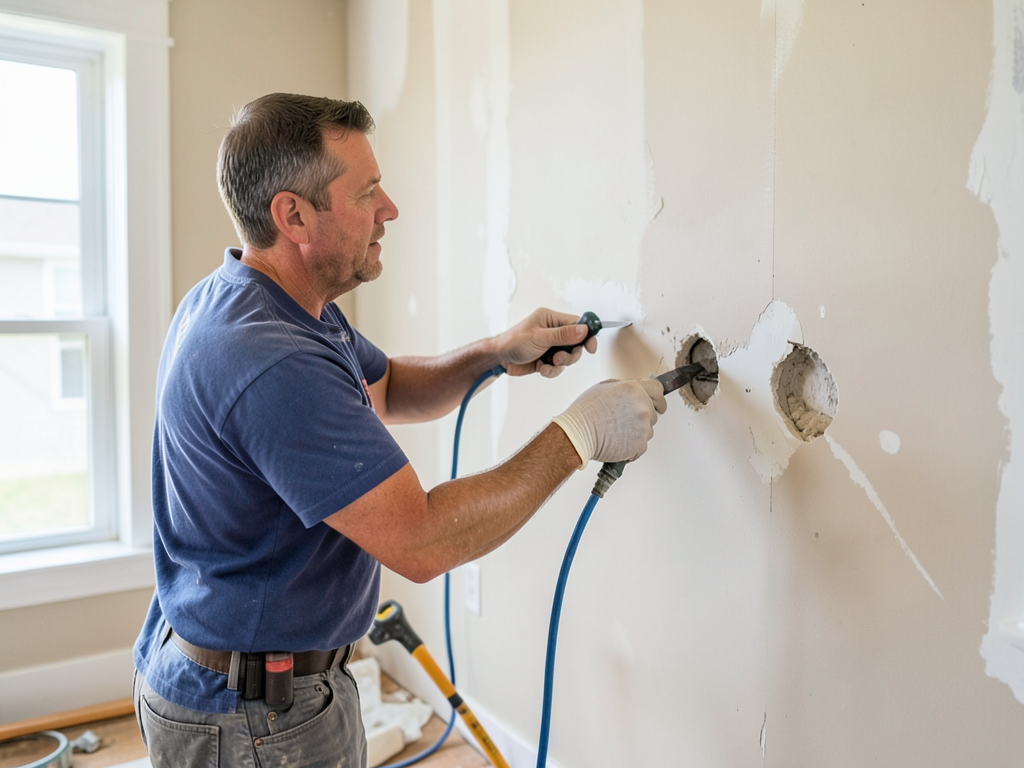
How Long Does a Whole Home Repipe Actually Take in an Older Land Park House?…
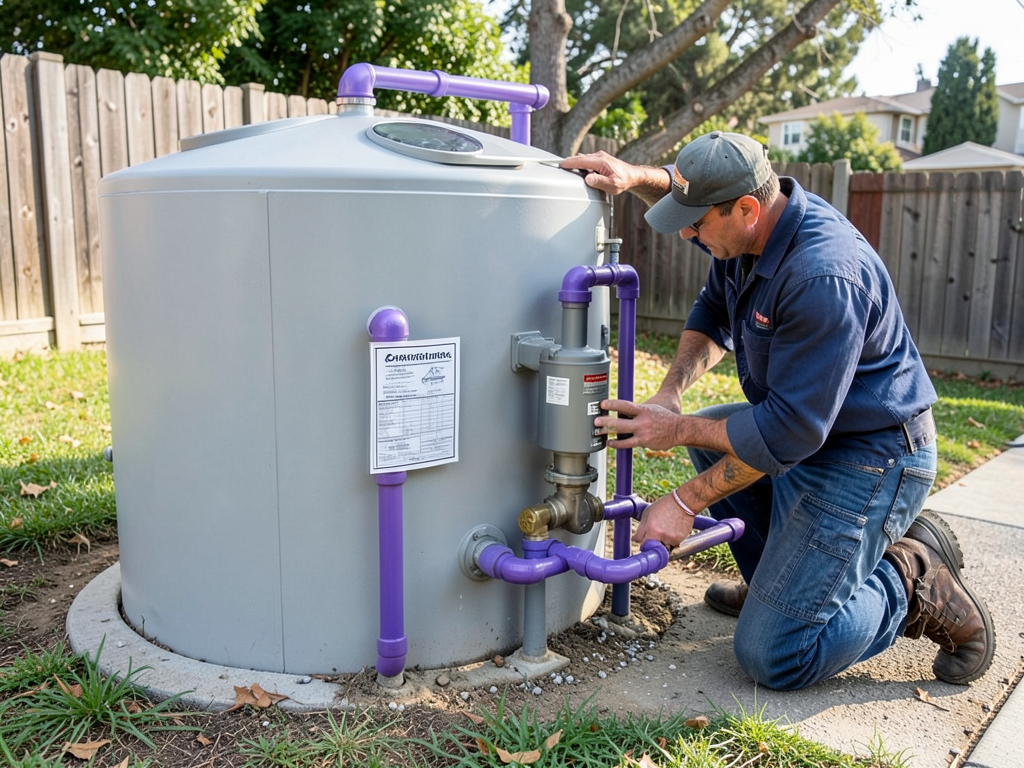
Legal Rainwater Harvesting for Sacramento Gardeners (What You Can and Cannot Do) California's water laws…
Plumbing problems get worse while you wait. Call Apex Plumbing Sacramento now at (209) 260-0077 for immediate dispatch. Our licensed plumbers arrive equipped to diagnose and repair most issues in a single visit. We answer calls 24 hours a day, every day of the year.