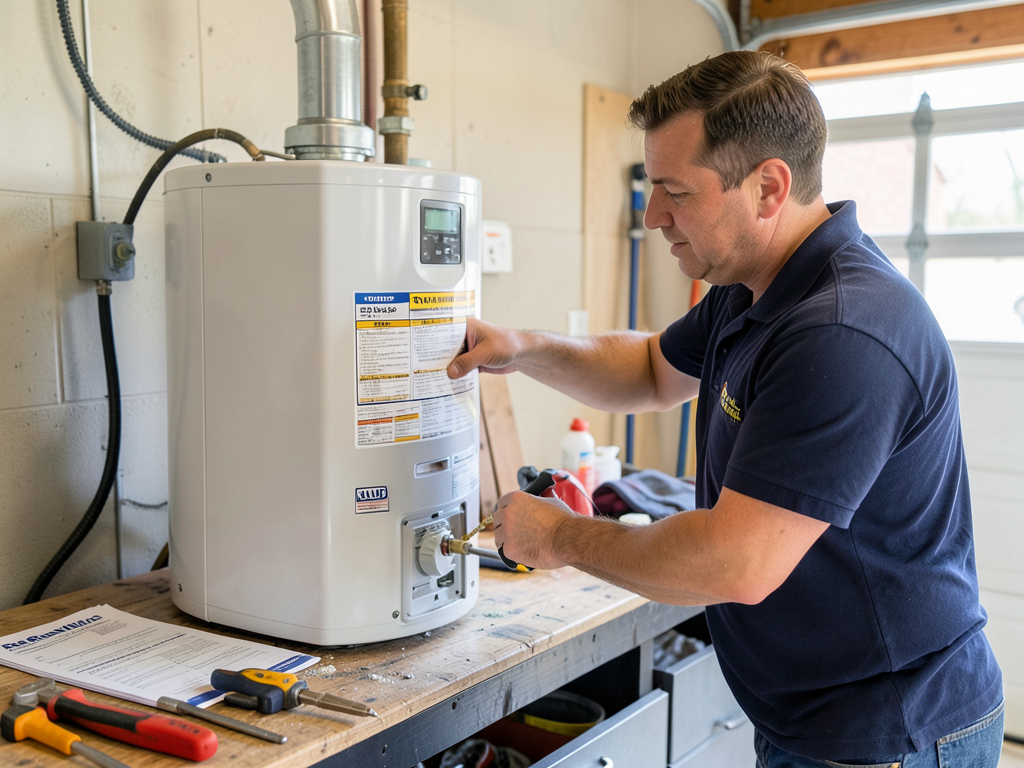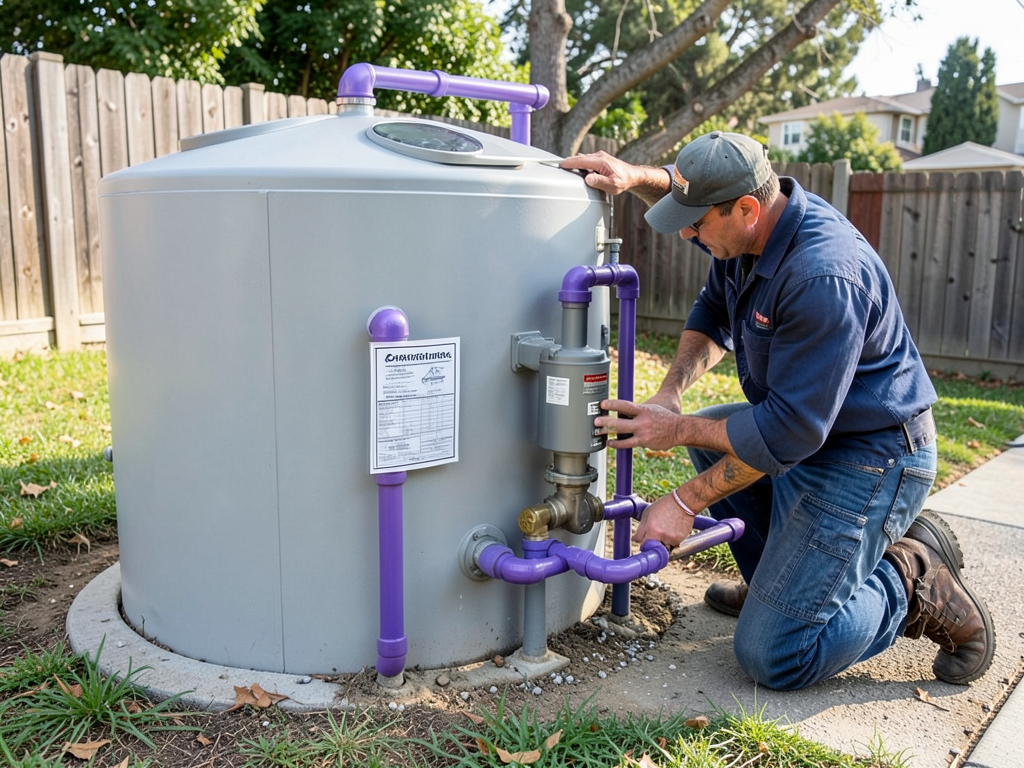





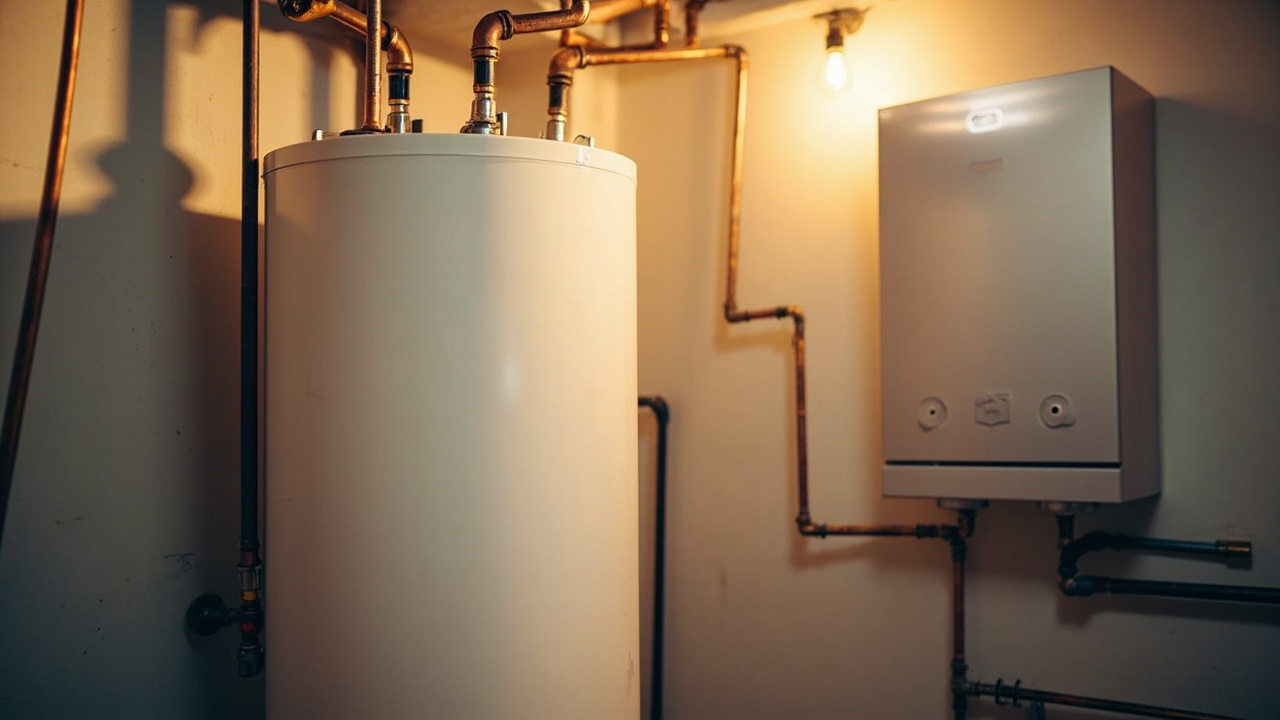
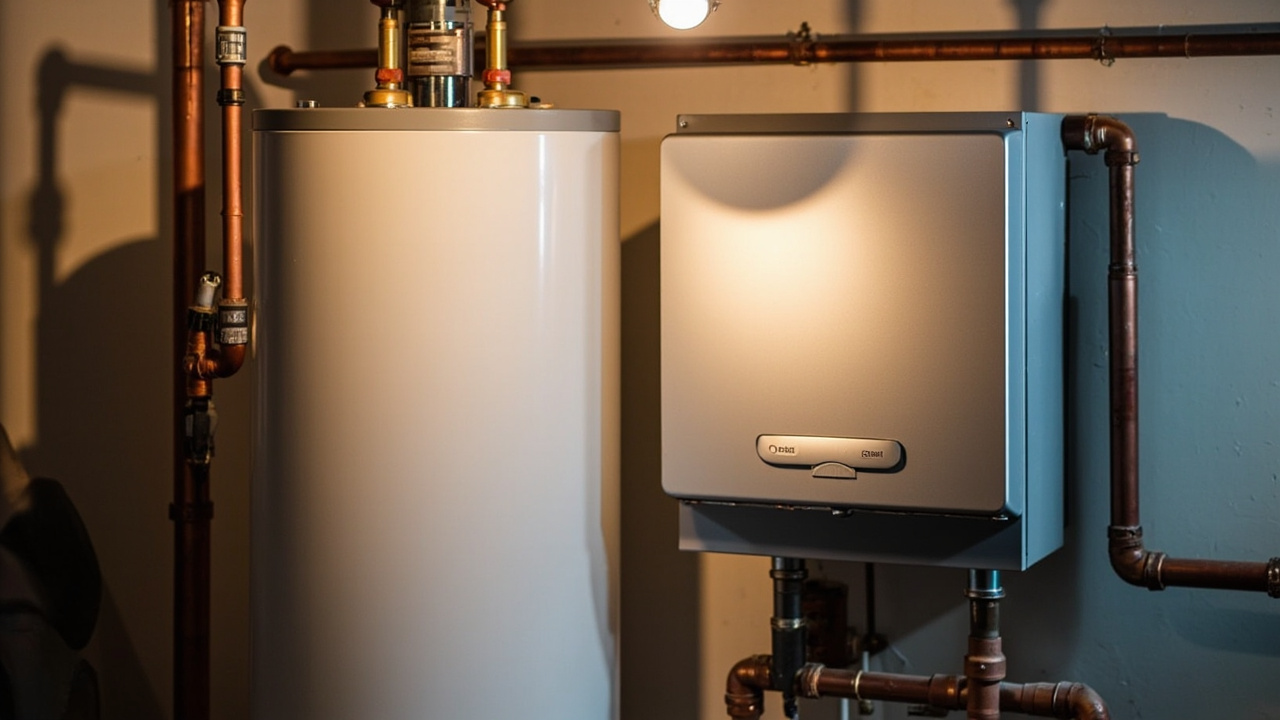
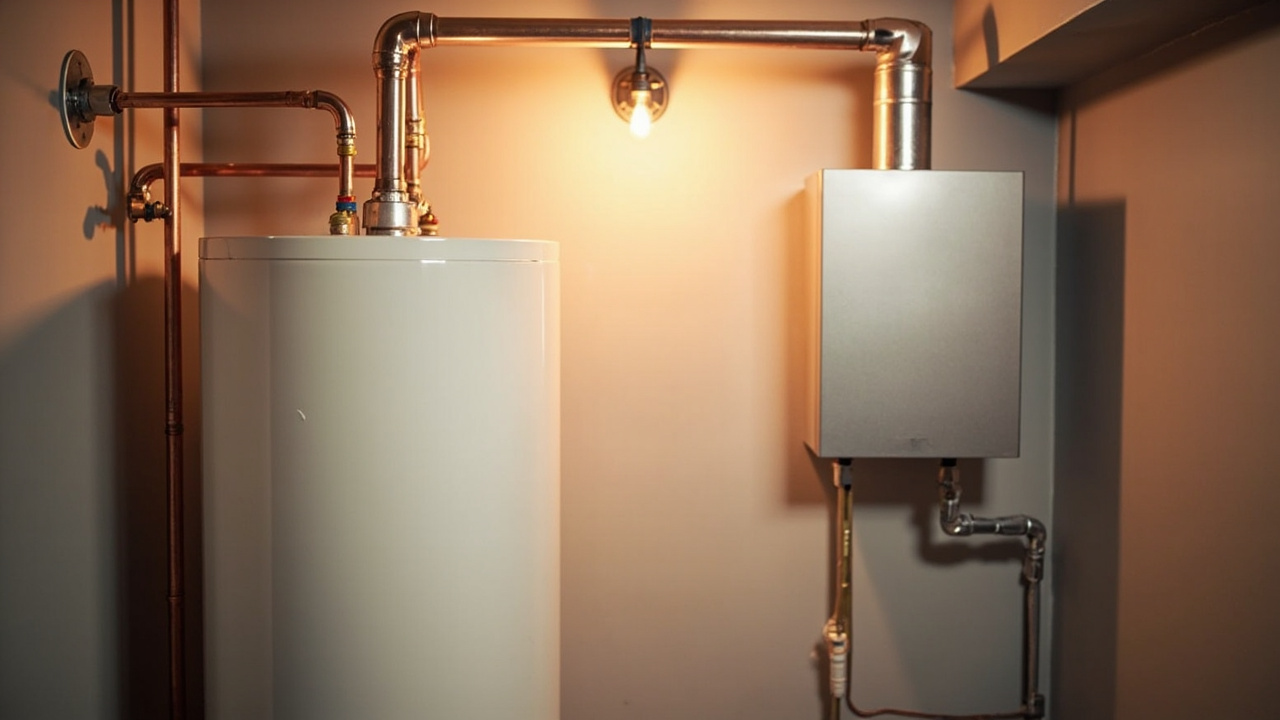
Sacramento's municipal water supply averages 120 to 180 parts per million hardness, creating aggressive scaling conditions inside both storage tank and instantaneous water heater systems. Calcium carbonate deposits accumulate on tank heating elements, reducing efficiency and eventually causing element failure. In tankless systems, these same minerals coat heat exchanger passages, restricting flow and triggering high-temperature safety shutoffs. Seasonal incoming water temperature variations between 50 degrees in winter and 70 degrees in summer force both system types to work harder during cold months, accelerating wear and increasing energy consumption when you can least afford it.
Local expertise matters because Sacramento's building code requirements, permit processes, and inspection standards differ from surrounding counties. Our technicians stay current with City of Sacramento mechanical code amendments, including updated seismic restraint specifications and combustion air requirements that changed in the 2022 code cycle. We maintain relationships with local inspectors, understand their specific interpretation of gray areas in the code, and know which installations trigger plan review versus simple permit issuance. This knowledge prevents failed inspections, project delays, and the need to redo work that met generic standards but failed local requirements.