




menu

Benefits of Water Softeners in Sacramento – Protect Your Plumbing and Save Thousands on Repairs

Hard water in Sacramento damages water heaters, clogs pipes, and drives up energy bills. Discover how water softening systems prevent costly repairs, extend appliance lifespans, and improve your home's efficiency.

Slider Image 1
Slider Image 2
Slider Image 3
Slider Image 4
Slider Image 5
Slider Image 7
Slider Image 8
Slider Image 9
Slider Image 10
Slider Image 11

Sacramento's Hard Water Problem: Why Your Plumbing Is Under Attack

Sacramento sits at the confluence of the American and Sacramento Rivers, drawing water from both surface sources and underground aquifers rich in calcium, magnesium, and mineral deposits. Your municipal water supply carries 10 to 15 grains per gallon of hardness, which classifies it as moderately hard to hard. Every gallon that flows through your pipes deposits microscopic scale on internal surfaces.

You notice it first on faucets and showerheads. White buildup appears around aerators. Water pressure drops. Your water heater struggles to maintain temperature. These are not cosmetic issues. Scale accumulation inside your water heater tank reduces heating efficiency by up to 30%. The heating elements work harder, consume more electricity, and fail sooner. Tankless units fare worse because narrow heat exchangers clog completely, triggering expensive repairs or full replacements.

The advantages of water softening systems become clear when you understand what hard water does to copper pipe and PEX tubing. Scale restricts flow, increases pressure on joints, and accelerates pinhole leaks in older copper lines common in Midtown and East Sacramento homes built before 1990. Galvanized pipe in historic neighborhoods like Curtis Park corrodes faster when combined with mineral buildup. The pros of water softeners extend beyond convenience. They address a chemical reaction happening inside your walls every single day.

Sacramento's Mediterranean climate compounds the problem. Summer heat increases water usage for irrigation and cooling. Higher consumption means more mineral exposure. Hard water treatment benefits your irrigation system too. Sprinkler heads last longer. Drip lines stay clear. Your lawn receives consistent hydration without calcium deposits blocking emitters.

Sacramento's Hard Water Problem: Why Your Plumbing Is Under Attack
How Water Softeners Work: The Ion Exchange Process

How Water Softeners Work: The Ion Exchange Process

Water softeners use ion exchange to remove calcium and magnesium before they enter your plumbing system. Hard water flows into a resin tank filled with thousands of tiny polystyrene beads. These beads carry a negative charge and attract positively charged mineral ions. Sodium ions on the bead surface swap places with calcium and magnesium ions in the water. The softened water exits the tank and flows to your fixtures. The minerals stay trapped in the resin bed.

When the resin bed becomes saturated with calcium and magnesium, the system regenerates. A brine solution from the salt tank flushes through the resin. The high concentration of sodium ions forces the calcium and magnesium off the beads. The contaminated brine drains to your sewer or septic system. Fresh sodium ions recharge the resin. The cycle repeats based on water usage, typically every few days for an average household.

Modern softeners use demand-initiated regeneration. A digital controller tracks water volume and triggers regeneration only when needed. This saves salt and water compared to older timer-based systems that regenerate on a fixed schedule regardless of usage. Reasons to install a water softener include this efficiency gain, which matters in Sacramento where drought conditions periodically trigger conservation mandates.

The bypass valve lets you route untreated water to outdoor faucets and irrigation systems. You do not waste softened water on landscaping. This design protects your indoor plumbing while preserving salt and reducing operating costs. Proper sizing matters. An undersized unit regenerates too frequently, wasting salt and water. An oversized unit costs more upfront with no performance benefit. We calculate grain capacity based on your household size, water hardness level, and peak demand to match the system to your actual needs.

What Happens During Your Water Softener Installation

Benefits of Water Softeners in Sacramento – Protect Your Plumbing and Save Thousands on Repairs
01

Water Testing and System Sizing

We test your water hardness using a calibrated titration kit. Sacramento water hardness varies by neighborhood and source. Tower Bridge Gateway pulls from a different aquifer than Land Park. We measure total dissolved solids and iron content because these factors affect resin longevity. Your daily water usage determines grain capacity requirements. We size the system to handle peak demand without frequent regeneration cycles that waste salt and water.
02

Plumbing Integration and Installation

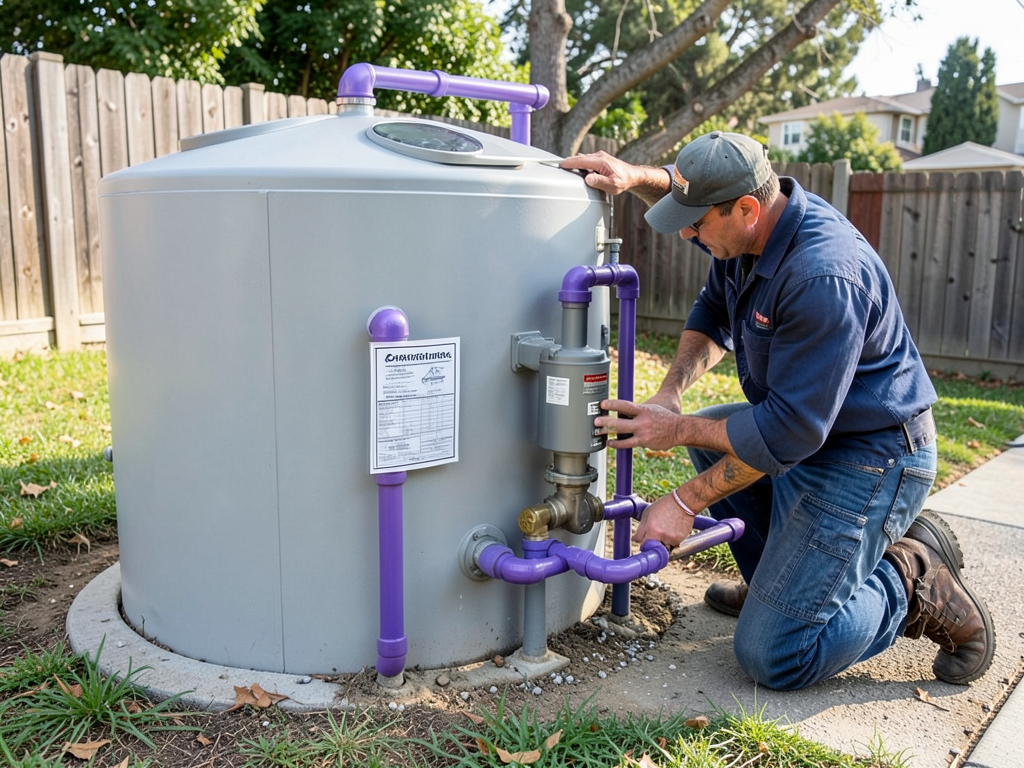
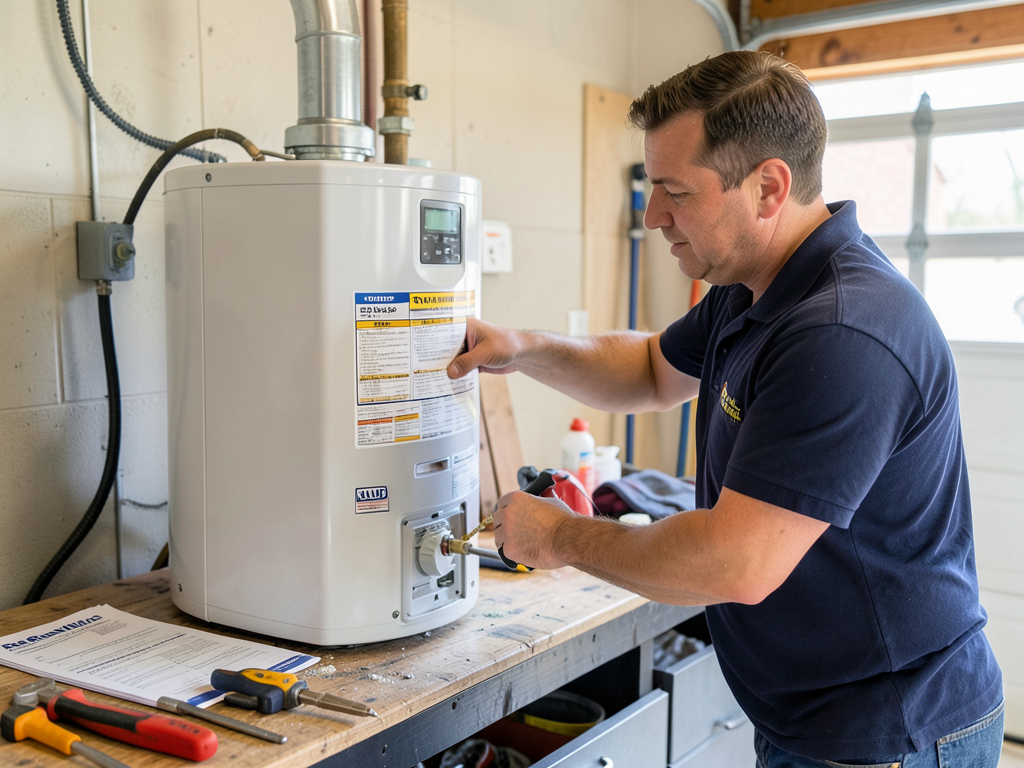
We install the softener after your main shutoff valve and before the water heater. This placement protects your entire hot water system while allowing a bypass for outdoor irrigation. We connect the drain line to your standpipe or floor drain, ensuring proper air gap to meet California Plumbing Code requirements. The salt tank sits adjacent to the resin tank. We route the brine line and set the bypass valve. Electrical connection powers the control head for automated regeneration cycles.
03

Programming and Performance Verification

We program the control valve based on your specific water hardness and household size. The system needs 48 hours to stabilize. We return to test output water hardness and confirm zero grains per gallon at all fixtures. You learn how to add salt, check brine levels, and interpret error codes. We adjust regeneration frequency if needed. Your water heater starts benefiting immediately as scale formation stops and existing deposits gradually break down.

Why Sacramento Homeowners Trust Apex Plumbing Sacramento for Water Softener Installation

Sacramento water chemistry differs from surrounding counties. Placer County and El Dorado County residents deal with different mineral profiles due to Sierra Nevada runoff. Our technicians understand how Sacramento's blend of river water and groundwater creates unique scaling patterns. We have installed hundreds of systems in neighborhoods from Pocket-Greenhaven to North Natomas, and we recognize how home age affects plumbing compatibility.

Older homes in Curtis Park and Land Park often have galvanized pipe or outdated copper that requires careful integration. We do not just bolt a softener to your wall. We evaluate your existing plumbing, identify potential weak points, and recommend pre-installation repairs when necessary. A water softener increases pressure slightly due to improved flow. If your pipes have decades of corrosion, this pressure change can expose hidden leaks. We catch these issues before installation, not after you discover water damage.

We stock commercial-grade systems designed for California water conditions. Cheap big-box softeners fail within five years. Their control valves use inferior components that cannot handle Sacramento's mineral load. We install systems with stainless steel bypass valves, reinforced resin tanks, and digital controllers backed by manufacturer support. When a part fails at 9 PM on a Saturday, we have replacements in stock. You do not wait three weeks for a mail-order component while hard water destroys your water heater.

The advantages of soft water become obvious within days. Soap lathers better. Dishes come out of the dishwasher without spots. Your skin and hair feel different because you are not rinsing with mineral-laden water. These quality-of-life improvements matter, but the real value shows up in avoided repair costs. A water heater that would fail at year eight now lasts twelve years. That four-year extension saves you $1,500 or more in replacement costs, far exceeding the softener investment.

What to Expect When You Install a Water Softener

Installation Timeline and Scheduling

Standard installation takes three to four hours. We schedule appointments in two-hour windows and call 30 minutes before arrival. Your water stays off for approximately 90 minutes while we cut into the main line and plumb the softener. We work in garages, basements, or utility rooms depending on your home layout. You need a 120V electrical outlet within six feet of the installation location and access to a drain. We haul away packaging materials. The system begins producing soft water immediately after we restore water service and complete initial programming.

Water Quality Assessment

We test your water before and after installation using laboratory-grade equipment. The pre-installation test reveals hardness level, iron content, and total dissolved solids. These numbers determine which resin type and grain capacity you need. Post-installation testing confirms the system removes minerals completely. We give you a written report showing before and after values. You see exactly how many grains per gallon we eliminated. If you have iron staining, we discuss iron filtration options that work in conjunction with your softener to address red-brown discoloration that standard ion exchange cannot remove.

Long-Term Performance and Efficiency

Your water heater efficiency improves within 30 days as existing scale gradually dissolves. Energy bills drop because heating elements transfer heat directly to water instead of fighting through mineral buildup. Appliances like dishwashers and washing machines use less detergent because soft water creates better lather. You refill the salt tank every six to eight weeks depending on usage. Each 40-pound bag costs $6 to $8 at any hardware store. The system uses approximately three gallons of water per regeneration cycle. Modern demand-initiated systems regenerate only when needed, reducing water waste by 30% compared to timer-based models.

Maintenance and System Longevity

Water softeners require minimal maintenance. You add salt and occasionally clean the brine tank to remove sediment buildup. We recommend annual service checks to inspect the control valve, test output hardness, and clean the resin bed if you have high iron content. The resin bed lasts 10 to 15 years under normal conditions. Control valves typically last 12 to 15 years. When components fail, we stock replacement parts and complete repairs within 24 hours. We maintain detailed service records for every installation, so future repairs happen faster because we know your system specifications and installation date.

Frequently Asked Questions

You Have Questions,
We Have Answers

What are the downsides of a water softener? +

Water softeners add sodium to your water during the ion exchange process, which may concern people on low-sodium diets. They also require ongoing maintenance, including regular salt refills and periodic resin bed cleaning. The discharge brine can strain septic systems if not managed correctly. In Sacramento, where water hardness averages 100-200 ppm, you will notice increased water usage during regeneration cycles and higher utility bills. Some fabrics may feel slippery after washing. You may also need to install a bypass for outdoor irrigation to avoid over-softening plants and lawns.

Does water softener have health benefits? +

Soft water reduces mineral buildup in your plumbing, which means fewer contaminants leaching from corroded pipes into your drinking water. It improves soap efficiency, leading to better hygiene and less chemical residue on your skin. For Sacramento residents with eczema or dry skin, soft water can reduce irritation caused by hard water minerals. Soft water does not remove beneficial minerals like calcium and magnesium from your diet, since most come from food, not water. If you are concerned about sodium intake, consider a potassium chloride alternative or install a reverse osmosis system for drinking water.

Is it healthier to drink hard or soft water? +

Hard water contains calcium and magnesium, which offer trace dietary minerals but contribute minimally to your daily intake. Soft water is easier on your digestive system and does not leave mineral deposits in your body. The sodium added during softening is typically low, around 12-50 mg per liter depending on hardness levels. For Sacramento residents with high blood pressure or kidney concerns, hard water may be a better choice for drinking, while soft water is ideal for bathing and cleaning. You can install a separate tap for unsoftened drinking water to balance health and convenience.

What are the signs that you need a water softener? +

You will notice white, chalky buildup on faucets, showerheads, and glassware. Your soap and shampoo will not lather well, leaving a sticky residue on your skin and hair. Appliances like water heaters and dishwashers may fail prematurely due to scale accumulation. In Sacramento, where groundwater hardness is common, you may see stiff, scratchy laundry and increased detergent use. Water spots on dishes and cloudy glasses after washing are clear indicators. If your water heater makes popping or rumbling sounds, mineral buildup is likely the cause. High utility bills from inefficient appliances also signal hard water issues.

Why are states banning water softeners? +

Some states restrict salt-based water softeners due to environmental concerns about chloride discharge into wastewater systems and groundwater. Coastal areas and regions with drought conditions, like parts of California, have implemented regulations to protect water supplies. Sacramento has not banned water softeners, but the city encourages efficient regeneration settings and potassium chloride alternatives to reduce environmental impact. Salt-free conditioners and reverse osmosis systems are compliant alternatives. Check local ordinances before installation, especially in newer developments with stricter water conservation mandates. Proper system calibration reduces brine waste and meets regulatory standards.

How long does a 40 lb bag of water softener salt last? +

A 40-pound bag of water softener salt lasts one to two months for a typical household of four in Sacramento, depending on water hardness and daily usage. If your water hardness exceeds 150 ppm, you may need more frequent refills. High-efficiency systems with demand-initiated regeneration use less salt than timer-based models. Check your brine tank monthly and refill when salt levels drop below the waterline. Using high-purity salt pellets reduces buildup and extends system life. Larger households or homes with high water consumption may require 50-pound bags or bulk salt delivery for convenience.

How Sacramento's Delta Water and Aging Infrastructure Increase the Need for Water Softeners

Sacramento pulls water from the Sacramento River and American River, both fed by Sierra Nevada snowmelt that picks up calcium carbonate as it flows through limestone geology. The Sacramento-San Joaquin Delta adds agricultural runoff and elevated mineral content. Your tap water reflects this complex source mix. Neighborhoods east of Highway 99 often receive harder water because distribution lines pull from different treatment plants. Older infrastructure in Midtown, Oak Park, and Curtis Park compounds the problem because decades-old pipes contribute additional iron and sediment. The reasons to install a water softener become urgent when you factor in how aging distribution systems accelerate scale formation inside your home plumbing.

Apex Plumbing Sacramento has worked in every neighborhood from Arden-Arcade to Willow Creek Estates. We understand which areas deal with high iron content and which struggle primarily with calcium hardness. This local knowledge matters because it determines which resin type and pre-filtration setup you need. We pull permits when required for major plumbing modifications and coordinate with city inspectors who know our work. When you call a national franchise, you get a salesperson reading from a script. When you call us, you talk to a technician who has installed 30 softeners within two miles of your house and knows exactly what your water will do to your plumbing if left untreated.
Plumbing Services in The Sacramento Area

Apex Plumbing Sacramento is proud to be a locally owned and operated business centrally located to efficiently serve the entire Sacramento region and its surrounding communities. Our strategic position ensures that we can quickly dispatch a professional technician to your home or business, especially during a plumbing emergency. Use the map below to visualize our service area or to find directions to our main office for consultations.

Address:
Apex Plumbing Sacramento, 930 G St, Sacramento, CA, 95814

Additional Services We Offer

Our news updates

Latest Articles & News from The Blogs

Finding the Right Water Heater for a Multi-Generational Home in Elk Grove Living in a multi-generational home in Elk Grove…

Finding the Right Water Heater for a Multi-Generational Home in Elk Grove

Finding the Right Water Heater for a Multi-Generational Home in Elk Grove Living in a multi-generational home in Elk Grove…

Why Your Natomas Sump Pump Needs a Battery Backup Before the Next Power Outage

Why Your Natomas Sump Pump Needs a Battery Backup Before the Next Power Outage Living in Natomas means your home…

Why Your Land Park Dog Wash Station Needs a Professional Hair Trap

Dog owners in Sacramento’s Land Park neighborhood are increasingly installing pet wash stations at home but many overlook one critical…

Contact Us

Your water heater and pipes are deteriorating right now. Every day without a water softener adds scale buildup that shortens appliance life and increases energy costs. Call Apex Plumbing Sacramento at (209) 260-0077 for same-week installation. We test your water free and provide upfront pricing with no hidden fees.