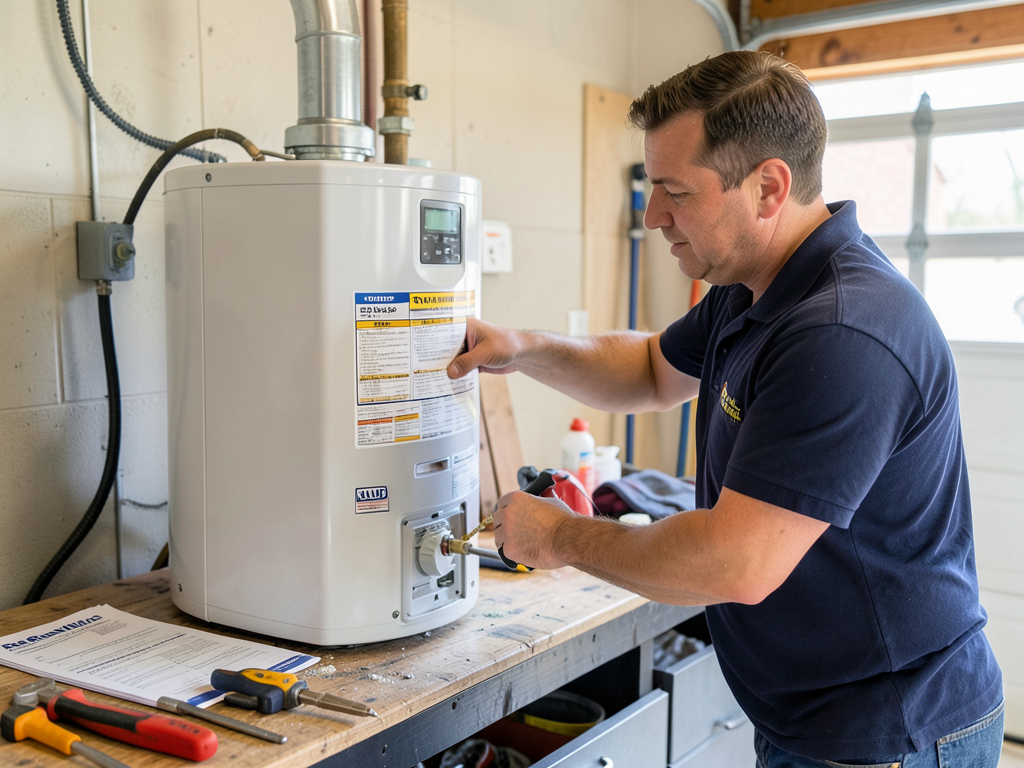








Sacramento's municipal water supply contains elevated calcium and magnesium concentrations that qualify as moderately hard to hard water throughout most service areas. This mineral content precipitates inside water heaters, reducing tank capacity and efficiency while accelerating element failure in electric units. Tankless water heaters require annual descaling to prevent flow sensor and heat exchanger damage. Faucet aerators clog within months instead of years. Showerheads lose pressure as mineral buildup restricts flow passages. The same deposits affect toilet fill valves and flapper seats, causing running toilets that waste water and increase utility bills. Understanding how much do plumbers charge 2026 for these predictable hard water repairs helps you budget for maintenance rather than facing surprise emergency costs.
The expansive clay soil underlying most of Sacramento County shrinks during dry summer months and swells when winter rains return. This seasonal movement stresses concrete slab foundations and the plumbing penetrations through them. Copper supply lines develop pinhole leaks at stress points. PEX lines chafe against sharp foundation edges. Cast iron and ABS drain lines separate at joints, causing slow leaks that damage subflooring before you notice symptoms. Neighborhoods built between 1950 and 1980, particularly in South Sacramento and Arden-Arcade, show higher incidences of slab leak claims due to original construction techniques and aging infrastructure. Local plumbers recognize these patterns and recommend preventive inspections for homes in vulnerable areas and age ranges, reducing catastrophic failure risk.