
Understanding the Critical Difference Between Sump and Sewage Ejector Pumps in Swanston Estates
Your Swanston Estates basement sits in a low-lying area where groundwater naturally collects against your foundation. The soil composition here creates a unique drainage challenge that determines whether you need a sump pump or a sewage ejector pump. Sump pumps handle clean groundwater and rainwater, while sewage ejector pumps move wastewater from basement bathrooms and laundry rooms uphill to your main sewer line. The Best Water Heater Replacement Options for North Natomas Homeowners.
The Central Valley’s expansive clay soil expands when wet and contracts when dry, creating pressure against basement walls. This pressure forces groundwater through foundation cracks, making sump pumps essential for many Swanston Estates homes. If your basement has a bathroom, laundry room, or any plumbing below grade, you need both systems working together to prevent flooding and sewage backups.. Read more about Permitting and Plumbing Requirements for a New Backyard Cottage in North Sacramento.
California Plumbing Code Section 701.3 requires proper venting for sewage ejector pumps to prevent sewer gases from entering living spaces. Sump pumps discharge through a one-and-a-half-inch pipe directly outside, while ejector pumps need a two-inch discharge line and a dedicated vent stack tied into your home’s plumbing system. The vent pipe prevents vacuum formation that could damage the pump or create gurgling sounds in nearby fixtures.
During Sacramento’s rainy season, sump pumps activate automatically when groundwater rises above the basement floor level. The float switch triggers the motor, pumping water through the discharge line to a safe distance from your foundation. Sewage ejector pumps activate when wastewater from basement fixtures reaches a certain level in the holding tank, grinding solids into smaller particles before pumping them uphill to the main sewer line. Sacramento County building permits.
The failure patterns differ significantly between these systems. Sump pumps typically fail due to power outages, float switch malfunctions, or clogged intake screens. Sewage ejector pumps fail when impellers become blocked by solid waste, when check valves wear out, or when the motor overheats from continuous operation. Both systems require different maintenance schedules and have different warning signs of impending failure.
Local building permits in Sacramento County require separate permits for each pump type. Sump pump installations need only a plumbing permit, while sewage ejector pumps require both plumbing and building permits due to the structural modifications needed for the holding tank and vent stack. The Sacramento Department of Utilities inspects ejector pump installations to ensure proper backflow prevention and venting compliance. EPA water management guidelines.
Cost considerations vary dramatically between the two systems. Sump pump installations typically range from $1,200 to $2,500 depending on basin size and pump quality. Sewage ejector pump systems cost between $3,500 and $6,000 due to the more complex installation requirements, larger holding tank, and additional plumbing modifications needed for proper venting and discharge.
Emergency backup systems become critical during Sacramento’s winter storms. Battery backup systems keep sump pumps running during power outages, preventing basement flooding when you need protection most. Sewage ejector pumps benefit less from battery backups since they only run intermittently, but water-powered backup systems can provide emergency operation during prolonged outages. Fast Emergency Plumbers in Midtown Sacramento for After Hours Repairs.
The decision between these systems depends on your specific basement layout and plumbing configuration. Homes with only groundwater issues need sump pumps. Homes with basement bathrooms, laundry rooms, or any plumbing below the main sewer line elevation require sewage ejector pumps. Many Swanston Estates homes need both systems working together for complete basement protection.
Key Differences: Function, Location, and Waste Handling
Sump pumps and sewage ejector pumps serve fundamentally different purposes despite their similar appearance. Understanding these differences helps you identify which system your basement needs and prevents costly installation mistakes.. Read more about Why Your Natomas Sump Pump Needs a Battery Backup Before the Next Power Outage.
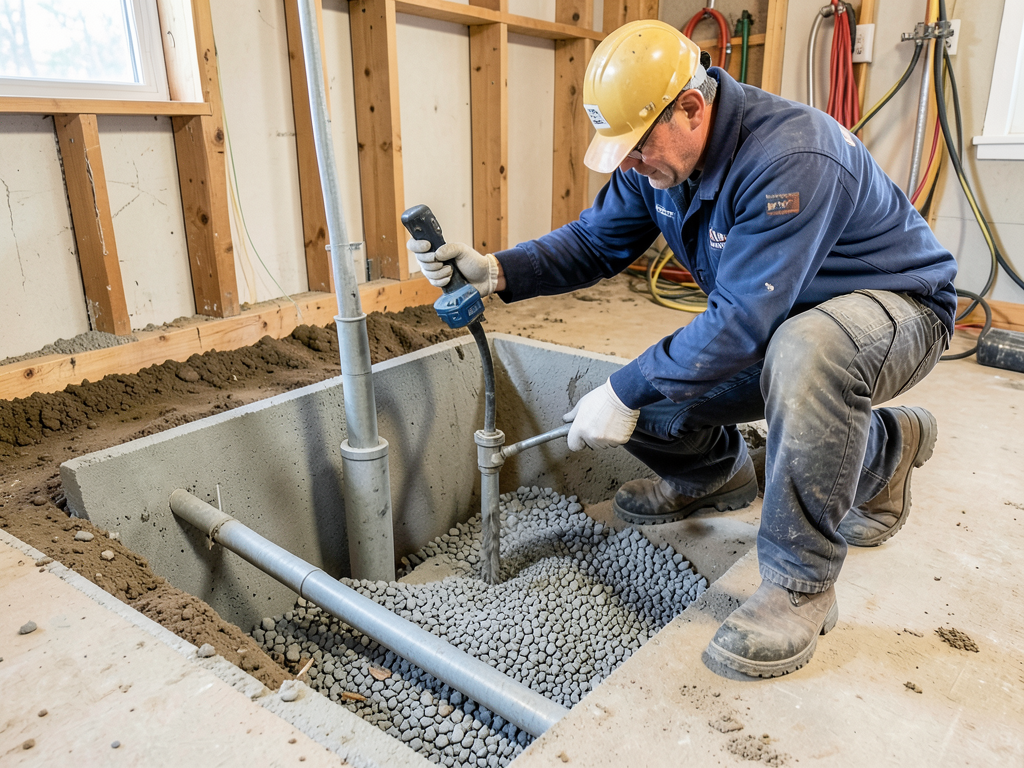
Sump pumps remove clean groundwater that accumulates around your foundation. They sit in a pit below basement floor level, activating when water rises to a specific point. The pump motor spins an impeller that pushes water through a discharge pipe away from your home. These systems handle only clean water, never wastewater or sewage.
Sewage ejector pumps handle wastewater from basement fixtures. They sit in a sealed holding tank that collects water from basement bathrooms, laundry rooms, or utility sinks. When wastewater reaches a certain level, the pump activates, grinding solid waste into smaller particles before pumping everything uphill to the main sewer line. These systems must be airtight to prevent sewer gases from escaping. How to Spot a Slab Leak in Your Land Park Home Before It Causes Serious Damage.
The discharge requirements differ significantly between the two systems. Sump pumps discharge through a one-and-a-half-inch pipe directly outside, often to a dry well or storm drain. Sewage ejector pumps require a minimum two-inch discharge pipe and must connect to the sanitary sewer system. Local codes prohibit sump pump discharge into the sewer system to prevent overloading during heavy rains.
Venting requirements create another major difference. Sump pumps typically don’t require venting since they handle clean water. Sewage ejector pumps must have a dedicated vent pipe connected to the home’s plumbing vent system. This vent prevents vacuum formation during pump operation and allows sewer gases to escape safely through the roof vent stack.
Material handling capabilities vary dramatically. Sump pumps handle only water and small debris like leaves or dirt. Sewage ejector pumps must grind solid waste, including toilet paper and human waste, into particles small enough to pass through the discharge pipe. Some ejector pumps include macerating blades that chop waste before pumping.
Installation locations differ based on function. Sump pumps install in the lowest point of your basement, often in a corner where water naturally collects. Sewage ejector pumps install near basement plumbing fixtures, typically in a utility closet or mechanical room. The holding tank for ejector pumps requires more space than a sump pit and must be accessible for maintenance.
Power requirements vary between the systems. Both typically run on standard household current, but ejector pumps often need more powerful motors due to the resistance of pumping wastewater uphill. Some larger ejector pumps require dedicated circuits to handle the startup surge when the motor activates.
Maintenance schedules differ significantly. Sump pumps need quarterly inspections to check the float switch, clean the intake screen, and test the backup battery. Sewage ejector pumps require annual professional maintenance to inspect the grinder mechanism, check valve operation, and test the alarm system that warns of tank overflow.
Failure consequences vary in severity. Sump pump failure causes basement flooding from groundwater, potentially damaging stored items and creating mold conditions. Sewage ejector pump failure causes wastewater backup into basement fixtures, creating health hazards and requiring immediate professional intervention to prevent contamination.
What is a Sump Pump? (And Why Sacramento Homes Need Them)
A sump pump is a submersible pump that removes groundwater from beneath your basement floor before it causes flooding. The system consists of a basin installed below floor level, a pump motor, a float switch that activates the pump, and a discharge pipe that carries water away from your foundation.
The basin, typically made of plastic or concrete, collects water that seeps through foundation walls or rises from the water table. When groundwater fills the basin to a specific level, the float switch activates the pump motor. The motor spins an impeller that creates suction, pulling water from the basin and pushing it through the discharge pipe.
Sump pumps activate automatically based on water level rather than a timer. This on-demand operation means the pump only runs when needed, extending motor life and reducing electricity consumption. Most residential sump pumps can move between 2,000 and 4,000 gallons per hour, sufficient for typical Sacramento rainfall patterns.
The discharge pipe carries water from the pump to a safe location away from your foundation. Local codes require discharge at least ten feet from the foundation to prevent water from simply recycling back into the basement. Some installations connect to storm drains or dry wells, while others discharge onto lawns or into street gutters. Why the Drains in Your Arden-Arcade House Keep Clogging Up.
Sump pumps come in two main types: submersible and pedestal. Submersible pumps sit entirely underwater in the basin, making them quieter and less obtrusive. Pedestal pumps have motors mounted above the basin, making them easier to service but more visible and noisier during operation.
Float switches control pump activation. Vertical float switches move up and down with water level, while tethered float switches hang from a cord. Vertical switches tend to be more reliable since they have fewer moving parts and less chance of tangling. Some modern systems use electronic water sensors instead of mechanical floats.
Check valves prevent water from flowing back into the basin after the pump shuts off. Without a check valve, water in the discharge pipe would drain back into the basin, causing the pump to cycle on and off rapidly. This cycling damages the motor and wastes electricity. Check valves should be easily accessible for maintenance and replacement.
Backup power systems become critical during Sacramento’s storm season. Battery backup systems keep pumps running during power outages, which often occur during heavy storms when you need protection most. Water-powered backup systems use municipal water pressure to operate the pump if electricity fails, though they require adequate water pressure and increase water consumption.
Maintenance involves quarterly inspections and testing. Remove the pump from the basin annually to clean the impeller and check for wear. Test the backup battery every six months and replace it every three to five years. Clean the intake screen regularly to prevent clogging that could cause pump failure during critical times.
Common failure points include stuck float switches, clogged intake screens, burned-out motors, and failed check valves. Many failures occur during the first heavy rainstorm of the season when the pump has been idle for months. Testing your system before storm season prevents discovering problems when you need protection most.
What is a Sewage Ejector Pump? (Basement Bathrooms Explained)
A sewage ejector pump handles wastewater from basement plumbing fixtures that sit below the main sewer line elevation. Unlike sump pumps that handle clean groundwater, ejector pumps process toilet waste, sink water, and laundry discharge, grinding solids before pumping everything uphill to the main sewer connection.
The system consists of a sealed holding tank, a pump with grinding capabilities, inlet pipes from basement fixtures, a discharge pipe to the sewer line, and a vent stack connected to the home’s plumbing system. The tank must be airtight to prevent sewer gases from escaping into your basement living space.
Holding tanks range from thirty to one hundred twenty gallons depending on the number of fixtures served. Larger tanks reduce pump cycling frequency but require more space and cost more to install. The tank installs below floor level, with only maintenance access covers visible above the floor surface.
Inlet pipes connect basement fixtures to the holding tank. Toilets, sinks, showers, and washing machines all drain into the tank rather than directly to the sewer line. This gravity drainage means all basement wastewater collects in the tank before the pump processes it.
The pump activates when wastewater reaches a specific level in the tank. Most systems use a piggyback float switch that plugs into a standard outlet, with the pump plugged into the switch. When water rises, the float activates the pump until the tank empties to the minimum level, then shuts off automatically.
Grinding mechanisms differ among ejector pump models. Some use impeller blades that chop solids as they pass through, while others include separate macerating chambers that grind waste before pumping. Grinder pumps handle tougher solids like feminine hygiene products and paper towels that might clog standard ejector pumps.
Vent pipes connect the holding tank to the home’s plumbing vent system. This vent prevents vacuum formation during pump operation and allows sewer gases to escape through the roof vent stack. Local codes require specific vent pipe sizing and installation methods to ensure proper operation and prevent gas infiltration.
Discharge pipes carry processed wastewater from the pump to the main sewer line. These pipes must be at least two inches in diameter to handle the volume and prevent clogging. The discharge line includes a check valve to prevent backflow into the tank when the pump shuts off.
Alarm systems warn of tank overflow conditions. Most ejector pump systems include a high-level alarm that activates when water reaches a level above normal pump activation. This alarm typically sounds a buzzer and may send alerts to your smartphone if connected to a smart home system.
Professional installation requires building permits and inspections. Sacramento County requires both plumbing and building permits for ejector pump installations due to the structural modifications needed for the holding tank and vent connections. The Sacramento Department of Utilities inspects installations to ensure proper backflow prevention and venting compliance.
Maintenance involves annual professional servicing to inspect the grinder mechanism, test the alarm system, check valve operation, and clean the tank. Homeowners should listen for unusual noises during pump operation and watch for slow drainage from basement fixtures, which may indicate pump problems requiring immediate attention.
Side-by-Side Comparison: Sump vs. Sewage Ejector
Understanding the technical differences between sump pumps and sewage ejector pumps helps you identify which system your basement needs. The following comparison highlights the key distinctions in function, installation, and maintenance requirements.
| Feature | Sump Pump | Sewage Ejector Pump |
|---|---|---|
| Primary Function | Remove clean groundwater | Pump wastewater uphill |
| Waste Type | Clean water only | Toilet waste, gray water |
| Discharge Pipe Size | 1.5 inches | 2 inches minimum |
| Venting Required | No | Yes, dedicated vent stack |
| Solids Handling | None | Grinds solids to 2mm |
| Basin Type | Open collection pit | Sealed holding tank |
| Permit Required | Plumbing only | Plumbing + building |
| Typical Cost | $1,200 – $2,500 | $3,500 – $6,000 |
| Lifespan | 7-10 years | 7-10 years |
| Backup Power | Recommended | Optional |
Installation complexity varies significantly between the two systems. Sump pump installation typically takes one day and involves cutting a hole in the basement floor, installing the basin, connecting the discharge pipe, and running electrical power. Sewage ejector pump installation requires excavation for the holding tank, breaking up more floor area, installing the vent stack through the roof, and connecting multiple fixture drains to the tank.
Maintenance requirements differ substantially. Sump pumps need quarterly testing and annual deep cleaning. The float switch requires checking for free movement, the intake screen needs cleaning to prevent clogging, and the backup battery needs testing every six months. Sewage ejector pumps need annual professional maintenance to inspect the grinder mechanism, test the alarm system, and check valve operation.
Failure consequences vary in severity. Sump pump failure causes basement flooding from groundwater, potentially damaging stored items and creating mold conditions. This damage typically affects only items stored in the basement and may be covered by insurance if proper maintenance was performed. Sewage ejector pump failure causes wastewater backup into basement fixtures, creating immediate health hazards and requiring emergency service to prevent contamination of living spaces.
Energy consumption patterns differ between the systems. Sump pumps typically use less electricity since they only run during wet conditions. A typical sump pump might run for a few minutes several times per day during rainy seasons. Sewage ejector pumps use more power due to their larger motors but run less frequently since they only activate when basement fixtures are used.
Noise levels vary significantly. Sump pumps operate relatively quietly since they handle only water and don’t require grinding mechanisms. Sewage ejector pumps produce more noise during operation due to the grinding process and the larger motor required to pump wastewater uphill against gravity. The noise typically lasts only 30-60 seconds during each pumping cycle.
Space requirements differ substantially. Sump pumps need only a small pit, typically 18-24 inches in diameter and 24-36 inches deep. Sewage ejector pumps require a much larger holding tank, often 30-36 inches in diameter and 48-60 inches deep, plus space for maintenance access and the vent stack penetration through the roof.
Local code compliance creates different requirements. Sump pumps must discharge to appropriate locations and cannot connect to the sanitary sewer system. Sewage ejector pumps must meet specific venting requirements, include backflow prevention devices, and pass inspections from both the building department and the local utilities district.
Sacramento Specifics: Local Building Codes and Flood Risks
Sacramento’s unique geography and building regulations create specific requirements for basement drainage systems. The Central Valley’s high water table, combined with local building codes, determines which pump systems work best for Swanston Estates homes.
California Plumbing Code Section 701.3 mandates specific venting requirements for sewage ejector pumps. The code requires a minimum two-inch vent pipe connected to the home’s plumbing vent system, preventing vacuum formation during pump operation and allowing sewer gases to escape safely through the roof. Improper venting can cause pump damage and create health hazards from gas infiltration.
Sacramento County requires plumbing permits for all sump pump installations and both plumbing and building permits for sewage ejector pumps. The building permit covers structural modifications needed for holding tank installation and vent stack penetration through the roof. The Sacramento Department of Utilities inspects ejector pump installations to ensure proper backflow prevention and connection to the sanitary sewer system.
Local flood risks in Swanston Estates stem from the area’s low elevation and proximity to drainage channels. The soil composition includes heavy clay that expands when wet, creating pressure against foundation walls and forcing groundwater through even small cracks. This expansive soil characteristic makes sump pumps essential for many homes, regardless of whether they have basement plumbing fixtures.
Regional rainfall patterns affect pump sizing requirements. Sacramento receives most rainfall between November and March, with occasional heavy storms dropping several inches in 24 hours. Sump pumps must handle these peak flows, typically requiring capacity of at least 2,400 gallons per hour for average-sized basements in the area.
Power outage considerations become critical during Sacramento’s storm season. Heavy rains often coincide with wind storms that cause widespread power outages. Battery backup systems keep sump pumps running during these outages, preventing basement flooding when protection is most needed. Water-powered backup systems provide an alternative but require adequate municipal water pressure.
Soil conditions in Swanston Estates create unique drainage challenges. The area’s clay soil has low permeability, meaning water doesn’t drain away quickly after heavy rains. This creates prolonged periods of high groundwater pressure against foundations, requiring sump pumps to run more frequently than in areas with sandy or loamy soils.
Foundation construction methods affect pump system requirements. Many Swanston Estates homes built in the 1970s and 1980s used concrete block foundations that are more susceptible to water infiltration than modern poured concrete walls. These older foundations often require more aggressive drainage solutions, including both interior and exterior French drains connected to sump pump systems.
Local building practices influence pump system design. Sacramento builders typically install sump pumps in the northeast corner of basements where water naturally collects. This placement takes advantage of the area’s predominant weather patterns and the way water moves across basement floors during heavy rains.
Insurance considerations affect pump system requirements. Many insurance companies offer premium discounts for homes with properly installed and maintained sump pump systems. Some policies require specific pump capacity or backup power systems to maintain coverage for basement water damage.
Property values reflect drainage system quality. Homes with well-designed pump systems and proper moisture barriers typically sell for more than comparable homes with known drainage issues. Buyers in Swanston Estates often ask about pump system age, maintenance history, and backup power capabilities during home inspections.
Signs You Need to Replace Your Pump
Recognizing the warning signs of pump failure helps you replace systems before catastrophic flooding occurs. Different symptoms indicate problems with sump pumps versus sewage ejector pumps, but both require immediate attention when warning signs appear.
Sump pump failure often begins with unusual noises during operation. Grinding sounds indicate worn bearings or debris in the impeller. Clicking sounds suggest a failing float switch that may not activate the pump when needed. Loud banging when the pump shuts off indicates water hammer, which can damage pipes and the pump motor over time.
Frequent cycling indicates problems with either pump type. Sump pumps that turn on and off rapidly may have a stuck float switch or a check valve that allows water to flow back into the basin. Sewage ejector pumps that cycle frequently may have a tank that’s too small for the load or a float switch that needs adjustment.
Visible rust or corrosion on pump components signals age-related deterioration. Metal parts exposed to moisture eventually corrode, weakening structural integrity and causing premature failure. Plastic components may become brittle and crack over time, especially in areas with extreme temperature variations like Sacramento’s hot summers and cool winters.
Reduced pumping capacity shows as water levels rising more slowly than usual or not dropping completely between pump cycles. This reduction often results from worn impellers, clogged discharge pipes, or motors that can’t generate sufficient power. Reduced capacity becomes dangerous during heavy rains when maximum pumping speed is essential.
Age serves as a primary indicator for replacement. Most pumps last seven to ten years with proper maintenance, though heavy use or poor water quality may shorten lifespan. If your pump is approaching or exceeding this age range, replacement before failure prevents emergency service calls and potential water damage.
Electrical problems manifest as pumps that won’t start, run intermittently, or shut off unexpectedly. These issues may stem from faulty switches, damaged power cords, or motor failure. Electrical problems pose fire hazards and require immediate professional attention rather than DIY troubleshooting.
Sewage ejector pumps show unique warning signs. Slow drainage from basement fixtures indicates the pump isn’t keeping up with wastewater volume. Gurgling sounds in nearby drains suggest vent pipe problems that can cause pump damage and sewer gas infiltration. Foul odors from the holding tank indicate seal failures or vent problems.
Alarm system failures in ejector pumps remove critical warning capabilities. High-level alarms that don’t sound when the tank fills above normal operating levels leave you unaware of potential overflow conditions. Test alarm systems quarterly by lifting the float switch to ensure they activate properly.
Physical damage to pump components requires immediate replacement. Cracked housings, broken mounts, or damaged impellers compromise pump operation and may fail completely during the next heavy use period. Even minor damage can worsen quickly, especially in systems that run frequently during wet seasons.
Performance testing reveals problems before catastrophic failure. Pour water into sump pits to verify pump activation and discharge capacity. For ejector pumps, verify that all connected fixtures drain properly and that the pump activates within reasonable time after use. Professional testing can measure actual flow rates and identify developing problems.
Replacement timing affects overall costs significantly. Emergency replacement during active flooding situations costs more due to after-hours service calls and rushed material procurement. Planned replacement during dry seasons allows for proper system design, permit acquisition, and installation without weather pressure or time constraints.
Cost Comparison for Installation in Northern California
Installation costs for pump systems vary significantly based on system type, installation complexity, and local market conditions in the Sacramento area. Understanding these cost factors helps you budget appropriately and avoid unexpected expenses during pump replacement or new installation.
Sump pump installation costs typically range from $1,200 to $2,500 for basic systems in Sacramento. This price includes the pump, basin, discharge pipe, electrical connections, and basic testing. Factors that increase costs include larger basins for bigger basements, longer discharge pipe runs, and battery backup systems that add $500 to $1,000 to the total.
Sewage ejector pump installations cost substantially more, typically ranging from $3,500 to $6,000. The higher cost reflects the sealed holding tank, larger discharge pipes, dedicated vent stack installation through the roof, and more complex plumbing connections. Additional costs may include floor demolition and repair, which can add $1,000 to $2,000 depending on finished floor materials.
Permit costs vary by jurisdiction but typically add $100 to $300 to installation costs. Sacramento County requires both plumbing and building permits for ejector pump installations, while sump pumps need only plumbing permits. Permit fees may seem like an unnecessary expense, but they ensure proper installation and protect you from liability issues.
Emergency installation services cost significantly more than scheduled installations. After-hours service calls typically add 50% to 100% to standard labor rates. Weekend and holiday service can double or triple normal rates. Planning installations during regular business hours can save hundreds of dollars in labor costs.
Material quality affects both initial costs and long-term reliability. Premium pumps from manufacturers like Zoeller, Wayne, or Liberty typically cost 20% to 30% more than economy brands but offer better warranties, longer lifespans, and more reliable operation. The additional upfront cost often pays for itself through reduced maintenance and replacement frequency.
Backup power systems represent a significant additional expense but provide crucial protection during power outages. Battery backup systems for sump pumps cost $500 to $1,000 installed, while water-powered backup systems cost $400 to $800 but require adequate municipal water pressure and increase water consumption during operation.
Floor repair costs vary dramatically based on existing finishes. Removing and replacing carpeting adds minimal cost since it’s easy to reinstall. Tile, hardwood, or stained concrete floors require careful removal and precise reinstallation, potentially adding $1,000 to $3,000 to the total project cost.
Accessibility factors affect installation complexity and cost. Basements with limited access for equipment and materials may require smaller equipment or additional labor to transport materials. Finished basements require more careful demolition and protection of existing finishes, increasing labor time and costs.
Warranty considerations affect long-term ownership costs. Premium installations often include extended warranties on both parts and labor, typically adding $200 to $500 to initial costs but providing protection against early failures. Some manufacturers offer rebates on premium pumps that can offset warranty costs.
Maintenance agreements represent ongoing costs that affect total ownership expense. Annual maintenance contracts typically cost $150 to $300 per year and include system testing, cleaning, and priority service during emergencies. These agreements often pay for themselves through early problem detection and discounted repair rates.
Insurance implications affect both installation choices and ongoing costs. Some insurance companies offer premium discounts for homes with properly installed pump systems, potentially saving $50 to $150 annually. However, some policies require specific pump capacity or backup power systems to maintain coverage for basement water damage.
Frequently Asked Questions
Can I install a sump pump myself to save money?
DIY sump pump installation is possible but risky for homeowners without plumbing experience. While the basic concept seems simple, proper installation requires understanding local codes, electrical requirements, and drainage principles. Mistakes can cause flooding, electrical hazards, or code violations that cost more to fix than professional installation. Sacramento County requires permits for all sump pump installations, and DIY work may void insurance coverage for water damage.
How do I know if my basement needs both a sump pump and a sewage ejector pump?
Your basement needs both systems if it has plumbing fixtures below the main sewer line elevation AND experiences groundwater infiltration. The sump pump handles clean groundwater that seeps through foundation walls, while the sewage ejector pump processes wastewater from basement bathrooms and laundry rooms. Many Swanston Estates homes require both due to the area’s high water table and common basement bathroom installations.
What size pump do I need for my basement?
Pump sizing depends on basement square footage, soil conditions, and fixture load. For sump pumps, calculate one-third horsepower for every 1,000 square feet of basement space, plus additional capacity for poor drainage conditions. Sewage ejector pumps require one-third to one-half horsepower per bathroom, plus capacity for other fixtures. Local building codes may specify minimum sizes based on fixture units.
How often should I test my pump systems?
Test sump pumps quarterly by pouring water into the basin to verify activation and discharge. Check the backup battery every six months and replace it every three to five years. Sewage ejector pumps need annual professional maintenance to inspect the grinder mechanism, test the alarm system, and check valve operation. Quarterly visual inspections help identify developing problems before they cause failures.
Can a sump pump handle sewage if my ejector pump fails?
Never connect a sump pump to handle sewage. Sump pumps lack the sealing, grinding capabilities, and venting required for wastewater. Attempting to use a sump pump for sewage will cause immediate pump failure, create health hazards from sewer gas infiltration, and likely violate local plumbing codes. If your ejector pump fails, shut off basement plumbing fixtures and call a professional immediately.
What’s the difference between a grinder pump and a sewage ejector pump?
Grinder pumps include macerating blades that chop solid waste into smaller particles before pumping, while standard ejector pumps use impeller blades that grind waste as it passes through. Grinder pumps handle tougher solids like feminine hygiene products and paper towels that might clog standard ejector pumps. They cost more but provide better protection against blockages in homes with heavy waste loads.
Protect Your Swanston Estates Home with the Right Pump System
Understanding the critical differences between sump pumps and sewage ejector pumps helps you make informed decisions about your basement drainage needs. Sump pumps protect against groundwater flooding, while sewage ejector pumps handle wastewater from basement plumbing fixtures. Many Swanston Estates homes need both systems working together to prevent water damage and sewage backups.
California Plumbing Code requirements, local soil conditions, and Sacramento’s rainy season patterns all influence which pump systems work best for your home. The area’s expansive clay soil creates unique drainage challenges that make proper pump selection and installation essential for protecting your basement and foundation. Protecting Your Pocket-Greenhaven Home from Flooding with a New Sump Pump.
Don’t wait for pump failure to discover you have the wrong system or inadequate capacity. Professional assessment can identify your specific needs and recommend the right combination of sump and ejector pumps for complete basement protection. Proper installation with appropriate permits ensures code compliance and protects your investment.
Regular maintenance prevents most pump failures and extends system life. Quarterly testing of sump pumps and annual professional maintenance of sewage ejector pumps catch developing problems before they cause flooding or sewage backups. Backup power systems provide crucial protection during Sacramento’s storm season when power outages often coincide with heavy rains.
Your basement’s protection depends on having the right pump systems properly installed and maintained. Whether you need a new installation, replacement of aging equipment, or emergency repairs, professional service ensures your home stays dry and your family stays safe from water damage and sewage hazards.
Call (209) 260-0077 today to schedule your pump system assessment. Our experienced technicians will evaluate your specific needs, explain your options, and provide upfront pricing for installation or replacement. Don’t risk basement flooding or sewage backups – get professional help now before the next storm hits.
Pick up the phone and call (209) 260-0077 before the next heavy rain tests your current pump system. We serve Swanston Estates and all surrounding Sacramento communities with emergency pump services, new installations, and preventative maintenance to keep your basement dry year-round.
You may also find this helpful. How to Prepare Your Little Pocket Home for Flood Season Beyond Just Sandbags.
{
“@context”: “https://schema.org”,
“@type”: “BlogPosting”,
“headline”: “Sump Pumps vs Sewage Ejector Pumps — Which One Does Your Swanston Estates Basement Actually Need?”,
“description”: “Confused about sump pumps vs sewage ejector pumps? Learn the key differences, local Sacramento codes, and which system your Swanston Estates basement needs to prevent flooding.”,
“wordCount”: 5169,
“datePublished”: “2026-04-27T09:53:00.000Z”,
“dateModified”: “2026-04-27T09:53:00.000Z”,
“inLanguage”: “en-US”,
“mainEntityOfPage”: {
“@type”: “WebPage”,
“@id”: “https://apexplumbingsacramento.com”
},
“publisher”: {
“@type”: “LocalBusiness”,
“name”: “Apex Plumbing Sacramento”,
“url”: “https://apexplumbingsacramento.com”
},
“author”: {
“@type”: “Organization”,
“name”: “Apex Plumbing Sacramento”,
“url”: “https://apexplumbingsacramento.com”
},
“image”: {
“@type”: “ImageObject”,
“url”: “https://apexplumbingsacramento.com/wp-content/uploads/2026/03/sump-pumps-vs-sewage-ejector-pumps-which-one-does-1.png”
}
}
{
“@context”: “https://schema.org”,
“@type”: “Plumber”,
“name”: “Apex Plumbing Sacramento”,
“url”: “https://apexplumbingsacramento.com”,
“address”: {
“@type”: “PostalAddress”,
“addressLocality”: “Sacramento”
},
“areaServed”: {
“@type”: “City”,
“name”: “Sacramento”
}
}
{
“@context”: “https://schema.org”,
“@type”: “FAQPage”,
“mainEntity”: [
{
“@type”: “Question”,
“name”: “Can I install a sump pump myself to save money?”,
“acceptedAnswer”: {
“@type”: “Answer”,
“text”: “DIY sump pump installation is possible but risky for homeowners without plumbing experience. While the basic concept seems simple, proper installation requires understanding local codes, electrical requirements, and drainage principles. Mistakes can cause flooding, electrical hazards, or code violations that cost more to fix than professional installation. Sacramento County requires permits for all sump pump installations, and DIY work may void insurance coverage for water damage.”
}
},
{
“@type”: “Question”,
“name”: “How do I know if my basement needs both a sump pump and a sewage ejector pump?”,
“acceptedAnswer”: {
“@type”: “Answer”,
“text”: “Your basement needs both systems if it has plumbing fixtures below the main sewer line elevation AND experiences groundwater infiltration. The sump pump handles clean groundwater that seeps through foundation walls, while the sewage ejector pump processes wastewater from basement bathrooms and laundry rooms. Many Swanston Estates homes require both due to the area’s high water table and common basement bathroom installations.”
}
},
{
“@type”: “Question”,
“name”: “What size pump do I need for my basement?”,
“acceptedAnswer”: {
“@type”: “Answer”,
“text”: “Pump sizing depends on basement square footage, soil conditions, and fixture load. For sump pumps, calculate one-third horsepower for every 1,000 square feet of basement space, plus additional capacity for poor drainage conditions. Sewage ejector pumps require one-third to one-half horsepower per bathroom, plus capacity for other fixtures. Local building codes may specify minimum sizes based on fixture units.”
}
},
{
“@type”: “Question”,
“name”: “How often should I test my pump systems?”,
“acceptedAnswer”: {
“@type”: “Answer”,
“text”: “Test sump pumps quarterly by pouring water into the basin to verify activation and discharge. Check the backup battery every six months and replace it every three to five years. Sewage ejector pumps need annual professional maintenance to inspect the grinder mechanism, test the alarm system, and check valve operation. Quarterly visual inspections help identify developing problems before they cause failures.”
}
},
{
“@type”: “Question”,
“name”: “Can a sump pump handle sewage if my ejector pump fails?”,
“acceptedAnswer”: {
“@type”: “Answer”,
“text”: “Never connect a sump pump to handle sewage. Sump pumps lack the sealing, grinding capabilities, and venting required for wastewater. Attempting to use a sump pump for sewage will cause immediate pump failure, create health hazards from sewer gas infiltration, and likely violate local plumbing codes. If your ejector pump fails, shut off basement plumbing fixtures and call a professional immediately.”
}
},
{
“@type”: “Question”,
“name”: “What’s the difference between a grinder pump and a sewage ejector pump?”,
“acceptedAnswer”: {
“@type”: “Answer”,
“text”: “Grinder pumps include macerating blades that chop solid waste into smaller particles before pumping, while standard ejector pumps use impeller blades that grind waste as it passes through. Grinder pumps handle tougher solids like feminine hygiene products and paper towels that might clog standard ejector pumps. They cost more but provide better protection against blockages in homes with heavy waste loads.”
}
}
]
}
{
“@context”: “https://schema.org”,
“@type”: “BreadcrumbList”,
“itemListElement”: [
{
“@type”: “ListItem”,
“position”: 1,
“name”: “Home”,
“item”: “https://apexplumbingsacramento.com”
},
{
“@type”: “ListItem”,
“position”: 2,
“name”: “Blog”,
“item”: “https://apexplumbingsacramento.com/blog”
},
{
“@type”: “ListItem”,
“position”: 3,
“name”: “Sump Pumps vs Sewage Ejector Pumps — Which One Does Your Swanston Estates Basement Actually Need?”
}
]
}
{
“@context”: “https://schema.org”,
“@type”: “Service”,
“serviceType”: “Plumbing”,
“provider”: {
“@type”: “LocalBusiness”,
“name”: “Apex Plumbing Sacramento”,
“url”: “https://apexplumbingsacramento.com”
},
“areaServed”: {
“@type”: “City”,
“name”: “Sacramento”
},
“description”: “Confused about sump pumps vs sewage ejector pumps? Learn the key differences, local Sacramento codes, and which system your Swanston Estates basement needs to prevent flooding.”
}